
A stone processing factory cable supplier should treat water and slurry systems as production infrastructure. Saws and polishers cannot maintain output when pumps, settling, filtration or crane handling is unavailable.
Wet abrasive routes also differ from ordinary indoor areas, so the project should use precise zone boundaries and equipment identities.
This guide begins with a cable-scope audit, then compares capacity choices and wet-process warning signs.

Pre-order audit for stone processing factory production coverage
Confirm that the proposed scope follows one product through every high-consequence handoff.
- Block, slab, line and finish identities share one production path.
- Wet abrasive, pump-room and ordinary routes are separated.
- Cranes and shared water systems show every dependent machine.
- Slab dimensions and finish ranges are documented.
- Inspection, packing and final revisions preserve traceability.
The audit exposes missing shared systems and final-release loads before approval.
Compare three stone processing factory capacity choices
Select the option that removes the measured queue in accepted products.
Add cutting capacity
Best fit: plants waiting for slabs Handling and water recovery must have margin.
Expand polishing lines
Best fit: plants constrained by surface finishing Water quality and inspection must remain balanced.
Upgrade closed-loop water systems
Best fit: plants with several wet lines losing availability Flow, solids, pumps and standby need approved data.
The cable package should support the verified choice and its shared-system consequences.
Follow a stone block through wet cutting and finished inspection
A useful stone processing factory cable supplier begins with block receiving, primary sawing, slab handling, calibration, grinding, polishing, edge processing, water recovery, inspection and packing. The cable schedule should connect each group with production flow, process stability or final release before buyers compare construction and commercial terms.
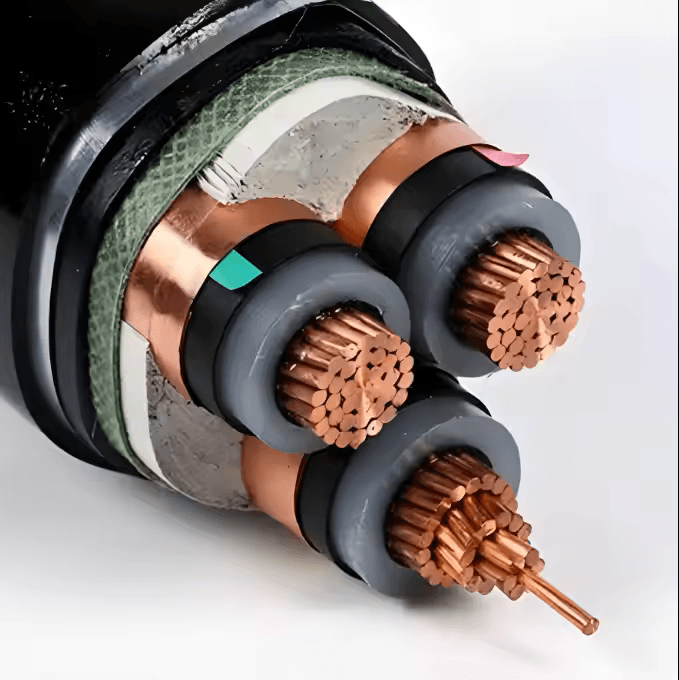
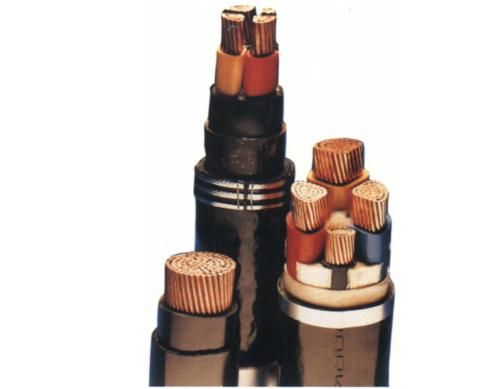
A stone cutting machine cable serves high-duty saws, travel systems and pumps in wet abrasive conditions with heavy material handling.
A stone polishing line cable and slurry water treatment cable support continuous surface finishing and water recovery that can limit every production line at once.
Scenario: faster saws overload slurry recovery
Situation: A factory installs high-output block saws for large-format slabs.
Finding: Cutting improves, but slurry solids, settling capacity and polishing water quality reduce downstream availability.
Decision: The buyer upgrades shared water-system cable groups and records the approved peak-flow basis.
Expected result: The new saws increase finished graded slabs instead of unstable wet-process load.
Cost drivers beyond connected load in stone processing factory production
The following operating details can change construction, quantity, route, delivery grouping and commissioning effort.
| Cost driver | Project impact | Control before ordering |
|---|---|---|
| Block and slab handling | Weight, dimensions and crane access | Approved layouts and handling duty |
| Primary cutting | Saw load, water and cycle time | Machine data and wet zones |
| Grinding and polishing | Line speed and surface quality | Heads, drives and product range |
| Water and slurry systems | Shared pumps, settling and filtration | Served lines and standby |
| Inspection and packing | Finish grades and slab protection | Stations, identities and dispatch flow |
Document these drivers before comparing unit prices or accepting exclusions.
stone processing factory production gates and cable evidence
This table follows material through the areas that create accepted finished stone pieces. It prevents a large upstream load from hiding a smaller downstream constraint.
| Area | Production constraint | Evidence for the cable scope |
|---|---|---|
| Block and slab handling | Weight, dimensions and crane access | Approved layouts and handling duty |
| Primary cutting | Saw load, water and cycle time | Machine data and wet zones |
| Grinding and polishing | Line speed and surface quality | Heads, drives and product range |
| Water and slurry systems | Shared pumps, settling and filtration | Served lines and standby |
| Inspection and packing | Finish grades and slab protection | Stations, identities and dispatch flow |
Priority should follow production consequence, route conditions and approved operating duty rather than connected load alone.
Warning signs in a stone processing factory cable offer
These omissions usually mean that the quotation cannot be traced to complete production and release.
Red flag: Cutting stops when polishing is idle
Why it matters: shared water systems connect the lines Better requirement: Map pumps and served equipment.
Red flag: Slabs queue beside cranes
Why it matters: handling coverage is limiting Better requirement: Measure moves and bay occupancy.
Red flag: Water quality falls during peak output
Why it matters: settling or filtration is limiting Better requirement: Review flow and solids loading.
Red flag: Finished slabs wait for grading
Why it matters: inspection or packing is limiting Better requirement: Define grades and station capacity.
Correcting the warning signs improves price comparison, installation planning and later maintenance.
RFQ details for stone cutting and water recovery
The inquiry should describe products, wet lines and shared utilities.
- System voltage and frequency
- Load or cable schedule
- Motor ratings and starting method
- Route length and installation method
- Actual wet, dusty, hot, outdoor or mechanical conditions
- Required conductor, insulation, sheath and armor details
- Destination, delivery stages and required records
- stone types, block weights and slab dimensions
- saws, handling and crane coverage
- grinding and polishing lines
- pumps, settling, filtration and drainage
- inspection grades, packing and records
For stone processing factory projects, references such as IEC 60502, IEC 60228 and IEC 60332 can help both sides use consistent terminology. They do not replace the approved specification or the buyer's responsibility to confirm the design.
How JINCHUAN Cable supports stone processing factory decisions
For stone fabricators, process engineers and workshop project teams evaluating the stone processing factory cable supplier, JINCHUAN Cable can review heavy-handling, wet-abrasive and shared water-system cable groups against buyer-approved stone production data.
The response can clarify construction and route assumptions while lifting, water treatment and machine safety remain with responsible specialists.
Buyers can review JINCHUAN Cable products and learn more about the JINCHUAN Cable company. Share the project purpose, critical loads, route conditions, quantities, destination and expected records to create a stronger basis for technical and commercial comparison.
Send the stone line and water-recovery map to obtain a quotation aligned with graded slab output.
FAQ
What should buyers expect from a stone processing factory cable supplier?
Buyers should expect the proposal to connect cable construction with heavy slabs, wet cutting, abrasive slurry, pumps, polishing lines, water treatment and product traceability, not merely repeat conductor sizes from a schedule.
Which part of the stone processing factory should be mapped first?
Start with block receiving, primary sawing, slab handling, calibration, grinding, polishing, edge processing, water recovery, inspection and packing. This shows which supporting loads can interrupt more than one production stage.
How should quotations for the stone processing factory be compared?
Compare the stated route assumptions, operating duty, included records, delivery grouping and exclusions beside price. That exposes scope differences before approval.
Which route conditions matter in a stone processing factory?
The inquiry should distinguish heavy block yards, crane-covered saw areas, wet cutting cells, abrasive slurry routes, polishing lines, pump rooms, settling systems and packing zones. Broad labels such as indoor or industrial are rarely precise enough for a useful review.
What hidden risk deserves attention in this project?
A common hidden risk is adding saws or polishing heads while water recovery, slurry removal, crane access or inspection remains constrained. Its production consequence may be greater than the connected load suggests.
Should future changes be discussed before ordering?
Yes. larger slabs, engineered stone, more automated polishing, closed-loop water systems and digital inspection can affect route capacity, circuit names, distribution space and the value of today's approval records.
Which records help after installation?
Useful records include block, saw, line, pump, water-system and inspection identities, slab ranges, wet zones and as-built revisions. They help receiving, installation and maintenance teams connect each cable with its purpose.
Which technical references may support the discussion?
IEC 60502, IEC 60228 and IEC 60332 may provide common terminology, while the approved project specification remains the final design basis.
What should be sent with the first RFQ?
Send the cable or load schedule plus project details such as stone types, block weights and slab dimensions, saws, handling and crane coverage, grinding and polishing lines, pumps, settling, filtration and drainage, inspection grades, packing and records. Clear inputs allow suppliers to identify assumptions instead of guessing.
How can JINCHUAN Cable support the stone processing factory?
JINCHUAN Cable can review the schedule, routes, operating conditions, quantities and required records against the result the buyer needs to protect: stable block cutting, controlled slab handling, consistent polishing, reliable water recovery and accurate final inspection.