
Buyer takeaway: a 0.6/1kV low voltage armored copper cable is often a volume purchase, so small specification mistakes can multiply across many drums. The most important decision is not simply “copper or not,” but whether the cable structure matches the distribution route, protection level and inspection requirement.
Factories, commercial buildings, water treatment plants, logistics parks and infrastructure projects use low-voltage armored cable in different ways. Some routes need protection from accidental impact. Some need flexible installation in trays. Some need flame performance for indoor safety. JINCHUAN treats the RFQ as a project review rather than only a price request.
What this cable is usually used for
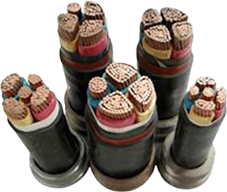
A 0.6/1kV low voltage armored copper cable is commonly used between transformers, distribution cabinets, motor control centers, pumps, machines, building panels and outdoor equipment. Copper is selected when the buyer values conductivity, compact sizing, termination reliability and long-term performance in a demanding electrical system.
Specification decisions that change the result
| Decision | Why it matters | What to send in RFQ |
|---|---|---|
| Conductor size | Affects current capacity, voltage drop and cost | Cross-section, load, route length and installation method |
| Insulation | Affects thermal and electrical performance | PVC or XLPE preference and operating temperature |
| Armor | Controls mechanical protection | Direct burial, tray, duct or exposed route |
| Sheath | Controls environment and fire behavior | PVC, PE, LSZH or flame-retardant requirement |
Common purchasing mistake
The cheapest offer may remove details that the buyer actually needs: conductor class, insulation compound, sheath marking, armor type, test report or packaging quality. When comparing offers for a 0.6/1kV low voltage armored copper cable, procurement teams should ask suppliers to quote against the same datasheet and documentation list.
Quality and inspection
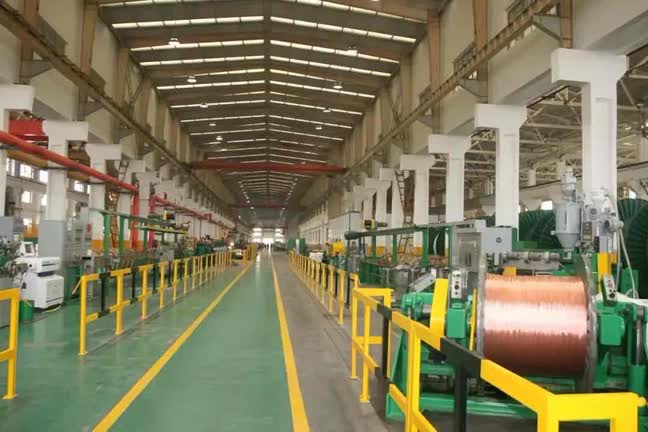
Low-voltage cable should still be inspected carefully. Useful checks include conductor resistance, insulation thickness, sheath thickness, voltage test, appearance, marking and drum condition. For export orders, packing photos and cable labels help the buyer match drums to the project schedule after arrival.
Conversion-focused RFQ checklist
- Voltage grade and cable type.
- Number of cores and conductor cross-section.
- Conductor material and conductor class.
- Insulation and sheath material.
- Armor requirement and installation route.
- Quantity, drum length and destination.
- Required certificates, test reports and language of documents.
Buyers can compare related structures through JINCHUAN power cable products. If the route has fire safety requirements, read the flame retardant and fire resistant power cable guide before finalizing the sheath.
Product positioning for industrial distribution
A 0.6/1kV low voltage armored copper cable is often used in the final power distribution layer of a project. Because quantities can be large, the buyer's mistake is also multiplied. A one-line price comparison may miss conductor class, insulation material, armor type, sheath compound, marking and inspection documents.
Where it creates the most value
The cable is valuable where the route faces mechanical damage or where copper conductor helps keep the installation compact. Typical users include factories, water plants, logistics centers, commercial buildings, pump stations and infrastructure sites. It is less useful when the cable is fully protected and a non-armored structure is enough.
Manufacturing and inspection points
For low-voltage cable, buyers should still check conductor resistance, insulation thickness, sheath thickness, voltage test, surface appearance and marking. The cable may be less complex than high-voltage cable, but poor consistency can cause installation waste and future maintenance cost.
Commercial logic
The real cost is not only price per meter. Consider termination time, route space, damage risk, replacement access, drum handling and local installer familiarity. A slightly stronger structure may be more economical if the cable is difficult to replace after installation.
How to compare supplier offers
When two suppliers quote the same 0.6/1kV low voltage armored copper cable, the buyer should check whether the conductor class, insulation compound, armor type, sheath material, test report and packing requirement are identical. If one offer excludes drum marking, routine test records or export packing, the lower price may not represent the same delivery scope. JINCHUAN recommends using one comparison sheet for every bidder so procurement, engineering and site teams review the same information.
Specification table for RFQ
| Voltage | 0.6/1kV | |
| Conductor | Copper, class and cross-section defined | |
| Core number | 1, 2, 3, 4, 5 or custom configuration | |
| Insulation | PVC or XLPE | |
| Armor | Steel tape, steel wire or project requirement | |
| Sheath | PVC, PE, LSZH or flame-retardant option | |
| Packing | Drum length and mark by project |
Use-case comparison
| Factory feeder | Reliability and compact routing | Copper armored XLPE or PVC cable |
| Outdoor distribution | Mechanical and moisture exposure | Armored cable with suitable sheath |
| Commercial building | Fire and routing rules | LSZH or flame-retardant sheath if required |
Additional Buyer FAQ
Can the buyer choose cable only by current rating?
No. Voltage drop, route, ambient temperature, installation grouping and protection level also matter.
Why use copper instead of aluminum?
Copper is often preferred for compact size, conductivity and termination reliability, but the project should still compare total cost.
Does armor replace conduit?
Not always. Armor helps with mechanical protection, but local rules and route conditions may still require conduit or tray protection.
What is the main risk in bulk low-voltage orders?
Inconsistent specification across batches, missing marks and unclear drum allocation can create site confusion.
Should every low-voltage cable be flame retardant?
No. Fire performance should follow building code, owner requirement and installation environment.
Can JINCHUAN customize markings?
Yes, project name, size, voltage and buyer-required markings can be discussed before production.
What should be checked on arrival?
Check drum marks, cable ends, visible damage, packing list, test report and quantity before releasing installation.
FAQ
When is armor necessary?
Armor is recommended when the cable faces mechanical damage risk, such as direct burial, industrial floors, outdoor routes or areas with accidental impact exposure.
Is XLPE always better than PVC?
No. XLPE has advantages in thermal performance, while PVC may be suitable for many standard routes. The right choice depends on project conditions and owner requirements.
How should buyers request a 0.6/1kV low voltage armored copper cable quotation?
Use the exact phrase 0.6/1kV low voltage armored copper cable in the RFQ, then add cores, size, armor, sheath, quantity, route and document requirements.
Authority references
For international specification alignment, buyers can review the IEC 60502 series, which covers extruded insulated power cables and accessories within the low and medium voltage scope.