
Choosing a chlor-alkali plant power cable supplier begins with an uncomfortable reality: two circuits in the same building may live in very different environments. Brine treatment, electrolyzer auxiliaries, caustic transfer and dry electrical rooms are connected operationally, but their exposure and maintenance conditions are not the same.
For plant buyers, the practical question is where a general cable assumption can become an operating problem. The answer is usually found at room boundaries, wet floors, chemical deposits, outdoor crossings and equipment that must remain available for the process to stay stable.
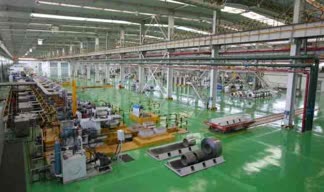
Corrosion risk follows the route, not the equipment list
Electrolyzer auxiliaries depend on cooling, pumping, ventilation and control support. A problem in one of these systems can affect more than a single load. An electrolyzer power cable should be discussed in the context of the equipment it supports, the route it follows and the conditions maintenance teams will face.
Brine pumps and caustic transfer systems bring another layer of exposure. A brine system cable may pass through wet process areas before reaching a cleaner electrical space. If that transition is not visible in the inquiry, the supplier cannot distinguish the demanding section from the ordinary one.
Where chlor-alkali plant cable decisions affect customers most
Chemical names are not enough
Writing corrosive area on a schedule does not explain concentration, contact risk or whether the route is normally dry. Buyers do not need to provide a chemistry report, but they should describe what is present, how often the area is washed and whether deposits can remain on trays or cable surfaces.
Wet floors change how maintenance happens
In brine and caustic areas, access may be restricted during operation and maintenance may be performed around wet equipment. A caustic area cable route should be easy to identify and inspect so that teams can plan work without tracing circuits through several process zones.
Dry electrical rooms should stay separate
Rectifier auxiliaries, distribution panels and control equipment may be located in cleaner spaces. Mixing these circuits with exposed process routes in one description can lead to overgeneralized construction and confusing delivery marks. Separation creates a clearer technical and commercial comparison.
Small auxiliaries can carry large process consequences
Cooling fans, pumps and scrubber systems may look secondary on a load list. In operation, their availability can be essential. The cable review should reflect process consequence as well as kilowatts, especially where access or replacement would be difficult.
A room-by-room review prevents a plant-wide assumption
Imagine a brownfield project replacing several brine pumps and adding a new caustic transfer skid. The existing cable schedule lists sizes and lengths, but the route drawings are old and do not show which tray sections pass through wet areas. Reusing the list without a route walk would turn unknown conditions into supplier assumptions.
A stronger project team marks the exposed sections, confirms the dry-room transitions and gives every pump or skid a consistent tag. JINCHUAN Cable can then respond to the real route instead of treating the entire plant as one chemical environment.
The result is a proposal that engineering can review, purchasing can compare and maintenance can recognize later. That shared understanding is more valuable than adding broad technical language that nobody can connect to a physical route.
Choosing the right chlor-alkali plant power cable supplier by business value
For chemical producers, EPC teams and plant electrical departments, supplier comparison should begin with the results the project must protect: corrosion-aware routing, stable critical auxiliaries, safer maintenance and staged expansion. The cable proposal should show how its assumptions connect with those operating priorities.
Price still matters in chlor-alkali plant projects, but it should be read beside route conditions, critical loads, cable identity and what is included in the offer. A lower figure can become expensive if site teams later discover that the route, operating duty or delivery grouping was misunderstood.
The most useful chlor-alkali plant proposal is easy for different teams to read. Engineering can understand construction and duty, purchasing can see commercial scope, and maintenance can recognize how the cable will be identified after installation.
Keeping expansion records usable
Chlor-alkali facilities are frequently upgraded in stages. When each project uses different room names or cable descriptions, later teams lose the connection between equipment, route and construction. Consistent naming protects that history.
A supplier can support repeat work more effectively when the buyer retains approved cable data, drum marks and route notes. The next expansion then starts from a known baseline rather than an unverified spreadsheet.
Turning operating needs into clear cable requirements
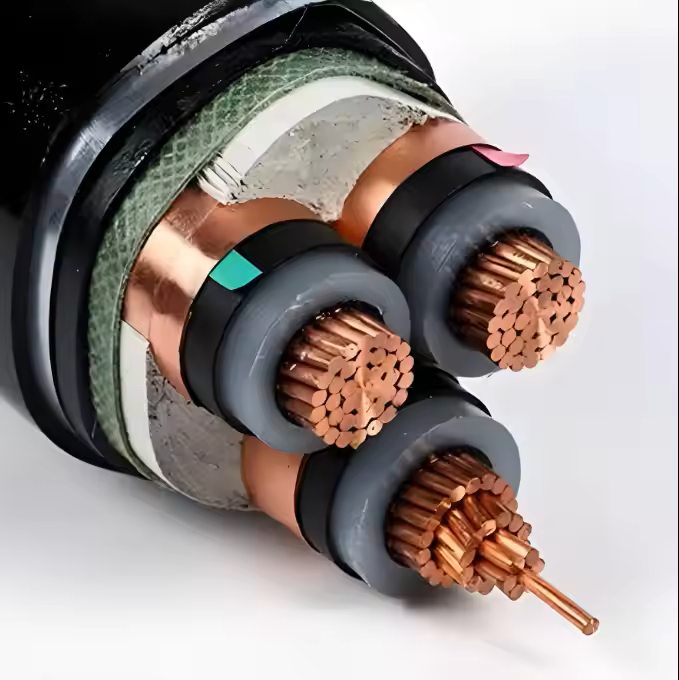
Technical detail matters when it is connected to the operation. Voltage, conductor, insulation, sheath, armor, fire performance and motor duty should be discussed in relation to the chlor-alkali plant route and operating consequence.
For chlor-alkali plant projects, references such as IEC 60502, IEC 60228 and IEC 60332 can help both sides use consistent terminology. They do not replace the project specification or the buyer's responsibility to confirm the design. Their value is to make supplier discussions clearer and easier to compare.
How JINCHUAN Cable supports chlor-alkali plant projects
For buyers evaluating the chlor-alkali plant power cable supplier, JINCHUAN Cable can support chlor-alkali inquiries by reviewing where each circuit runs, what equipment it protects and which process conditions need to be visible in the offer. That route-based conversation helps the brand contribute engineering clarity, not just a product price.
chlor-alkali plant buyers can explore JINCHUAN Cable products and learn more about the JINCHUAN Cable company. For a quotation, share the project purpose, critical loads, route conditions, cable schedule, quantities, destination and expected approval records.
That information allows JINCHUAN Cable to respond to the way the chlor-alkali plant operates. It also gives buyers a stronger basis for comparing offers and preserving useful records for future maintenance or expansion.
FAQ
What should buyers expect from the chlor-alkali plant power cable supplier?
Buyers should expect a discussion that connects cable construction with the operating conditions, critical loads and future plans of the chlor-alkali plant.
Why is cable planning important for chlor-alkali plant projects?
Cable planning for the chlor-alkali plant supports uptime by keeping critical systems, shared utilities, route conditions and maintenance needs visible before installation.
Is the lowest cable price always the best value?
No. Supplier comparison for chlor-alkali plant projects should include operating fit, route assumptions, identification, included records, packing and the risk of changes after approval.
How can buyers make the first inquiry more useful?
Describe the chlor-alkali plant operating problem, explain what must keep running and attach technical data that supports that requirement.
Can JINCHUAN Cable review this type of chlor-alkali plant project?
Yes. JINCHUAN Cable can review the chlor-alkali plant cable schedule, loads, routes, site conditions, quantities and document expectations supplied by the buyer.
Why do equipment and route names matter?
In chlor-alkali plant projects, they help engineering, receiving, installation and maintenance teams connect each cable with its actual purpose throughout the project.
Should future expansion be discussed before ordering?
Yes. Known chlor-alkali plant expansion stages can affect route space, distribution planning, circuit naming and the usefulness of today's cable records.
Which technical references may be discussed?
Teams working on chlor-alkali plant projects may discuss IEC cable and conductor references, but the approved project specification remains the final basis for the order.
What information makes the first supplier reply more useful?
For chlor-alkali plant projects, provide the load list, voltage, route, installation environment, operating dependencies, quantities, destination and required records.
How does a clear cable discussion help a buyer?
It connects the chlor-alkali plant cable decision with uptime, maintenance and growth, then gives the buyer a practical basis for supplier comparison.