
A forklift factory power cable supplier should help the buyer manage a mixed product line, not only a list of welding and assembly machines. Electric, engine-powered and automated models can share stations while creating very different battery, control and test requirements.
The best cable plan follows the vehicle to final release. It identifies which shared paint, handling or test system can interrupt several models and where future variants need physical connection capacity.
This structure begins with a realistic expansion scenario and then converts it into measurable supplier evidence.
Scenario: electric models change the final assembly bottleneck
Situation: A factory adds a larger electric forklift range while keeping the same chassis and final assembly halls.
Finding: Welding capacity is sufficient, but battery preparation, software checks and end-of-line stations require longer occupancy and different support loads.
Decision: The project separates common stations from electric-model dependencies and expands the test map before releasing cable groups.
Expected result: Supplier comparison reflects mixed-model release rather than one average vehicle load.
Where should the next electrical capacity be placed?
Choose the branch that matches the measured factory constraint.
Chassis output is limiting
Review welding fixtures, robots, extraction, cranes and material flow as one production group.
Paint is limiting
Include ventilation, pumps, ovens or curing systems and the route boundaries that serve them.
Electric model integration is limiting
Map battery preparation, chargers, cooling, controls and safe material handling.
Final testing is limiting
Define model-specific checks, station time and simultaneous loads before adding assembly stations.
The correct cable investment follows the verified constraint rather than the most visible equipment purchase.
A buyer scorecard for mixed-model forklift production
Use the scorecard to compare how completely each offer covers the operating task.
| Criterion | Question | Evidence to request |
|---|---|---|
| Model coverage | Does the offer distinguish electric and engine variants? | Station and load map by model family |
| Shared systems | Are paint, handling and utilities tied to affected lines? | Dependency and standby notes |
| Test capacity | Does the test area reflect station time and simultaneous vehicles? | End-of-line duty table |
| Expansion value | Can records support the next vehicle range? | Permanent names and route-capacity statement |
This approach rewards clear scope and evidence rather than assuming every bidder priced the same factory.
One line can serve several forklift architectures
A useful forklift factory power cable supplier begins by mapping chassis fabrication, welding, painting, mast and axle assembly, powertrain integration, final assembly, testing and dispatch. The purpose is to connect each cable group with a production, quality or release consequence before construction and price are compared.
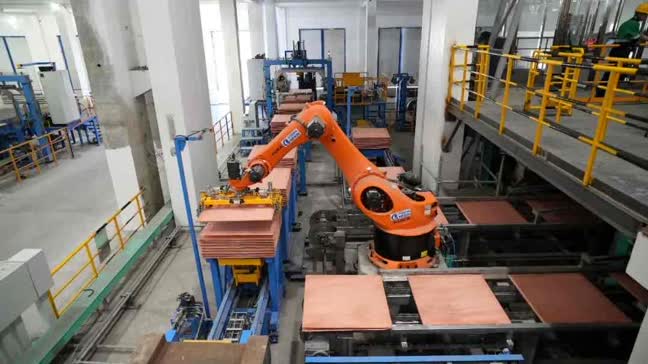
A forklift welding line cable supports fixtures, robots, positioners and extraction that establish the chassis flow. A forklift assembly line cable may then serve mixed mechanical, hydraulic, electrical and battery workstations.
An end-of-line test cable should be reviewed with chargers, controls, brake or steering checks, inspection equipment and the model mix expected at each station. Final release capacity is the commercial measure.
Risks that belong in the commercial comparison
These issues can create cost after approval if they remain outside the stated scope.
- Mast and chassis handling loads are separated from machine packages.
- Paint ventilation and thermal support are connected with the production line.
- Battery preparation and charging are described by actual model and operating practice.
- Software, electrical and functional checks are included in the final test map.
- Outdoor test or dispatch routes show weather, traffic and maintenance access.
A lower price is less useful when the production dependencies that make a forklift saleable are missing.
A four-stage route to an expansion-ready cable schedule
The order keeps model planning, station design and records aligned.
Stage 1: Freeze the model families
List common and variant processes for chassis, powertrain, battery and final checks.
Stage 2: Map shared systems
Connect paint, cranes, air, chargers and test equipment with affected stations.
Stage 3: Separate route environments
Mark welding, paint, battery, inspection and outdoor areas accurately.
Stage 4: Release delivery and records
Group drums by installation stage and preserve permanent line and station identities.
The timeline reduces late changes and gives future model programs a verified starting point.
Final audit before supplier approval
Confirm that the proposal answers the factory's current and next model requirements.
- Mixed-model duty is stated rather than averaged without explanation.
- Battery and charger areas are mapped separately from ordinary assembly.
- End-of-line testing includes every shared support system.
- Temporary project equipment is not confused with permanent factory infrastructure.
- Labels, records, exclusions and expansion assumptions are included.
The audit gives purchasing a concise record of what has been priced and what still needs design confirmation.
RFQ inputs for a mixed forklift production line
Describe model families and end-of-line checks so the supplier can connect cable scope with released vehicles.
- System voltage and frequency
- Load or cable schedule
- Motor ratings and starting method
- Route length and installation method
- Actual wet, dusty, hot, outdoor or mechanical conditions
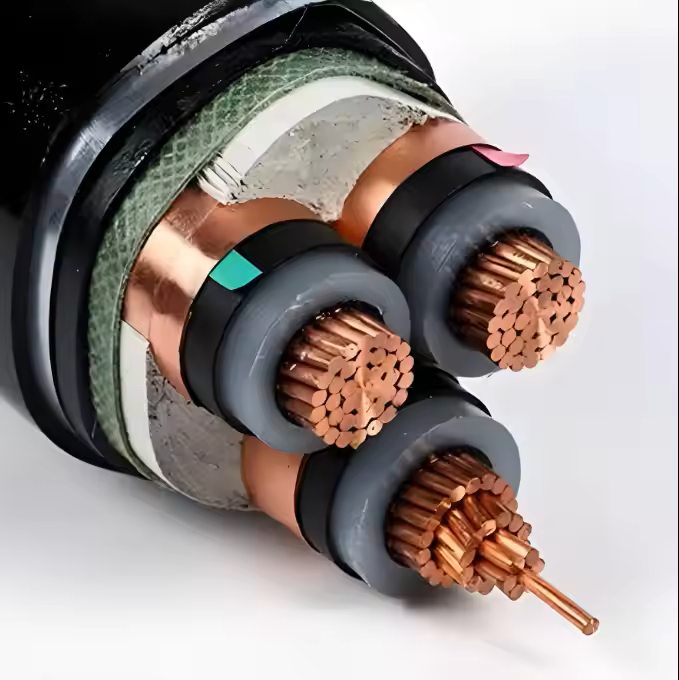
- Required conductor, insulation, sheath and armor details
- Destination, delivery stages and required records
- electric and engine model mix
- welding, paint and assembly station plan
- battery preparation and charging loads
- end-of-line test sequence and duration
- outdoor test, dispatch and expansion routes
For forklift factory projects, references such as IEC 60502, IEC 60228 and IEC 60332 can help both sides use consistent terminology. They do not replace the approved specification or the buyer's responsibility to confirm the design.
How JINCHUAN Cable supports forklift factory decisions
For material-handling equipment manufacturers, automotive engineers and factory planners evaluating the forklift factory power cable supplier, JINCHUAN Cable can review common line infrastructure and model-specific battery or test requirements using the buyer's approved production inputs.
The proposal can make route assumptions, cable construction, delivery and records clear while vehicle safety and final line design remain with the qualified project team.
Buyers can review JINCHUAN Cable products and learn more about the JINCHUAN Cable company. Share the project purpose, critical loads, route conditions, quantities, destination and expected records to create a stronger basis for technical and commercial comparison.
Send the mixed-model station map and final-test schedule to obtain a quotation grounded in dependable forklift release and future product changes.
FAQ
What should buyers expect from a forklift factory power cable supplier?
Buyers should expect the proposal to connect cable construction with model mix, welding and paint dependencies, battery or engine variants, final testing and line flexibility, not merely repeat conductor sizes from a schedule.
Which part of the forklift factory should be mapped first?
Start with chassis fabrication, welding, painting, mast and axle assembly, powertrain integration, final assembly, testing and dispatch. This shows which supporting loads can interrupt more than one production stage.
How should quotations for the forklift factory be compared?
Compare the stated route assumptions, operating duty, included records, delivery grouping and exclusions beside price. That exposes scope differences before approval.
Which route conditions matter in a forklift factory?
The inquiry should distinguish welding bays, paint areas, mixed-model assembly lines, battery stations, test tracks, inspection pits and outdoor yards. Broad labels such as indoor or industrial are rarely precise enough for a useful review.
What hidden risk deserves attention in this project?
A common hidden risk is planning the main assembly line without checking paint, mast handling, battery areas and end-of-line test capacity. Its production consequence may be greater than the connected load suggests.
Should future changes be discussed before ordering?
Yes. new electric models, larger battery packs, autonomous options and additional final-test stations can affect route capacity, circuit names, distribution space and the value of today's approval records.
Which records help after installation?
Useful records include line and station identities, model-variant assumptions, battery and test dependencies, route notes and final revisions. They help receiving, installation and maintenance teams connect each cable with its purpose.
Which technical references may support the discussion?
IEC 60502, IEC 60228 and IEC 60332 may provide common terminology, while the approved project specification remains the final design basis.
What should be sent with the first RFQ?
Send the cable or load schedule plus project details such as electric and engine model mix, welding, paint and assembly station plan, battery preparation and charging loads, end-of-line test sequence and duration, outdoor test, dispatch and expansion routes. Clear inputs allow suppliers to identify assumptions instead of guessing.
How can JINCHUAN Cable support the forklift factory?
JINCHUAN Cable can review the schedule, routes, operating conditions, quantities and required records against the result the buyer needs to protect: balanced chassis production, flexible assembly, controlled battery work and dependable end-of-line release.