
A fruit processing plant cable supplier should plan around the harvest clock. When fresh product arrives, a washer, pulper or transfer pump failure can waste a limited intake window that cannot be recovered later.
A useful risk map ranks circuits by product loss, plant-wide consequence and repair difficulty. It then separates wet routes, thermal areas and dry packing spaces.
This approach makes cable decisions easier to explain to purchasing teams while giving maintenance staff a practical priority list for peak season.
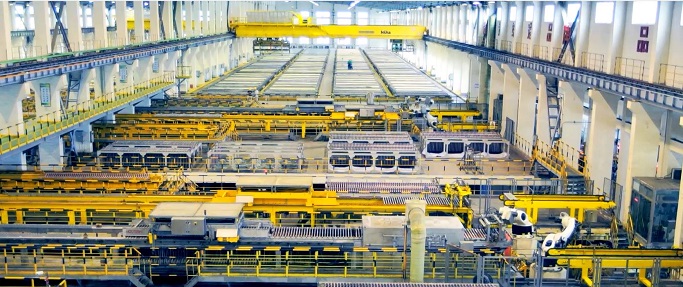
A four-zone risk map for seasonal fruit processing
Each zone creates a different combination of product loss, environment and maintenance pressure.
| Area or signal | Why it matters | What to clarify |
|---|---|---|
| Receiving and washing | Fresh product cannot wait | Wet routes, pumps and outdoor exposure |
| Pulping and transfer | Upstream material accumulates | Motor duty, tank tags and cleaning |
| Treatment and storage | Batch quality and shared utilities | Heat, pumps and critical controls |
| Filling and packing | Saleable output stops | Clean routes, formats and line speed |
How to evaluate a fruit processing plant cable supplier through risk
The review should focus first on the circuits that protect fresh-product flow and wet processing.
Intake and washing protect the harvest window
The fruit washer power cable serves pumps, conveyors and washing equipment that determine whether incoming fruit can enter production. This is why its value should be judged by production consequence as well as electrical rating.
Describe water exposure, outdoor transitions and mechanical activity around receiving.
Pulping is often the first major bottleneck
The pulping machine cable supports equipment that converts sorted fruit into processable material for downstream treatment. This is why its value should be judged by production consequence as well as electrical rating.
Show motor duty, upstream accumulation and the wet route to pumps or tanks.
Filling protects commercial output
The juice filling line cable connects filling, capping, inspection and packing equipment after product treatment. This is why its value should be judged by production consequence as well as electrical rating.
Separate clean filling conditions from wet intake and include format changes.
Seasonal raw material changes the cost of downtime
The production path covers receiving, washing, sorting, crushing or pulping, treatment, storage, filling and packing. Fresh fruit has a limited processing window, and pumps or conveyors between stages can stop intake even when the main processing machines remain available.
For fruit processors, food engineers and seasonal plant operators, the useful cable schedule connects those stages with stable area and equipment names. That makes installation scope easier to compare and gives maintenance teams records that reflect how the fruit processing plant actually operates.
What a longer harvest intake shift changes
A processor extends receiving hours and adds another pulper to handle a stronger harvest season.
Water systems, transfer pumps, storage and filling now operate for longer periods, while maintenance windows become shorter.
JINCHUAN Cable can review cable groups through the new duty cycle and the risk map instead of quoting only the additional pulper feeder.
RFQ details that explain seasonal operating risk
The supplier needs to understand intake timing, wet routes and recovery arrangements, not only the normal load schedule.
- System voltage and frequency
- Load or cable schedule
- Motor ratings and starting method
- Route length and installation method
- Actual wet, dusty, hot, outdoor or mechanical conditions
- Required conductor, insulation, sheath and armor details
- Destination, delivery stages and required records
- Peak intake hours and season length
- Standby pump and conveyor arrangements
- Wet, outdoor and clean-area boundaries
For fruit processing plant projects, references such as IEC 60502, IEC 60228 and IEC 60332 can help both sides use consistent terminology. They do not replace the approved specification or the buyer's responsibility to confirm the design.
When a formal risk map is worth the effort
It is valuable where raw material is seasonal, wet routes are extensive or a short interruption creates immediate product loss.
- Fruit juice plants
- Pulp and puree facilities
- Seasonal canning operations
- Receiving and pulping expansions
A small year-round processing workshop may need a shorter risk review, but fresh-product and wet-route priorities should remain visible.
Build the cable priority list before peak intake
The best time to clarify circuit consequence is before seasonal production removes the available maintenance window.
Rank product-loss risk
Identify which stop wastes incoming or processed fruit.
Mark wet-route boundaries
Separate receiving, washing and dry utility spaces.
Confirm standby equipment
Show pumps or fans that have backup capacity.
Review extended duty
Check longer operating hours against motor and utility assumptions.
Risk gaps that appear during harvest
All wet areas are treated the same
Outdoor intake, washdown rooms and utility spaces can differ.
Standby pumps are missing from records
Maintenance teams cannot see the intended recovery path.
Packing is assumed to absorb more intake
Finished-product capacity may remain the constraint.
Seasonal duty is not stated
A normal-shift quotation may not reflect peak operating hours.
How JINCHUAN Cable supports fruit processing plant projects
For fruit processors, food engineers and seasonal plant operators evaluating the fruit processing plant cable supplier, JINCHUAN Cable can review fruit-processing cable requirements against product-loss risk, seasonal duty and the wet-to-clean production path.
This helps the buyer compare proposals through the circuits that protect harvest value and keep finished-product filling available.
Buyers planning fruit processing plant projects can review JINCHUAN Cable products and learn more about the JINCHUAN Cable company. Sharing the project purpose, critical loads, route conditions, quantities, destination and expected records creates a stronger basis for the next discussion.
That information helps JINCHUAN Cable connect cable construction with reliable intake, controlled wet processing, stable product treatment and efficient filling, rather than responding with a catalog-only quotation.
FAQ
What should buyers expect from the fruit processing plant cable supplier?
Buyers should expect a discussion that connects cable construction with critical loads, route conditions, maintenance needs and future plans for the fruit processing plant.
Why is cable planning important for fruit processing plant projects?
Cable planning for the fruit processing plant supports uptime by keeping shared systems, operating conditions and circuit identity visible before installation.
Is the lowest cable price always the best value?
No. Supplier comparison for fruit processing plant projects should include operating fit, route assumptions, records, packing and the risk of changes after approval.
How can buyers make the first inquiry more useful?
Describe what must keep running in the fruit processing plant, then provide load, voltage, route, environment, quantity and document information.
Can JINCHUAN Cable review this type of fruit processing plant project?
Yes. JINCHUAN Cable can review the fruit processing plant cable schedule, loads, routes, site conditions, quantities and expected approval records.
Why do equipment and route names matter?
In fruit processing plant projects, they help engineering, receiving, installation and maintenance teams connect every cable with its actual purpose.
Should future expansion be discussed before ordering?
Yes. Known fruit processing plant expansion stages can affect route space, distribution capacity, circuit naming and the value of today's records.
Which technical references may be discussed?
Teams working on fruit processing plant projects may discuss IEC cable and conductor references, while the approved specification remains the final basis for the order.
What information makes a supplier reply more useful?
For the fruit processing plant, provide the load list, voltage, route, installation environment, operating dependencies, quantities, destination and required records.
How does a clear cable plan support the buyer?
It connects the fruit processing plant cable decision with uptime, maintenance and growth, giving the buyer a practical basis for comparing suppliers.