
An injection molding factory power cable supplier should understand why a stopped chiller can be as disruptive as a stopped molding machine. Production depends on a network of machines, mold temperature controllers, material dryers, robots, compressors and cooling systems. If one shared utility fails, several cells may go down together.
For buyers, the strongest cable plan is not the one with the longest specification. It is the one that mirrors the factory layout, identifies shared services and leaves enough clarity for the next machine installation. That turns cable from a hidden utility into part of the plant's uptime strategy.
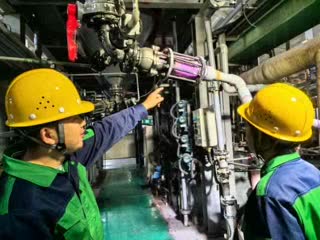
The molding machine is only one part of every production cycle
An injection molding machine cable is usually associated with a specific press, but its route may share space with water lines, resin handling equipment and robot controls. Machine numbers should remain visible from the cable schedule through drum delivery and final maintenance records.
A chiller power cable has a broader operational role because one chiller may support several machines. The buyer should identify that dependency. It helps the project team decide which circuits need closer review and prevents a shared utility feeder from being treated as an ordinary background load.
Where injection molding factory cable decisions affect customers most
Repeated machine rows create identification risk
Molding floors often contain many similar presses. Generic descriptions such as machine feeder are not enough when a technician has to isolate one cell. Consistent press, panel and route numbers reduce confusion during installation and later troubleshooting.
Cooling systems connect several production cells
Central chillers, pumps and cooling towers may serve multiple lines. Their cable routes deserve attention to moisture, motor duty and the consequences of a shared shutdown. A plant that understands these links can prioritize the right feeders during an expansion.
Automation changes faster than the building
Robot cells, take-out systems and material conveyors are often added after the main electrical layout is established. A robot cell feeder cable should be planned with spare route capacity and clear boundaries between power and sensitive control systems.
Oil, resin and water appear in different places
The factory environment is not uniform. Oil can collect near hydraulic machines, resin dust can appear around material systems and water may be present near cooling equipment. Route-specific notes are more useful than labeling the entire plant as clean indoor service.
Adding ten machines without creating ten future problems
A factory expansion may add ten molding machines in two phases. The equipment supplier provides load data, but the plant must still coordinate machine rows, chillers, dryers, robot cells and spare capacity. If every feeder is ordered independently, drum allocation and circuit naming can become inconsistent before installation begins.
A better plan groups the first phase by machine row and identifies which utilities are shared. The second phase is shown on the same drawing, even if its cable is not ordered yet. JINCHUAN Cable can review the immediate requirement while understanding how the routes and loads may grow.
This creates a more useful handover. Maintenance teams can see which circuits belong to a press, which support shared cooling and which capacity remains available for the next production cell.
Choosing the right injection molding factory power cable supplier by business value
For plastics manufacturers, factory engineers and expansion teams, supplier comparison should begin with the results the project must protect: machine uptime, dependable shared cooling, flexible automation and faster expansion. The cable proposal should show how its assumptions connect with those operating priorities.
Price still matters in injection molding factory projects, but it should be read beside route conditions, critical loads, cable identity and what is included in the offer. A lower figure can become expensive if site teams later discover that the route, operating duty or delivery grouping was misunderstood.
The most useful injection molding factory proposal is easy for different teams to read. Engineering can understand construction and duty, purchasing can see commercial scope, and maintenance can recognize how the cable will be identified after installation.
Expansion should be visible before the next machine arrives
Injection molding businesses respond quickly to new programs and tooling. Electrical routes that are completely filled during the first installation can make the next machine expensive to connect. Buyers should coordinate route capacity, distribution space and naming before the production floor becomes crowded.
Good records also speed up repeat decisions. When the plant retains approved cable details and machine tags, future orders can focus on the differences instead of reconstructing the original project.
Turning operating needs into clear cable requirements
Technical detail matters when it is connected to the operation. Voltage, conductor, insulation, sheath, armor, fire performance and motor duty should be discussed in relation to the injection molding factory route and operating consequence.
For injection molding factory projects, references such as IEC 60502, IEC 60228 and IEC 60332 can help both sides use consistent terminology. They do not replace the project specification or the buyer's responsibility to confirm the design. Their value is to make supplier discussions clearer and easier to compare.
How JINCHUAN Cable supports injection molding factory projects
For buyers evaluating the injection molding factory power cable supplier, JINCHUAN Cable can review injection molding projects as a connected production system, including presses, cooling, materials and automation. That gives the buyer a clearer conversation about uptime, expansion and maintainability while keeping the product recommendation tied to real site conditions.
injection molding factory buyers can explore JINCHUAN Cable products and learn more about the JINCHUAN Cable company. For a quotation, share the project purpose, critical loads, route conditions, cable schedule, quantities, destination and expected approval records.
That information allows JINCHUAN Cable to respond to the way the injection molding factory operates. It also gives buyers a stronger basis for comparing offers and preserving useful records for future maintenance or expansion.
FAQ
What should buyers expect from the injection molding factory power cable supplier?
Buyers should expect a discussion that connects cable construction with the operating conditions, critical loads and future plans of the injection molding factory.
Why is cable planning important for injection molding factory projects?
Cable planning for the injection molding factory supports uptime by keeping critical systems, shared utilities, route conditions and maintenance needs visible before installation.
Is the lowest cable price always the best value?
No. Supplier comparison for injection molding factory projects should include operating fit, route assumptions, identification, included records, packing and the risk of changes after approval.
How can buyers make the first inquiry more useful?
Describe the injection molding factory operating problem, explain what must keep running and attach technical data that supports that requirement.
Can JINCHUAN Cable review this type of injection molding factory project?
Yes. JINCHUAN Cable can review the injection molding factory cable schedule, loads, routes, site conditions, quantities and document expectations supplied by the buyer.
Why do equipment and route names matter?
In injection molding factory projects, they help engineering, receiving, installation and maintenance teams connect each cable with its actual purpose throughout the project.
Should future expansion be discussed before ordering?
Yes. Known injection molding factory expansion stages can affect route space, distribution planning, circuit naming and the usefulness of today's cable records.
Which technical references may be discussed?
Teams working on injection molding factory projects may discuss IEC cable and conductor references, but the approved project specification remains the final basis for the order.
What information makes the first supplier reply more useful?
For injection molding factory projects, provide the load list, voltage, route, installation environment, operating dependencies, quantities, destination and required records.
How does a clear cable discussion help a buyer?
It connects the injection molding factory cable decision with uptime, maintenance and growth, then gives the buyer a practical basis for supplier comparison.