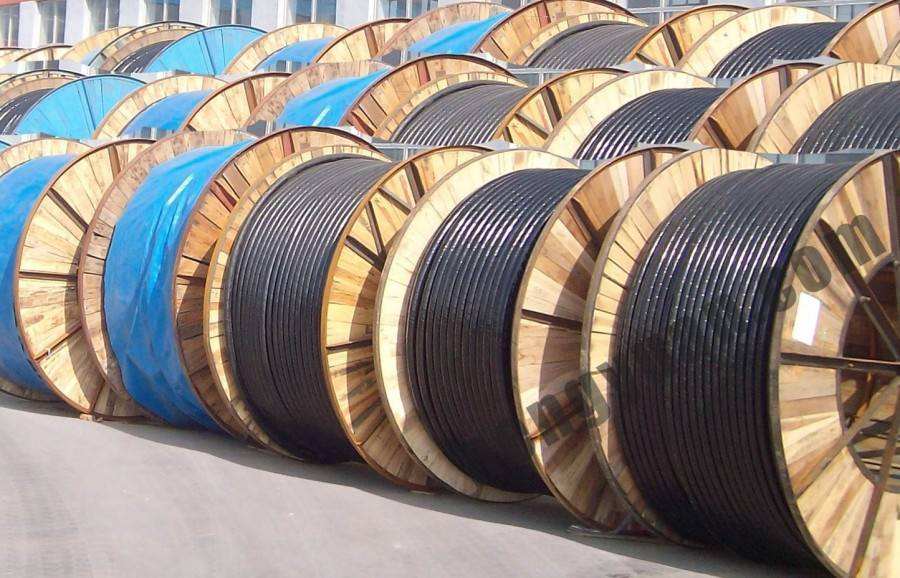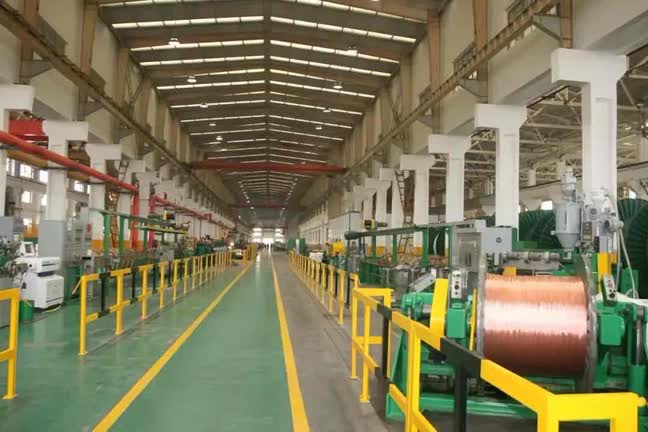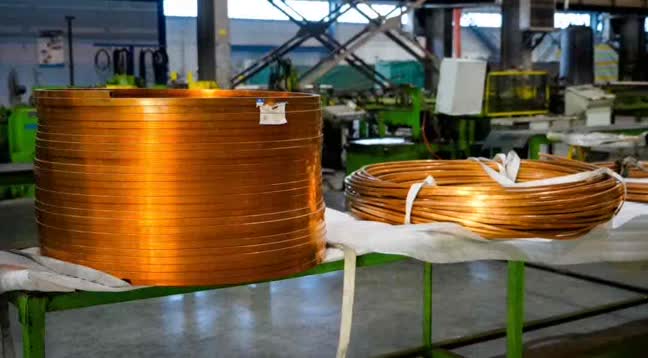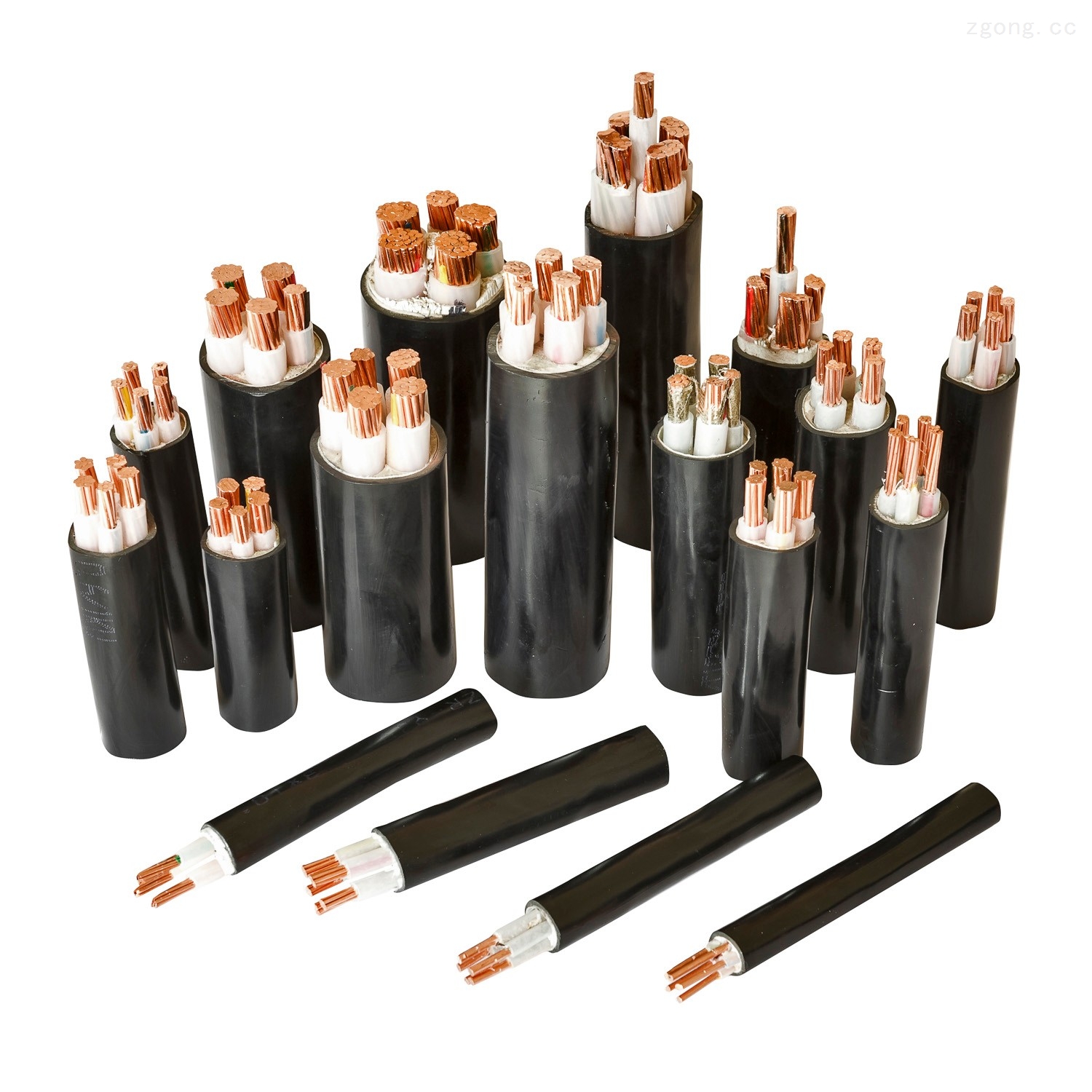

A metal stamping factory power cable supplier should help reduce lost press time, not only match a motor schedule. A press can remain available while coil feed, lubrication, transfer or die handling prevents production.
The useful decision is to map every system needed to complete a run and restart after a change. This exposes modest support circuits whose downtime cost is larger than their connected load.
The structure below combines a decision tree, failure scenario and supplier scorecard for a more practical purchase.
What is actually stopping press availability?
Choose the observed loss, then trace every supporting circuit that can create it.
The press waits for material
Review decoilers, straighteners, feeders, lubrication and coil handling.
The press stops during the run
Check cyclic duty, controls, transfer systems and shared utilities.
Die changes take too long
Map cranes, carts, clamps, preheating or setup equipment and their connection points.
Parts wait after stamping
Include deburring, washing, inspection and packing before adding more press capacity.
The branch with the greatest measured loss should guide the next cable and equipment investment.
Scenario: a faster servo press increases changeover losses
Situation: A factory installs a faster press for shorter automotive runs and more frequent product changes.
Finding: Production speed improves, but die handling and feeder setup remain manual and circuit locations are inconsistent across the bay.
Decision: The buyer maps the complete changeover sequence and creates permanent connection and equipment identities before expanding the cable scope.
Expected result: The project targets productive press hours rather than theoretical strokes per minute.
Five steps to a press-shop RFQ that can be compared
These steps convert downtime and route information into visible supplier assumptions.
1. Measure productive time
Separate running, waiting, fault and die-change hours for each line.
2. Map the complete feed path
Include coil handling, straightening, lubrication and transfer.
3. Record cyclic and starting duty
Use approved machine data instead of a size-only schedule.
4. Mark oily and mechanical zones
Show press pits, feeder routes, die traffic and cleaning practice.
5. Plan for the next automation stage
Reserve route and distribution capacity where future feeders or robots will connect.
Downtime-cost table for stamping circuits
The table ranks equipment by the production time it can lose.
| Circuit group | Downtime effect | Evidence |
|---|---|---|
| Main press | One line stops | Duty, motor data and protection basis |
| Coil feed | Press cannot receive material | Shared feeder components and line identity |
| Lubrication and controls | Quality or safe operation is interrupted | Dependency and standby notes |
| Die handling | Change window extends | Equipment path, connection points and access |
| Downstream wash or inspection | Stamped parts cannot clear the line | Capacity, room and product-mix data |
A small feeder or handling circuit may justify higher priority when it consumes expensive press time.
A press line begins at the coil and ends after quality release
A useful metal stamping factory power cable supplier begins by mapping coil receiving, decoiling, straightening, feeding, stamping, transfer, deburring, washing, inspection and packing. The purpose is to connect each cable group with a production, quality or release consequence before construction and price are compared.
A stamping press power cable supports heavy cyclic duty, but production also depends on a coil feeder line cable, straightener, lubrication and transfer equipment operating in sequence.
A die change equipment cable may serve cranes, carts or clamps used during limited change windows. Clear circuit identity and maintenance access can directly reduce the time before the next run starts.
Audit the offer for press-shop blind spots
Confirm the supporting systems are not hidden outside the quoted schedule.
- Coil and die handling are connected with each press line.
- Lubrication, controls and transfer equipment have clear ownership.
- Press pits and oily routes are described separately from ordinary indoor areas.
- Delivery groups match long line routes and installation stages.
- Expansion space, exclusions and maintenance records are explicit.
This audit improves the commercial comparison and leaves fewer assumptions for the installation team.
Supplier scorecard for stamping uptime
Rate the offer through production recovery and evidence.
| Criterion | Question | Evidence to request |
|---|---|---|
| Line completeness | Does the scope cover press, feed and transfer? | Process dependency map |
| Changeover support | Are die-handling circuits and locations clear? | Change sequence and equipment plan |
| Route accuracy | Are oily, pit and traffic conditions stated? | Marked route assumptions |
| Future value | Can the records support servo feeders or robots? | Expansion and revision plan |
The strongest offer is the one that makes productive press time easier to protect and verify.
RFQ inputs for productive stamping hours
The supplier should receive line duty, measured downtime and the complete feed and changeover sequence.
- System voltage and frequency
- Load or cable schedule
- Motor ratings and starting method
- Route length and installation method
- Actual wet, dusty, hot, outdoor or mechanical conditions
- Required conductor, insulation, sheath and armor details
- Destination, delivery stages and required records
- press ratings and production mix
- coil feed and transfer arrangement
- lubrication, controls and shared utilities
- die-change equipment and timing
- press-pit, oily and future automation routes
For metal stamping factory projects, references such as IEC 60502, IEC 60228 and IEC 60332 can help both sides use consistent terminology. They do not replace the approved specification or the buyer's responsibility to confirm the design.
How JINCHUAN Cable supports metal stamping factory decisions
For stampers, automotive component manufacturers and press-shop engineers evaluating the metal stamping factory power cable supplier, JINCHUAN Cable can review press, feeder, die-handling and downstream cable groups against the operating data supplied by the buyer.
The offer can document cable construction, route assumptions, labels and delivery while final press protection and machine-safety design remain with qualified engineers.
Buyers can review JINCHUAN Cable products and learn more about the JINCHUAN Cable company. Share the project purpose, critical loads, route conditions, quantities, destination and expected records to create a stronger basis for technical and commercial comparison.
Send the press-line map and downtime summary to obtain a quotation focused on productive hours and expansion-ready records.
FAQ
What should buyers expect from a metal stamping factory power cable supplier?
Buyers should expect the proposal to connect cable construction with impact duty, shared feed systems, die-change time, lubrication, automation and production recovery, not merely repeat conductor sizes from a schedule.
Which part of the metal stamping factory should be mapped first?
Start with coil receiving, decoiling, straightening, feeding, stamping, transfer, deburring, washing, inspection and packing. This shows which supporting loads can interrupt more than one production stage.
How should quotations for the metal stamping factory be compared?
Compare the stated route assumptions, operating duty, included records, delivery grouping and exclusions beside price. That exposes scope differences before approval.
Which route conditions matter in a metal stamping factory?
The inquiry should distinguish heavy press bays, oily feeder lines, die-storage areas, automation cells, washing sections and inspection rooms. Broad labels such as indoor or industrial are rarely precise enough for a useful review.
What hidden risk deserves attention in this project?
A common hidden risk is ranking only the main press feeder while coil handling, lubrication or die-change equipment determines actual press availability. Its production consequence may be greater than the connected load suggests.
Should future changes be discussed before ordering?
Yes. larger presses, servo feeders, automated die changes and more transfer or robotic handling can affect route capacity, circuit names, distribution space and the value of today's approval records.
Which records help after installation?
Useful records include press and line identities, feeder dependencies, die-change circuits, route assumptions and recovery revisions. They help receiving, installation and maintenance teams connect each cable with its purpose.
Which technical references may support the discussion?
IEC 60502, IEC 60228 and IEC 60332 may provide common terminology, while the approved project specification remains the final design basis.
What should be sent with the first RFQ?
Send the cable or load schedule plus project details such as press ratings and production mix, coil feed and transfer arrangement, lubrication, controls and shared utilities, die-change equipment and timing, press-pit, oily and future automation routes. Clear inputs allow suppliers to identify assumptions instead of guessing.
How can JINCHUAN Cable support the metal stamping factory?
JINCHUAN Cable can review the schedule, routes, operating conditions, quantities and required records against the result the buyer needs to protect: stable press output, reliable coil feeding, efficient die changes and controlled downstream quality.