
Buyer takeaway: power cable for oil and gas facilities should be reviewed for safety rules, oil exposure, sheath compatibility and document traceability.
Oil, gas and petrochemical routes can involve outdoor exposure, process areas, fire zones, corrosive environments and strict owner documentation. Buyers comparing power cable for oil and gas facilities should make the project route, operating environment, inspection requirement and delivery plan visible before asking suppliers to compete only on unit price.

Who Usually Specifies This Cable
This guide fits EPC contractors, plant owners and procurement teams. It is not a hazardous-area certification manual.
Application Scenarios
Applications include plant distribution, pump feeders, utility substations, control building power and outdoor process-area routes.
Specification Points to Confirm
| Item | Define | Reason |
| Area | Safe/process/hazard zone | Approval |
| Exposure | Oil, chemical, UV, heat | Sheath |
| Fire | Flame/LSZH/fire resistant | Safety |
| Armor | Mechanical need | Protection |
| Documents | Certificates and reports | Handover |
Route Options and Buyer Tradeoffs
| Area | Risk | Cable note |
| Control building | Fire/smoke rules | LSZH if required |
| Process route | Oil/chemical exposure | Sheath compatibility |
| Outdoor feeder | UV/moisture | Sheath and armor |
Approval Focus Table
| Reviewer | Focus | Document |
| Owner | Safety | Specification |
| Engineer | Route class | Datasheet |
| Inspector | Traceability | Reports |
Materials, Structure and Workmanship
JINCHUAN can review cable sheath, armor and fire performance according to the buyer's route description. Oil and chemical exposure should be stated rather than assumed.
Inspection and Document Records
Buyers should request datasheets, routine test reports, cable marks, packing photos and any owner-required certificate package.
Cost Risks Buyers Should Clarify
If the RFQ says only oil and gas cable without route and safety details, suppliers may quote different scopes. A clear power cable for oil and gas facilities request helps JINCHUAN quote the correct structure instead of filling gaps with assumptions.
How Buyers Usually Compare Options
Start with area classification and owner specifications, then review sheath, fire and mechanical protection.
Delivery and Site Handling Notes
Documents should use the project name and cable schedule references exactly. This matters in oil and gas handover systems.
Common Procurement Mistakes to Avoid
Do not use general industrial cable language when the owner requires specific safety or material documents.
Project Review Notes
Before releasing a purchase order for power cable for oil and gas facilities, the engineering, procurement and site teams should review area classification if applicable, voltage and size, oil/chemical exposure, fire requirement and the required document package together. This shared review reduces disputes caused by different assumptions about route conditions, test scope, packing limits or approval rules.
How to Compare Supplier Offers
Put every supplier offer for power cable for oil and gas facilities into the same comparison sheet. Include conductor material, cable structure, sheath or armor, standard, inspection documents, drum length, packing method and delivery terms. If two offers do not include the same scope, the lower unit price may not represent the lower project cost.
Evergreen Maintenance Note
This guide remains useful when project details change. If route length, installation method, destination, owner standard or inspection requirement changes, refresh the RFQ before confirming power cable for oil and gas facilities. Small updates before ordering are easier than corrections after production.
Site Acceptance and Long-Term Maintenance
After delivery, the receiving team should compare drum marks, packing list, cable type, length and visible condition before installation begins. For power cable for oil and gas facilities, this check is not only a warehouse task; it protects the project from wrong-drum installation, missing documents and avoidable rework. Maintenance teams should also keep the datasheet, test report and drum records because they are useful when future expansion, troubleshooting or replacement planning is required. Spare length and route labels should remain traceable.
RFQ Checklist
- Area classification if applicable
- Voltage and size
- Oil/chemical exposure
- Fire requirement
- Armor/sheath
- Inspection documents
- Packing marks
- Destination
JINCHUAN Buyer Support
Buyers can review JINCHUAN power cable products and compare related guidance in the flame retardant and fire resistant cable guide. When the RFQ includes route, standard, size, quantity, packing and document requirements, JINCHUAN can prepare a more reliable technical and commercial response.
Authority Reference
For flame spread terminology, buyers may review IEC 60332-3-24; project owner standards should control final requirements.
Who Usually Specifies This Cable
Typical reviewers include EPC buyers, plant owners, engineering consultants, project procurement teams and maintenance teams. Buyers who only need a stock cable should confirm whether a project-specific review is necessary before requesting a full quotation.
Specification Points to Confirm
| Item | Specification focus |
| Voltage | Confirm project voltage grade before supplier comparison |
| Conductor | Copper or aluminum according to the approved cable schedule |
| Insulation | XLPE or project-approved equivalent |
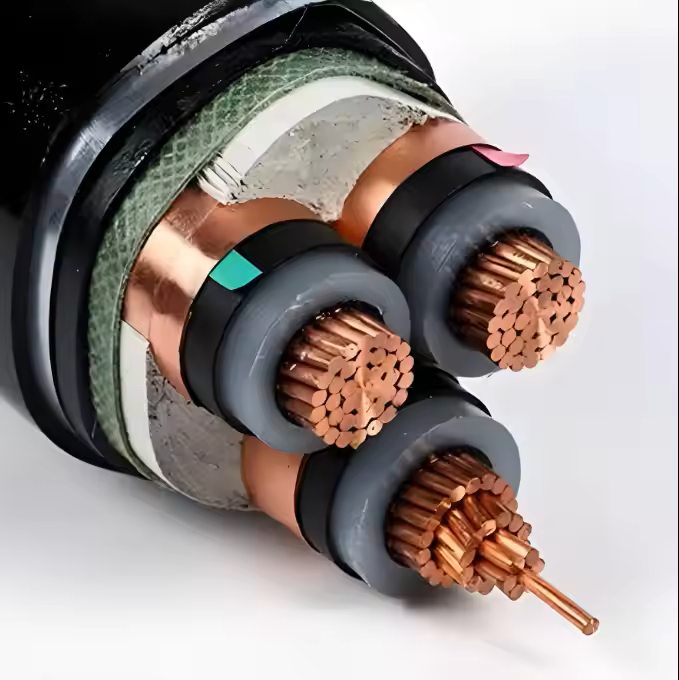
| Protection | Sheath, armor and screen selected by route exposure |
| Documents | Datasheet, routine test report, packing list and drum marks |
Materials and Components
Buyers should confirm conductor material, insulation type, sheath, armor, screen, flame requirement and packing method before price comparison. JINCHUAN Cable can review these items when the buyer shares route notes, load lists and owner documentation needs.
Inspection and Document Records
Useful quality evidence includes routine test reports, cable identity, drum marks, packing photos, certificates required by the owner and consistency with the approved cable schedule.
| QC point | What to verify | Why it matters |
| Before PO | Approved cable schedule | Prevents wrong scope |
| Before shipment | Routine test report | Supports acceptance |
| Receiving | Drum mark and condition | Avoids wrong-drum pulling |
| Handover | Route and cable record | Supports maintenance |
Delivery Planning and Site Sequence
Lead time should be discussed with drum length, packing limits, destination, inspection needs and site installation sequence. This keeps procurement aligned with commissioning rather than treating delivery as a separate commercial note.
Route Options and Buyer Tradeoffs
| Option | Best for | Buyer risk if unclear |
| Standard feeder | Low-exposure utility routes | May miss site route risk |
| Armored route | Mechanical-risk corridors | Can be over- or under-specified |
| Project-specific schedule | EPC and owner-accepted cable packages | Needs complete route and document inputs |
Cost Risks Buyers Should Clarify
The real cost of power cable for oil and gas facilities includes technical clarification time, document gaps, unsuitable drum lengths, delayed receiving checks and route changes after purchase order approval. A lower unit price is not useful if the quotation excludes required test reports, export packing, owner certificates, drum marks or delivery phasing.
Project-Specific Schedule Review
Project teams can request schedule-based review for power cable for oil and gas facilities, including voltage, size, route, packing, drum length, destination, labeling and document requirements. JINCHUAN Cable should be evaluated on the whole project boundary rather than a single line item.
Standards and Authority References
Power cable construction may reference IEC 60502, conductor construction may reference IEC 60228, and field testing context may reference IEEE 400. These references help engineering, purchasing and inspection teams use a shared technical vocabulary.
FAQ
Is oil and gas cable always special certified?
It depends on area classification and owner requirements.
Does oil exposure affect sheath?
Yes, sheath compatibility should be reviewed.
Is fire resistant cable always needed?
Only when the project requires circuit integrity.
Can JINCHUAN quote these projects?
Yes, with route, safety and document requirements.
What is the biggest mistake?
Using vague oil and gas wording without specifications.
Are documents important?
Yes, owner handover often depends on traceable documents.
Should LSZH be used?
Only where required by building or owner rules.
Does armor matter?
Mechanical exposure determines armor or protection need.
Can one cable cover all areas?
Usually different plant zones need separate review.
What should the RFQ say?
State power cable for oil and gas facilities with area, exposure and documents.