
A pressure vessel factory power cable supplier is supporting project delivery as well as workshop equipment. Plate rolling, welding, heat treatment and pressure testing must stay available in the sequence required by each vessel contract.
The best buying decision separates fixed heavy machines from work that moves across fabrication bays. It also gives inspection and maintenance teams records that remain connected with real equipment and locations.
This framework helps buyers compare operating fit, limitations and documentation before a delayed test or missing interface becomes a delivery problem.
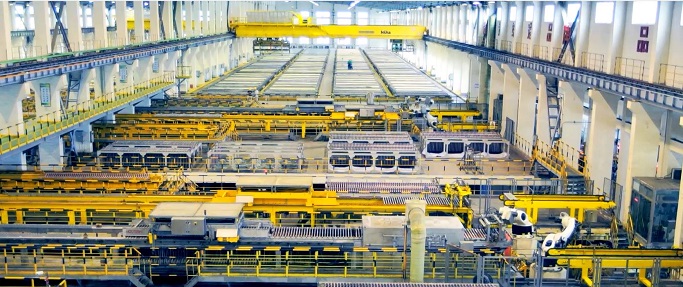
Three cable-planning models for a changing fabrication floor
No single distribution model fits every part of a pressure vessel workshop.
Dedicated heavy-machine feeders
Best fit: plate rolls, presses and fixed heat-treatment equipment. They make ownership clear, but future machine size and starting duty must be stated.
Fabrication-bay distribution
Best fit: welding, fit-up and rotating work that changes with vessel geometry. It supports movement, but bay limits and connection rules need disciplined records.
Test-area circuits
Best fit: hydrostatic pumps, instruments, drainage and controlled test operations. They protect a delivery milestone, although wet conditions and temporary test setups require clear boundaries.
A mixed approach usually reflects the factory better than repeating one feeder philosophy across every bay.
Follow the vessel from plate receipt to release
A pressure vessel factory power cable supplier should map the complete route: plate preparation, forming, fit-up, submerged arc welding, heat treatment, inspection and pressure testing. The schedule is controlled by handoffs between these stages.
A plate rolling machine cable serves a heavy drive whose duty depends on material thickness, diameter and operating method. A submerged arc welding cable supports equipment that may move along long seams and depend on extraction or positioners.
The hydrostatic test bay cable may appear late in the project, but unavailable pumps, drainage or test instruments can prevent a finished vessel from being accepted and shipped.
A six-point review before commercial comparison
Each point connects electrical information with a fabrication or delivery consequence.
1. Confirm machine duty
State motor ratings, starting method, expected cycles and material range for rolls, presses and positioners.
2. Map movable work
Show where welding sets, rotators and temporary equipment operate within each bay.
3. Identify shared extraction and air
A support-system feeder may affect several welding stations at once.
4. Separate hot and wet areas
Heat treatment and hydrostatic testing create different route conditions and maintenance practices.
5. Protect project traceability
Keep equipment marks, cable labels, test records and as-built changes connected.
6. State future vessel range
Larger diameters or heavier plate can change duty, bay use and material handling.
Decision matrix for critical fabrication loads
The matrix ranks loads by their effect on contract progress, not merely by kilowatts.
| Load group | If unavailable | Buyer question |
|---|---|---|
| Plate forming | Fit-up cannot begin | What material range and starting duty are expected? |
| Welding and positioners | Long seams and assemblies wait | Which stations share extraction, air or distribution? |
| Heat treatment | Inspection and release are delayed | Where are the hot route sections and controls? |
| Non-destructive examination support | Quality hold points cannot close | Which rooms or mobile systems require stable supply? |
| Hydrostatic testing | Completed vessels cannot ship | Are pumps, drainage, instruments and wet routes fully included? |
Scenario: larger vessels expose a test-bay constraint
Situation: A fabricator wins orders for larger vessels and upgrades its plate roll and welding positioners.
Finding: The expanded workshop can fabricate the shells, but the existing hydrostatic pumps, drainage arrangement and test-bay distribution were sized around smaller products.
Decision: The cable review is extended from the new machines to the final acceptance path, with separate records for fixed fabrication and wet test areas.
Expected result: The investment is evaluated against delivery completion rather than fabrication capacity alone.
Documentation that supports quality and maintenance teams
Cable evidence should be usable after commissioning and during project audits.
Approved construction data
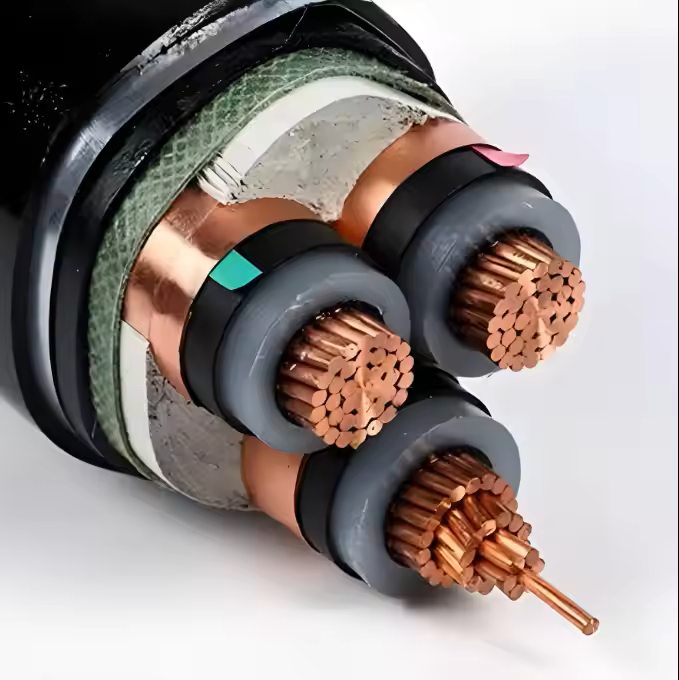
The record should connect conductor, insulation, sheath and armor decisions with the circuit and route.
Drum and length identification
Receiving and installation teams should know which bay or machine each delivery group supports.
Test documentation
Required routine or project-specific records should be agreed before production and shipment.
As-built revisions
Changes made around moving equipment or test setups should be reflected in the final circuit history.
Where proposals commonly overstate certainty
A trustworthy review shows what still needs project confirmation.
- Temporary welding arrangements may change between vessel sizes.
- Heat exposure should be marked by route section rather than assumed across the workshop.
- The cable supplier cannot determine final protective settings without the approved system design.
- Hydrostatic test layouts may vary, so wet-route and mechanical-protection details need site confirmation.
- A small workshop may use fewer distribution zones, but traceability and final-test availability remain important.
Visible limitations make supplier comparison more reliable because unanswered design responsibilities are not hidden inside general wording.
RFQ information for fabrication and final-test continuity
The inquiry should connect machine duty with contract flow, moving work and the final acceptance process.
- System voltage and frequency
- Load or cable schedule
- Motor ratings and starting method
- Route length and installation method
- Actual wet, dusty, hot, outdoor or mechanical conditions
- Required conductor, insulation, sheath and armor details
- Destination, delivery stages and required records
- plate thickness and vessel size range
- roll, press, welder and positioner duty
- heat-treatment and extraction dependencies
- hydrostatic test pumps and wet routes
- required approval, test and traceability records
For pressure vessel factory projects, references such as IEC 60502, IEC 60228 and IEC 60332 can help both sides use consistent terminology. They do not replace the approved specification or the buyer's responsibility to confirm the design.
How JINCHUAN Cable supports pressure vessel factory decisions
For pressure equipment manufacturers, fabrication engineers and project contractors evaluating the pressure vessel factory power cable supplier, JINCHUAN Cable can review fixed-machine feeders, fabrication-bay routes and test-area requirements as distinct parts of one delivery process.
The discussion can clarify cable construction, identification, packing and records while keeping final system design and protective coordination with the responsible engineer.
Buyers can review JINCHUAN Cable products and learn more about the JINCHUAN Cable company. Share the project purpose, critical loads, route conditions, quantities, destination and expected records to create a stronger basis for technical and commercial comparison.
Provide the fabrication flow, machine schedule, bay layout and test requirements so the quotation can address the stages that control vessel release.
FAQ
What should buyers expect from a pressure vessel factory power cable supplier?
Buyers should expect the proposal to connect cable construction with heavy motor duty, movable fabrication zones, test-bay consequence and document traceability, not merely repeat conductor sizes from a schedule.
Which part of the pressure vessel factory should be mapped first?
Start with plate preparation, forming, fit-up, welding, heat treatment, inspection, pressure testing and finishing. This shows which supporting loads can interrupt more than one production stage.
How should quotations for the pressure vessel factory be compared?
Compare the stated route assumptions, operating duty, included records, delivery grouping and exclusions beside price. That exposes scope differences before approval.
Which route conditions matter in a pressure vessel factory?
The inquiry should distinguish heavy fabrication floors, welding stations, movable work zones, heat-treatment areas, wet test bays and outdoor yards. Broad labels such as indoor or industrial are rarely precise enough for a useful review.
What hidden risk deserves attention in this project?
A common hidden risk is treating the hydrostatic test bay as a small utility area even though pumps, drainage and test schedules can delay final delivery. Its production consequence may be greater than the connected load suggests.
Should future changes be discussed before ordering?
Yes. larger vessel diameters, heavier plate, automated welding and expanded testing capacity can affect route capacity, circuit names, distribution space and the value of today's approval records.
Which records help after installation?
Useful records include bay and machine identities, approved duty assumptions, cable test documents, drum records and final route revisions. They help receiving, installation and maintenance teams connect each cable with its purpose.
Which technical references may support the discussion?
IEC 60502, IEC 60228 and IEC 60332 may provide common terminology, while the approved project specification remains the final design basis.
What should be sent with the first RFQ?
Send the cable or load schedule plus project details such as plate thickness and vessel size range, roll, press, welder and positioner duty, heat-treatment and extraction dependencies, hydrostatic test pumps and wet routes, required approval, test and traceability records. Clear inputs allow suppliers to identify assumptions instead of guessing.
How can JINCHUAN Cable support the pressure vessel factory?
JINCHUAN Cable can review the schedule, routes, operating conditions, quantities and required records against the result the buyer needs to protect: controlled heavy fabrication, reliable welding, dependable testing and traceable project handover.