A relay factory power cable supplier should support precision and long-cycle proof. Small products can create large queues when calibration references or endurance rigs are shared across several relay families.
The cable plan should connect winding, clean assembly, instruments and test occupancy with permanent identities that survive product variants.
This guide uses a before-and-after record, common myths and a release scenario.
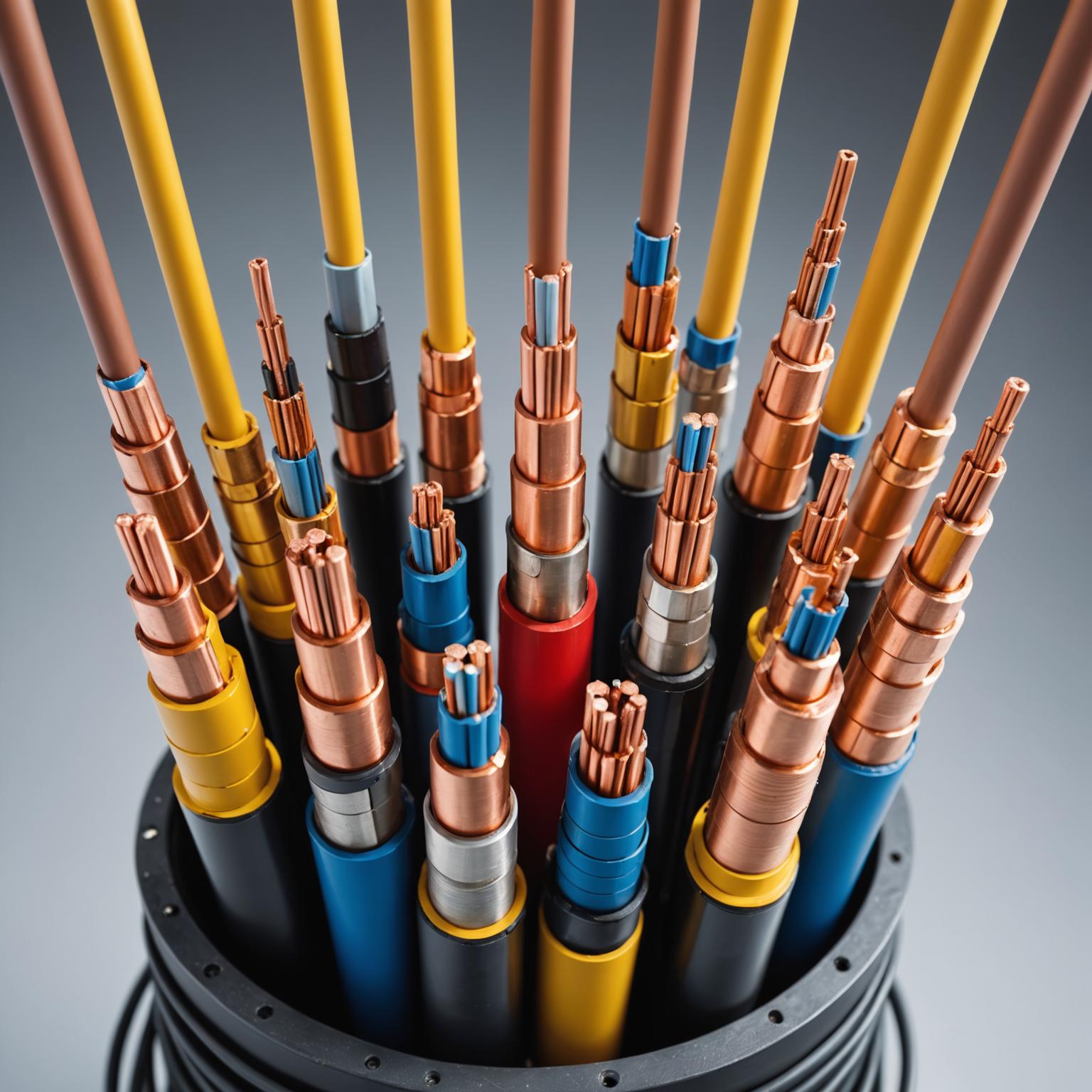
From workstation records to complete relay release records
The comparison shows how handover value improves.
Before: assembly-focused records
- Winders and assembly cells have names.
- Calibration fixtures use temporary product codes.
- Shared references and servers are hidden.
- Endurance cycles are outside the cable schedule.
After: quality-gate records
- Cells, benches and rigs use permanent identities.
- Coil and contact ranges are visible.
- Shared instruments and data systems are mapped.
- Cycle limits and revisions support future products.
Complete records make maintenance and product changes easier.
Four myths about relay factory infrastructure
These assumptions can hide quality risks.
Misconception: Small relays create small consequences
What to use instead: shared calibration or cycling rigs can stop many products.
Misconception: Calibration benches are standalone
What to use instead: they depend on references, instruments and servers.
Misconception: More winders increase shipments
What to use instead: assembly, calibration and endurance must absorb output.
Misconception: All clean rooms have the same priority
What to use instead: winding, calibration and test spaces have different operating roles.
Correcting these myths keeps released relays at the center of expansion.
Follow the relay from coil winding to endurance release
A useful relay factory power cable supplier begins by mapping wire and bobbin preparation, coil winding, contact and mechanism assembly, enclosure work, functional checks, calibration, endurance testing and packing. Every important cable group should be connected with production flow, quality or final release before suppliers are compared.
A relay coil winding cable supports precision winding and handling across different coil voltages and sizes.
A relay assembly line cable and relay endurance test bench cable belong to clean production and quality gates that depend on references, instruments, cycling duration and data systems.
Scenario: a new coil range fills calibration and endurance
Situation: A factory adds winding machines for a new control-relay family.
Finding: Coil production rises, but calibration fixtures and endurance cycles are longer for the new contact rating.
Decision: The buyer maps each relay through final quality gates and expands the affected benches and rigs.
Expected result: The project is measured by traceable released relays rather than wound coils.
Symptoms that reveal the relay test bottleneck
Use product queues to guide the next investment.
Symptom: Coils wait for assembly
Likely dependency: mechanism or contact cells are limiting Check: Measure station time and product mix.
Symptom: Assembled relays wait for calibration
Likely dependency: fixtures or references are limiting Check: Check ranges and shared instruments.
Symptom: Calibrated units wait for endurance
Likely dependency: cycling rigs or duration are limiting Check: Measure occupancy and simultaneous products.
Symptom: Several benches stop together
Likely dependency: server, reference or utility systems are shared Check: Map dependencies and standby.
The largest queue should determine the next cable scope.
Questions that improve a relay factory RFQ
The answers define product and quality-gate capacity.
Which coil and contact ranges are produced?
State normal and maximum families.
Which references are shared?
Map calibration sources and instruments.
How long are endurance cycles?
Provide rig occupancy and simultaneous products.
Which benches depend on servers?
Show data and control infrastructure.
Which records remain traceable?
Use permanent cells, benches and rig identities.
Clear answers improve scope while qualification remains with specialists.
Supplier scorecard for relay quality gates
Score evidence that protects precision and release.
| Criterion | Question | Evidence to request |
|---|---|---|
| Product range | Are coil and contact families stated? | Approved envelope |
| Instrument visibility | Are references and servers mapped? | Dependency list |
| Endurance capacity | Are cycles and occupancy visible? | Rig schedule |
| Traceability | Can records support new relays? | Permanent labels and revisions |
The strongest offer makes product evidence and future changes easy to verify.
RFQ details for relay calibration and endurance
The request should describe relay families, calibration and cycling capacity.
- System voltage and frequency
- Load or cable schedule
- Motor ratings and starting method
- Route length and installation method
- Actual wet, dusty, hot, outdoor or mechanical conditions
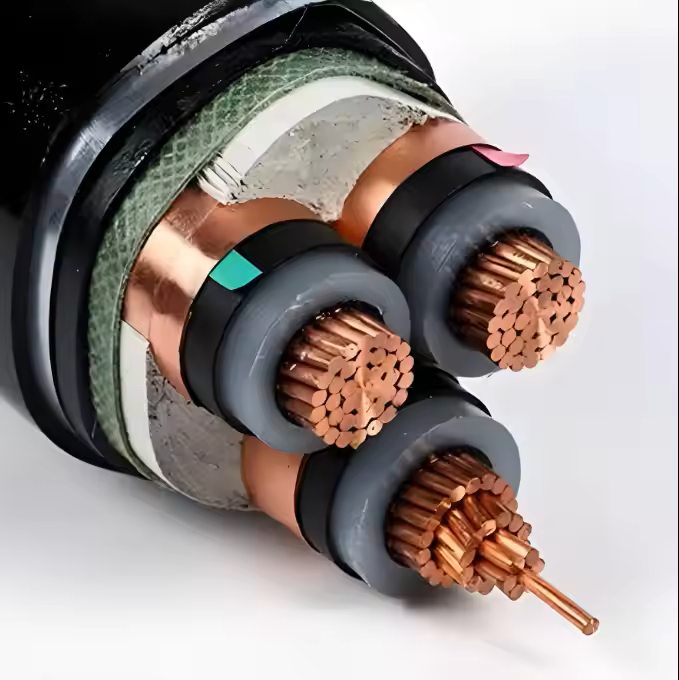
- Required conductor, insulation, sheath and armor details
- Destination, delivery stages and required records
- relay coil voltage and contact range
- winding and assembly cells
- calibration references and benches
- endurance cycles and rig capacity
- server, route, label and record requirements
For relay factory projects, references such as IEC 60502, IEC 60228 and IEC 60332 can help both sides use consistent terminology. They do not replace the approved specification or the buyer's responsibility to confirm the design.
How JINCHUAN Cable supports relay factory decisions
For relay manufacturers, control-component engineers and factory planners evaluating the relay factory power cable supplier, JINCHUAN Cable can review winding, assembly, calibration and endurance cable groups against the approved product and route inputs supplied by the buyer.
The proposal can clarify construction, identification, delivery and evidence while product qualification remains with responsible specialists.
Buyers can review JINCHUAN Cable products and learn more about the JINCHUAN Cable company. Share the project purpose, critical loads, route conditions, quantities, destination and expected records to create a stronger basis for technical and commercial comparison.
Send the relay family and test-occupancy map to obtain a quotation focused on traceable released products.
FAQ
What should buyers expect from a relay factory power cable supplier?
Buyers should expect the proposal to connect cable construction with clean production, coil consistency, calibration references, endurance occupancy, product variants and traceability, not merely repeat conductor sizes from a schedule.
Which part of the relay factory should be mapped first?
Start with wire and bobbin preparation, coil winding, contact and mechanism assembly, enclosure work, functional checks, calibration, endurance testing and packing. This shows which supporting loads can interrupt more than one production stage.
How should quotations for the relay factory be compared?
Compare the stated route assumptions, operating duty, included records, delivery grouping and exclusions beside price. That exposes scope differences before approval.
Which route conditions matter in a relay factory?
The inquiry should distinguish winding rooms, clean assembly cells, calibration benches, cycling rigs, instrument areas, servers and packing lines. Broad labels such as indoor or industrial are rarely precise enough for a useful review.
What hidden risk deserves attention in this project?
A common hidden risk is adding winding or assembly capacity while calibration and endurance rigs remain the release bottleneck. Its production consequence may be greater than the connected load suggests.
Should future changes be discussed before ordering?
Yes. new coil voltages, contact ratings, communications functions and automated test stations can affect route capacity, circuit names, distribution space and the value of today's approval records.
Which records help after installation?
Useful records include product-family, winding, bench and rig identities, rating ranges, instrument dependencies and final revisions. They help receiving, installation and maintenance teams connect each cable with its purpose.
Which technical references may support the discussion?
IEC 60502, IEC 60228 and IEC 60332 may provide common terminology, while the approved project specification remains the final design basis.
What should be sent with the first RFQ?
Send the cable or load schedule plus project details such as relay coil voltage and contact range, winding and assembly cells, calibration references and benches, endurance cycles and rig capacity, server, route, label and record requirements. Clear inputs allow suppliers to identify assumptions instead of guessing.
How can JINCHUAN Cable support the relay factory?
JINCHUAN Cable can review the schedule, routes, operating conditions, quantities and required records against the result the buyer needs to protect: stable coil winding, precise assembly, reliable calibration, controlled endurance testing and traceable release.