
A rice mill power cable supplier supports a production sequence that begins with intake and cleaning before moving through husking, separation, whitening, polishing, grading, color sorting and packing. Product quality depends on every stage remaining coordinated.
The cable schedule should follow the grain path and use the same equipment names recognized by mill operators. This makes it easier to locate faults, plan shutdown work and understand how a future capacity increase will affect supporting systems.
Rice quality depends on a sequence that cannot tolerate hidden bottlenecks
A rice husker power cable serves equipment that removes the outer layer while controlling breakage and throughput. Its operating consequence should be reviewed with feeders, aspirators and separators that determine whether material can move to the next stage.
A rice polishing cable supports machines that shape finished quality together with elevators and dust extraction. Clear floor and line identification helps maintenance teams trace the correct circuit in a compact multilevel mill.
Where cable decisions affect rice mill operations most
Sorting equipment needs stable production support
A grain sorting line cable may serve color sorters, compressors, conveyors and packing interfaces. These systems are sensitive to upstream flow, so the electrical record should show their connection with the finished-product line.
Dust extraction supports quality and housekeeping
Fans and filters may serve several milling or transfer points. Their cable feeders deserve clear priority because reduced extraction can affect production conditions across more than one floor.
Vertical material flow complicates route planning
Elevators and gravity chutes connect equipment on different levels. Cable lengths and drum groups should reflect actual routes and installation access rather than simple plan dimensions.
Packing lines change with market requirements
Bag sizes, weighing systems and palletizing arrangements can change while the core mill remains. Stable area names and spare route capacity make those commercial updates easier to manage.
Adding a color sorter to improve finished rice quality
A mill may add a higher-capacity color sorter and automated packing equipment to serve a premium market. The change also increases elevator, compressor, dust-control and finished-product handling loads.
The buyer maps the complete finishing route before finalizing cable groups. JINCHUAN Cable can then review the new circuits with their floor locations, shared utilities and commissioning sequence clearly identified.
This helps the new equipment enter service without creating an undocumented branch of the mill and gives future teams a practical record of the quality upgrade.
Choosing the right rice mill power cable supplier by business value
For rice processors, mill engineers and grain project contractors, supplier comparison should begin with the results the project must protect: continuous grain flow, stable product quality, reliable sorting and efficient packing. The cable proposal should show how its assumptions connect with those operating priorities.
Price still matters in rice mill projects, but it should be read beside route conditions, critical loads, cable identity and included scope. A lower figure can become expensive if installation teams later discover that the route or operating duty was misunderstood.
A useful rice mill proposal is clear to every project team. Engineering can understand construction and duty, purchasing can see the commercial scope, and maintenance can recognize how each cable will be identified after installation.
What reliable performance looks like in the rice mill
In day-to-day operation, reliable performance means continuous grain flow, stable product quality, reliable sorting and efficient packing. The cable system contributes by keeping critical feeders identifiable, matching construction assumptions to real routes and giving maintenance teams records they can use when production time is limited.
The buyer should be able to trace each important feeder from the distribution point to the equipment or process zone it supports. That connection makes maintenance decisions clearer and helps future expansion teams understand which parts of the rice mill infrastructure can be retained.
Clear mill records support product and capacity changes
Rice processors may add grading, polishing or packing capacity as market requirements change. Consistent equipment and floor names let new circuits connect with the existing production logic.
Approved cable information tied to those names also makes maintenance and repeat purchasing more dependable. Future teams can see which route and duty assumptions shaped each circuit.
Turning operating needs into clear cable requirements
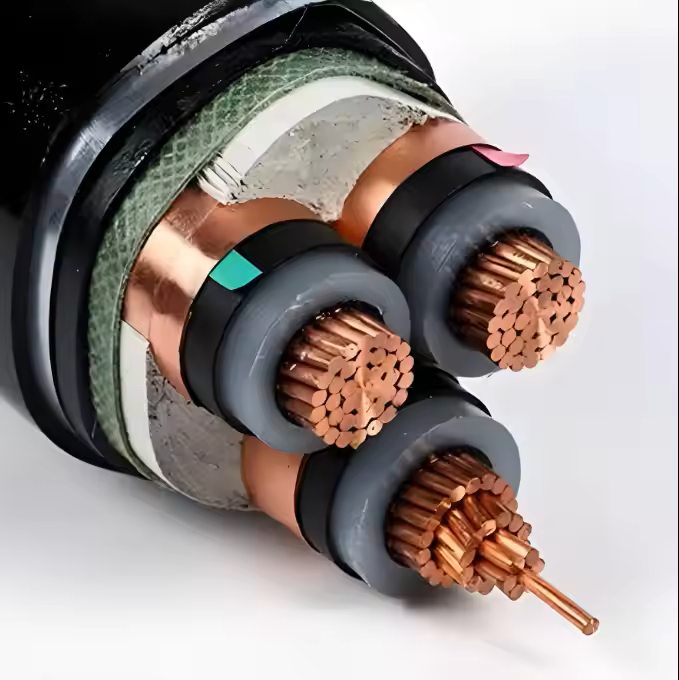
Voltage, conductor, insulation, sheath, armor, fire performance and motor duty should be discussed in relation to the rice mill route and operating consequence. Technical detail becomes useful when the buyer can connect it with a real load and location.
For rice mill projects, references such as IEC 60502, IEC 60228 and IEC 60332 can help both sides use consistent terminology. They do not replace the project specification or the buyer's responsibility to confirm the design.
How JINCHUAN Cable supports rice mill projects
For buyers evaluating the rice mill power cable supplier, JINCHUAN Cable can support rice mill projects by connecting husking, polishing, sorting, dust extraction and packing with vertical routes and motor duty. Buyers receive a cable discussion focused on product flow, quality control and future capacity.
rice mill buyers can explore JINCHUAN Cable products and learn more about the JINCHUAN Cable company. For a quotation, share the project purpose, critical loads, route conditions, cable schedule, quantities, destination and expected records.
That information allows JINCHUAN Cable to respond to the way the rice mill operates and gives the buyer a stronger basis for comparing offers, maintaining equipment and planning future expansion.
FAQ
What should buyers expect from the rice mill power cable supplier?
Buyers should expect a discussion that connects cable construction with critical loads, route conditions, maintenance needs and future plans for the rice mill.
Why is cable planning important for rice mill projects?
Cable planning for the rice mill supports uptime by keeping shared systems, operating conditions and circuit identity visible before installation.
Is the lowest cable price always the best value?
No. Supplier comparison for rice mill projects should include operating fit, route assumptions, records, packing and the risk of changes after approval.
How can buyers make the first inquiry more useful?
Describe what must keep running in the rice mill, then provide load, voltage, route, environment, quantity and document information.
Can JINCHUAN Cable review this type of rice mill project?
Yes. JINCHUAN Cable can review the rice mill cable schedule, loads, routes, site conditions, quantities and expected approval records.
Why do equipment and route names matter?
In rice mill projects, they help engineering, receiving, installation and maintenance teams connect every cable with its actual purpose.
Should future expansion be discussed before ordering?
Yes. Known rice mill expansion stages can affect route space, distribution capacity, circuit naming and the value of today's records.
Which technical references may be discussed?
Teams working on rice mill projects may discuss IEC cable and conductor references, while the approved specification remains the final basis for the order.
What information makes a supplier reply more useful?
For the rice mill, provide the load list, voltage, route, installation environment, operating dependencies, quantities, destination and required records.
How does a clear cable plan support the buyer?
It connects the rice mill cable decision with uptime, maintenance and growth, giving the buyer a practical basis for comparing suppliers.