
A soap factory power cable supplier should be judged by how well the proposal reflects the batch process, not by cable sizes alone. A new mixer can remain underused because heating, transfer or packing cannot keep pace.
The first question is therefore not which motor is largest. It is which interruption holds the batch, stops several machines or prevents finished soap from leaving production.
A diagnostic cable plan gives purchasing a clearer comparison and helps maintenance teams focus on the systems that actually control output.

Why a larger mixer may fail to increase daily output
A factory installs a higher-capacity mixer to reduce batch time, but transfer pumps, heating and the existing packing line remain unchanged.
The project team maps each batch stage and discovers that heating recovery and packing availability, not mixer volume, determine daily production.
JINCHUAN Cable can then review the affected cable groups around the complete capacity change instead of treating the mixer as an isolated purchase.
Follow the batch before looking for the electrical bottleneck
The production path covers raw-material dosing, mixing, heating, transfer, forming or cutting, curing and packing. Mixers, pumps, heaters and conveyors operate in sequence, so a smaller supporting load can delay a much larger batch asset.
For soap manufacturers, process engineers and batch-production project teams, the useful cable schedule connects those stages with stable area and equipment names. That makes installation scope easier to compare and gives maintenance teams records that reflect how the soap factory actually operates.
How to evaluate a soap factory power cable supplier without hiding the real risk
Three load groups usually reveal whether the proposal understands the production system.
The mixer is only productive when dosing and transfer remain available
The soap mixer power cable serves equipment whose value depends on pumps, dosing and discharge being coordinated. This is why its value should be judged by production consequence as well as electrical rating.
Identify vessel tags, starting duty, shared heating and the route between process and utility areas.
Heating determines batch time and product condition
The heating system cable may support heaters, circulation pumps and controls that protect several vessels. This is why its value should be judged by production consequence as well as electrical rating.
Show which loads are shared and where local heat changes the cable route.
Packing can become the final hidden constraint
The soap packing line cable connects wrappers, cartoners, conveyors and coding equipment that must receive finished product continuously. This is why its value should be judged by production consequence as well as electrical rating.
Use stable line names and include future format or automation changes.
Four reasons a technically acceptable offer can still disappoint
Only the main mixer is reviewed
Supporting pumps and heating may still limit production.
Chemical exposure is described too broadly
Different rooms and routes may require different assumptions.
Packing is considered after processing
Finished-product capacity should be checked with batch output.
Records are rebuilt after installation
Equipment tags and cable groups are more reliable when developed together.
A quick bottleneck map for soap production
Connect each area with the business consequence that makes its cable important.
| Area or signal | Why it matters | What to clarify |
|---|---|---|
| Dosing | Batch cannot start correctly | Pump tags and control dependency |
| Mixing and heating | Batch time and product condition | Motor duty, shared heat and route |
| Forming and curing | Work in process accumulates | Conveyors, fans and zone identity |
| Packing | Finished goods cannot ship | Line speed, format changes and spare capacity |
Four checks before the cable schedule is released
A short operational review can prevent most scope gaps before quotations are compared.
Mark every shared utility
Show which vessels depend on the same heat, air or transfer system.
Use permanent equipment tags
Avoid naming circuits after a temporary formula or customer order.
Separate chemical and dry routes
State actual exposure instead of using one factory-wide assumption.
Link delivery groups with installation
Organize drums around the planned work sequence and production shutdowns.
Information that turns the RFQ into a useful diagnosis
The inquiry should show the batch sequence and the systems shared between vessels, not only equipment ratings.
- System voltage and frequency
- Load or cable schedule
- Motor ratings and starting method
- Route length and installation method
- Actual wet, dusty, hot, outdoor or mechanical conditions
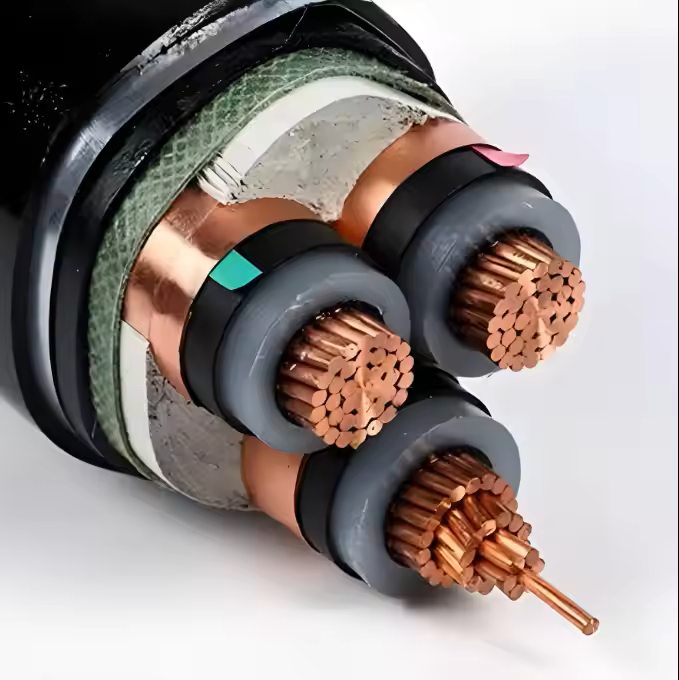
- Required conductor, insulation, sheath and armor details
- Destination, delivery stages and required records
- Vessel, pump and line tags
- Heating and transfer dependencies
- Chemical, wet and dry route boundaries
For soap factory projects, references such as IEC 60502, IEC 60228 and IEC 60332 can help both sides use consistent terminology. They do not replace the approved specification or the buyer's responsibility to confirm the design.
Where this diagnostic approach creates the most value
It is most useful for repeated batch systems, several shared utilities and factories where processing and packing capacity have grown at different times.
- New soap factories
- Mixer and vessel expansions
- Heating-system upgrades
- Additional packing formats
A small single-vessel workshop may need fewer documentation layers, but batch dependencies and route conditions should still be explicit.
How JINCHUAN Cable supports soap factory projects
For soap manufacturers, process engineers and batch-production project teams evaluating the soap factory power cable supplier, JINCHUAN Cable can connect mixer, heating, transfer and packing requirements with the batch bottlenecks the project must remove.
When the inquiry includes the process sequence and shared utilities, JINCHUAN Cable can prepare a proposal that is easier to compare on both technical scope and production value.
Buyers planning soap factory projects can review JINCHUAN Cable products and learn more about the JINCHUAN Cable company. Sharing the project purpose, critical loads, route conditions, quantities, destination and expected records creates a stronger basis for the next discussion.
That information helps JINCHUAN Cable connect cable construction with controlled batches, stable heating, reliable forming and predictable packing, rather than responding with a catalog-only quotation.
FAQ
What should buyers expect from the soap factory power cable supplier?
Buyers should expect a discussion that connects cable construction with critical loads, route conditions, maintenance needs and future plans for the soap factory.
Why is cable planning important for soap factory projects?
Cable planning for the soap factory supports uptime by keeping shared systems, operating conditions and circuit identity visible before installation.
Is the lowest cable price always the best value?
No. Supplier comparison for soap factory projects should include operating fit, route assumptions, records, packing and the risk of changes after approval.
How can buyers make the first inquiry more useful?
Describe what must keep running in the soap factory, then provide load, voltage, route, environment, quantity and document information.
Can JINCHUAN Cable review this type of soap factory project?
Yes. JINCHUAN Cable can review the soap factory cable schedule, loads, routes, site conditions, quantities and expected approval records.
Why do equipment and route names matter?
In soap factory projects, they help engineering, receiving, installation and maintenance teams connect every cable with its actual purpose.
Should future expansion be discussed before ordering?
Yes. Known soap factory expansion stages can affect route space, distribution capacity, circuit naming and the value of today's records.
Which technical references may be discussed?
Teams working on soap factory projects may discuss IEC cable and conductor references, while the approved specification remains the final basis for the order.
What information makes a supplier reply more useful?
For the soap factory, provide the load list, voltage, route, installation environment, operating dependencies, quantities, destination and required records.
How does a clear cable plan support the buyer?
It connects the soap factory cable decision with uptime, maintenance and growth, giving the buyer a practical basis for comparing suppliers.