
A starch processing plant cable supplier supports a process that may combine raw-material cleaning, milling, separation, washing, dewatering, drying and packing. Wet process equipment and thermal systems have different route conditions but depend on one another for continuous output.
Cable planning should divide the plant into real operating zones. Buyers need to distinguish wet floors, dry utility rooms, hot dryer areas and finished-product spaces so proposals reflect the environment maintenance teams will actually encounter.
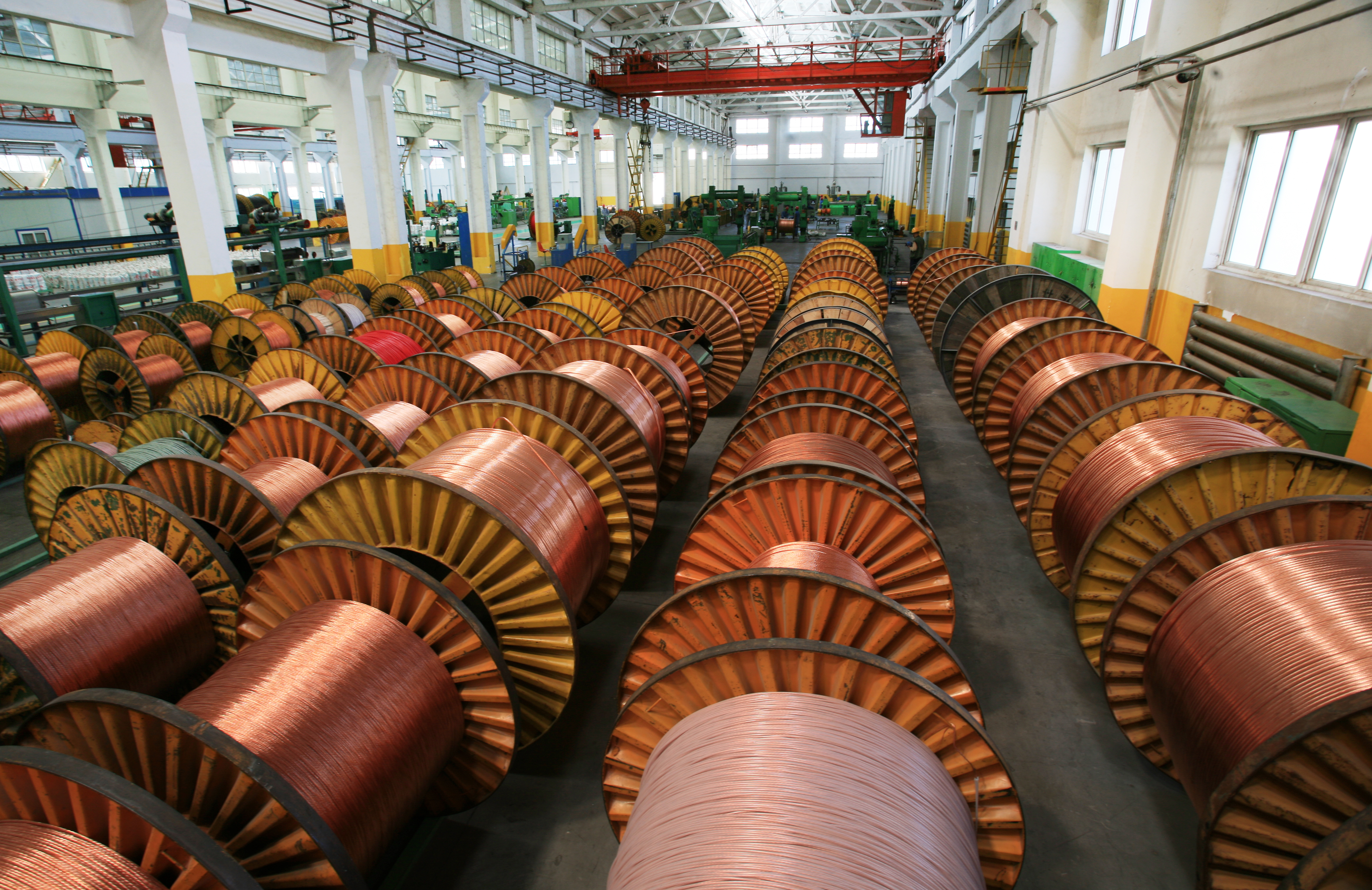
Wet processing and drying must operate as one production chain
A process pump cable may serve transfer, circulation or washing duties between tanks, screens and separators. Circuit names should follow the process stage and equipment tag because many pumps can appear similar while carrying very different production consequences.
A starch dryer power cable supports fans, heaters, feeders, drives and dust systems around the final moisture-removal stage. These circuits should be grouped by dryer zone so limited shutdown work can be planned without tracing long hot routes.
Where cable decisions affect starch processing plant operations most
Wet production areas need precise route boundaries
A wet production area cable discussion should identify washdown, standing moisture and access conditions by room. Broad descriptions make it difficult to compare proposals or confirm what construction assumption applies to each circuit.
Separation systems rely on shared utilities
Centrifuges, screens and process pumps may depend on cooling, compressed air or water treatment. Their utility feeders deserve clear identity because one interruption can affect several process stages.
Drying creates concentrated heat and dust
Dryer fans, burners, feeders and collection systems operate as one group. Route temperature and dust exposure should be identified locally instead of applying one assumption to the whole factory.
Finished powder handling affects saleable output
Conveying, sieving and packing systems determine whether dried starch can leave production. Smaller motors in this section can become a plant bottleneck and should remain visible in the cable schedule.
Increasing dryer capacity without overwhelming wet processing
A producer may install a larger dryer to increase finished starch output. The target also changes slurry feed, dewatering, air handling, dust collection and packing demand.
The project team reviews the full process balance and separates wet routes from dryer and packing areas. JINCHUAN Cable can then evaluate cable groups with each operating environment and commissioning stage clearly described.
This supports a more controlled expansion and helps the plant determine whether upstream and downstream equipment can achieve the intended capacity.
Choosing the right starch processing plant cable supplier by business value
For starch producers, process engineers and food ingredient project teams, supplier comparison should begin with the results the project must protect: stable wet processing, dependable separation, controlled drying and reliable product handling. The cable proposal should show how its assumptions connect with those operating priorities.
Price still matters in starch processing plant projects, but it should be read beside route conditions, critical loads, cable identity and included scope. A lower figure can become expensive if installation teams later discover that the route or operating duty was misunderstood.
A useful starch processing plant proposal is clear to every project team. Engineering can understand construction and duty, purchasing can see the commercial scope, and maintenance can recognize how each cable will be identified after installation.
What reliable performance looks like in the starch processing plant
In day-to-day operation, reliable performance means stable wet processing, dependable separation, controlled drying and reliable product handling. The cable system contributes by keeping critical feeders identifiable, matching construction assumptions to real routes and giving maintenance teams records they can use when production time is limited.
The buyer should be able to trace each important feeder from the distribution point to the equipment or process zone it supports. That connection makes maintenance decisions clearer and helps future expansion teams understand which parts of the starch processing plant infrastructure can be retained.
Process-zone records make later product changes easier
Starch plants may add grades, modified products or different packing formats while keeping much of the core process. Stable zone and equipment names help new circuits connect with existing records.
When approved cable information remains linked with those names, future teams can compare changed duty and route conditions without repeating the entire plant survey.
Turning operating needs into clear cable requirements
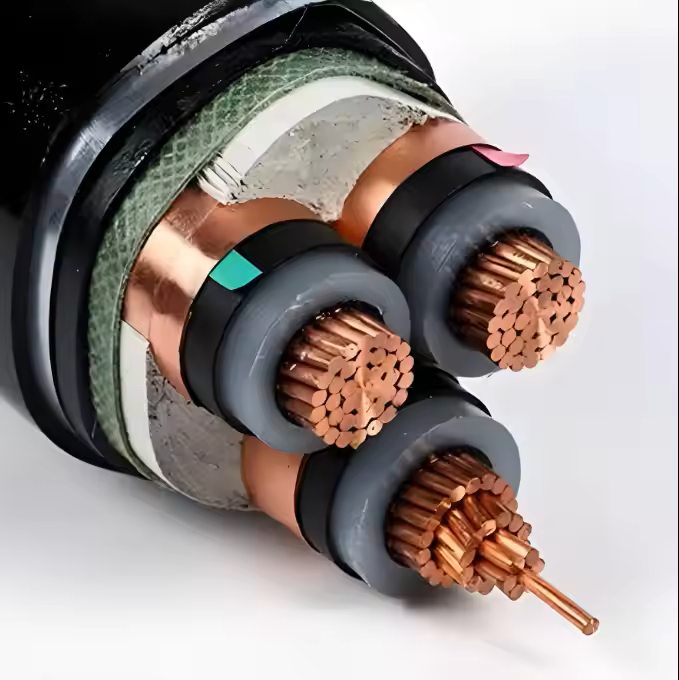
Voltage, conductor, insulation, sheath, armor, fire performance and motor duty should be discussed in relation to the starch processing plant route and operating consequence. Technical detail becomes useful when the buyer can connect it with a real load and location.
For starch processing plant projects, references such as IEC 60502, IEC 60228 and IEC 60332 can help both sides use consistent terminology. They do not replace the project specification or the buyer's responsibility to confirm the design.
How JINCHUAN Cable supports starch processing plant projects
For buyers evaluating the starch processing plant cable supplier, JINCHUAN Cable can support starch processing projects by connecting wet separation, pumps, drying and finished-product handling with the distinct route conditions across the plant. Buyers gain a proposal focused on continuous operation and maintainable expansion.
starch processing plant buyers can explore JINCHUAN Cable products and learn more about the JINCHUAN Cable company. For a quotation, share the project purpose, critical loads, route conditions, cable schedule, quantities, destination and expected records.
That information allows JINCHUAN Cable to respond to the way the starch processing plant operates and gives the buyer a stronger basis for comparing offers, maintaining equipment and planning future expansion.
FAQ
What should buyers expect from the starch processing plant cable supplier?
Buyers should expect a discussion that connects cable construction with critical loads, route conditions, maintenance needs and future plans for the starch processing plant.
Why is cable planning important for starch processing plant projects?
Cable planning for the starch processing plant supports uptime by keeping shared systems, operating conditions and circuit identity visible before installation.
Is the lowest cable price always the best value?
No. Supplier comparison for starch processing plant projects should include operating fit, route assumptions, records, packing and the risk of changes after approval.
How can buyers make the first inquiry more useful?
Describe what must keep running in the starch processing plant, then provide load, voltage, route, environment, quantity and document information.
Can JINCHUAN Cable review this type of starch processing plant project?
Yes. JINCHUAN Cable can review the starch processing plant cable schedule, loads, routes, site conditions, quantities and expected approval records.
Why do equipment and route names matter?
In starch processing plant projects, they help engineering, receiving, installation and maintenance teams connect every cable with its actual purpose.
Should future expansion be discussed before ordering?
Yes. Known starch processing plant expansion stages can affect route space, distribution capacity, circuit naming and the value of today's records.
Which technical references may be discussed?
Teams working on starch processing plant projects may discuss IEC cable and conductor references, while the approved specification remains the final basis for the order.
What information makes a supplier reply more useful?
For the starch processing plant, provide the load list, voltage, route, installation environment, operating dependencies, quantities, destination and required records.
How does a clear cable plan support the buyer?
It connects the starch processing plant cable decision with uptime, maintenance and growth, giving the buyer a practical basis for comparing suppliers.