
A wire rope factory power cable supplier should plan for synchronized long lines and heavy material movement. Drawing speed alone does not create shipped rope when stranding, closing, handling or proof testing cannot keep pace.
The buying task is to assign clear responsibility for every production handoff and preserve records that remain useful when rope diameter or reel size changes.
This guide combines an owner playbook, decision questions and a proof-test scenario.
Who should produce each input before the cable order?
Clear ownership prevents critical route and duty data from remaining between departments.
| Work stage | Primary owner | Required output |
|---|---|---|
| Product range | Production engineering | Rope diameters, construction, reel sizes and output target |
| Machine duty | Electrical and equipment teams | Motor, starting, synchronized drive and cycle data |
| Route conditions | Plant engineering | Long runs, furnaces, lubrication, traffic and test-bed zones |
| Delivery sequence | Construction and logistics | Drum groups matched to installation stages |
| Handover evidence | Quality and maintenance | Labels, cable records, tests and final revisions |
The supplier can respond more accurately when every required input has an owner and an approved output.
A flow table for drawing, stranding and proof release
The table shows where an isolated equipment quotation can miss the production chain.
| Stage | Shared dependency | Failure consequence |
|---|---|---|
| Wire drawing | Cooling, lubrication and take-up | Downstream wire supply stops |
| Heat treatment or coating | Furnace, bath, fans and handling | Wire properties or availability are affected |
| Bunching and stranding | Reel supply, synchronized drives and cranes | Work in process accumulates |
| Rope closing | Large reels, lubrication and handling | Finished rope cannot progress |
| Proof testing | Test bed, controls and load equipment | Completed rope cannot be released |
Rank cable priority by the amount of production and acceptance it protects.
Trace wire and reel movement across the full rope line
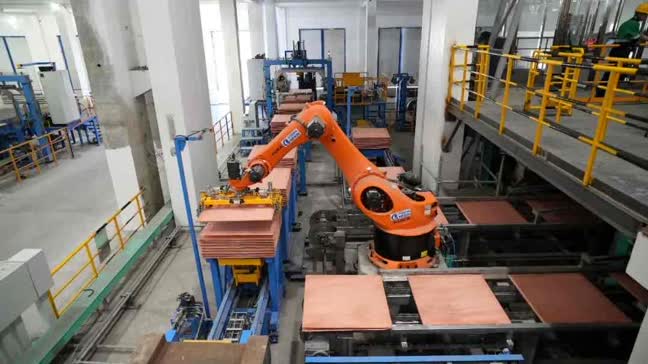
A useful wire rope factory power cable supplier begins by mapping rod preparation, wire drawing, heat treatment or coating, bunching, stranding, rope closing, lubrication, proof testing and packing. The schedule should connect every important cable group with production flow, quality or final release before suppliers are compared.
A wire drawing line cable supports multiple synchronized blocks, cooling, lubrication and take-up equipment across a long route. Machine and zone identities should match physical line sections.
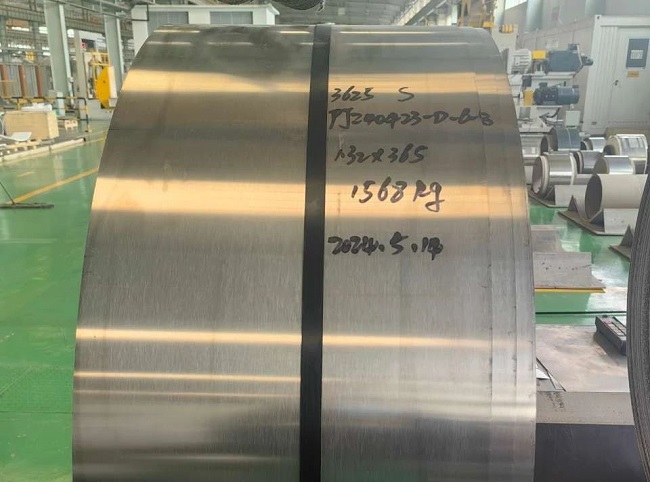
A rope stranding machine cable may serve large rotating equipment and heavy reels. A wire rope proof test cable belongs to final acceptance and needs the approved load range, bed length and test procedure.
Scenario: faster stranders overwhelm the proof-test bed
Situation: A factory adds stranding capacity for larger mining and lifting ropes.
Finding: Closing and lubrication can support the change, but proof tests require longer setup and higher-capacity handling for the heavier reels.
Decision: The buyer defines the new test envelope and includes test-bed, crane and route changes in the cable review.
Expected result: The project is evaluated by released rope tonnage and the final acceptance limit is visible before commissioning.
Questions purchasing should ask before comparing quotations
Each answer reveals an assumption that affects technical fit or commercial scope.
Which lines share cooling or lubrication?
The dependency map should show how one feeder affects several drawing or stranding sections.
How are heavy reels moved?
Crane, transfer and aisle routes should be included where they affect installation and production.
What is the largest approved proof test?
Provide load, length, duration and handling information from the test plan.
How will long routes be delivered?
Drum lengths and groups should match line sections and the construction sequence.
Which records support repeat products?
Use permanent line and test-bed names with approved cable data and revisions.
A supplier that answers these questions clearly gives the buyer a stronger basis for selection.
Audit the cable scope for long-line omissions
Confirm these details before final approval.
- Drawing-line cooling and lubrication are mapped.
- Reel cranes and handling are connected with each process stage.
- Furnace, coating and ordinary routes are separated.
- Proof-test duty and test-bed limits are documented.
- Drum allocation, labels and final records are included.
The audit reduces rework along routes that are difficult to trace after equipment is installed.
Where should the next wire-rope capacity investment go?
Use production data to select the branch that matches the current queue.
Wire preparation is limiting
Review drawing blocks, cooling, treatment and take-up capacity.
Stranding is limiting
Check synchronized drives, reel flow and shared handling.
Closing and lubrication are limiting
Map rope size, equipment duty and material transfer.
Proof testing is limiting
Define load range, test occupancy, handling and acceptance evidence.
The cable package should support the investment that converts work in process into released rope.
RFQ information for wire rope line balance
The request should combine product range, long-line routes and proof-test requirements.
- System voltage and frequency
- Load or cable schedule
- Motor ratings and starting method
- Route length and installation method
- Actual wet, dusty, hot, outdoor or mechanical conditions
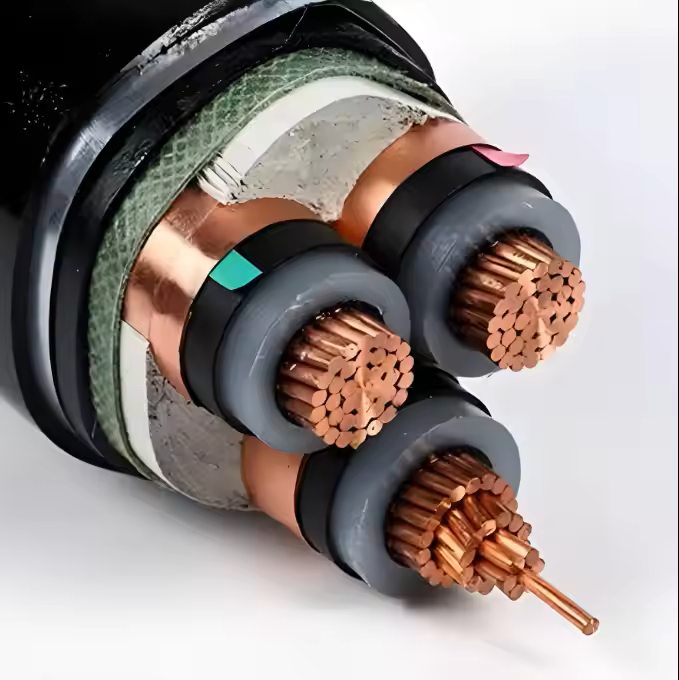
- Required conductor, insulation, sheath and armor details
- Destination, delivery stages and required records
- rope diameter and construction range
- drawing, stranding and closing machine duty
- reel weights and handling equipment
- heat, coating and lubrication routes
- proof-test load, length and records
For wire rope factory projects, references such as IEC 60502, IEC 60228 and IEC 60332 can help both sides use consistent terminology. They do not replace the approved specification or the buyer's responsibility to confirm the design.
How JINCHUAN Cable supports wire rope factory decisions
For steel wire rope manufacturers, drawing-line engineers and factory contractors evaluating the wire rope factory power cable supplier, JINCHUAN Cable can review long production-line, heavy handling and proof-test cable groups against the buyer's approved inputs.
The proposal can make route, construction, delivery and evidence clear while final machinery safety and test procedures remain with qualified teams.
Buyers can review JINCHUAN Cable products and learn more about the JINCHUAN Cable company. Share the project purpose, critical loads, route conditions, quantities, destination and expected records to create a stronger basis for technical and commercial comparison.
Send the product flow and test-bed envelope to obtain a quotation linked with released wire rope and future reel or diameter changes.
FAQ
What should buyers expect from a wire rope factory power cable supplier?
Buyers should expect the proposal to connect cable construction with long production lines, reel handling, synchronized drives, lubrication, proof testing and traceability, not merely repeat conductor sizes from a schedule.
Which part of the wire rope factory should be mapped first?
Start with rod preparation, wire drawing, heat treatment or coating, bunching, stranding, rope closing, lubrication, proof testing and packing. This shows which supporting loads can interrupt more than one production stage.
How should quotations for the wire rope factory be compared?
Compare the stated route assumptions, operating duty, included records, delivery grouping and exclusions beside price. That exposes scope differences before approval.
Which route conditions matter in a wire rope factory?
The inquiry should distinguish long drawing lines, furnace or coating areas, heavy reel aisles, stranding bays, lubrication zones, test beds and outdoor handling. Broad labels such as indoor or industrial are rarely precise enough for a useful review.
What hidden risk deserves attention in this project?
A common hidden risk is adding drawing or stranding speed without checking reel handling, rope closing and proof-test occupancy. Its production consequence may be greater than the connected load suggests.
Should future changes be discussed before ordering?
Yes. larger rope diameters, heavier reels, faster stranders and longer or higher-capacity test beds can affect route capacity, circuit names, distribution space and the value of today's approval records.
Which records help after installation?
Useful records include line, machine and test-bed identities, reel-handling dependencies, route notes, approved duty and product revisions. They help receiving, installation and maintenance teams connect each cable with its purpose.
Which technical references may support the discussion?
IEC 60502, IEC 60228 and IEC 60332 may provide common terminology, while the approved project specification remains the final design basis.
What should be sent with the first RFQ?
Send the cable or load schedule plus project details such as rope diameter and construction range, drawing, stranding and closing machine duty, reel weights and handling equipment, heat, coating and lubrication routes, proof-test load, length and records. Clear inputs allow suppliers to identify assumptions instead of guessing.
How can JINCHUAN Cable support the wire rope factory?
JINCHUAN Cable can review the schedule, routes, operating conditions, quantities and required records against the result the buyer needs to protect: stable wire preparation, balanced stranding, reliable closing and dependable proof-test release.