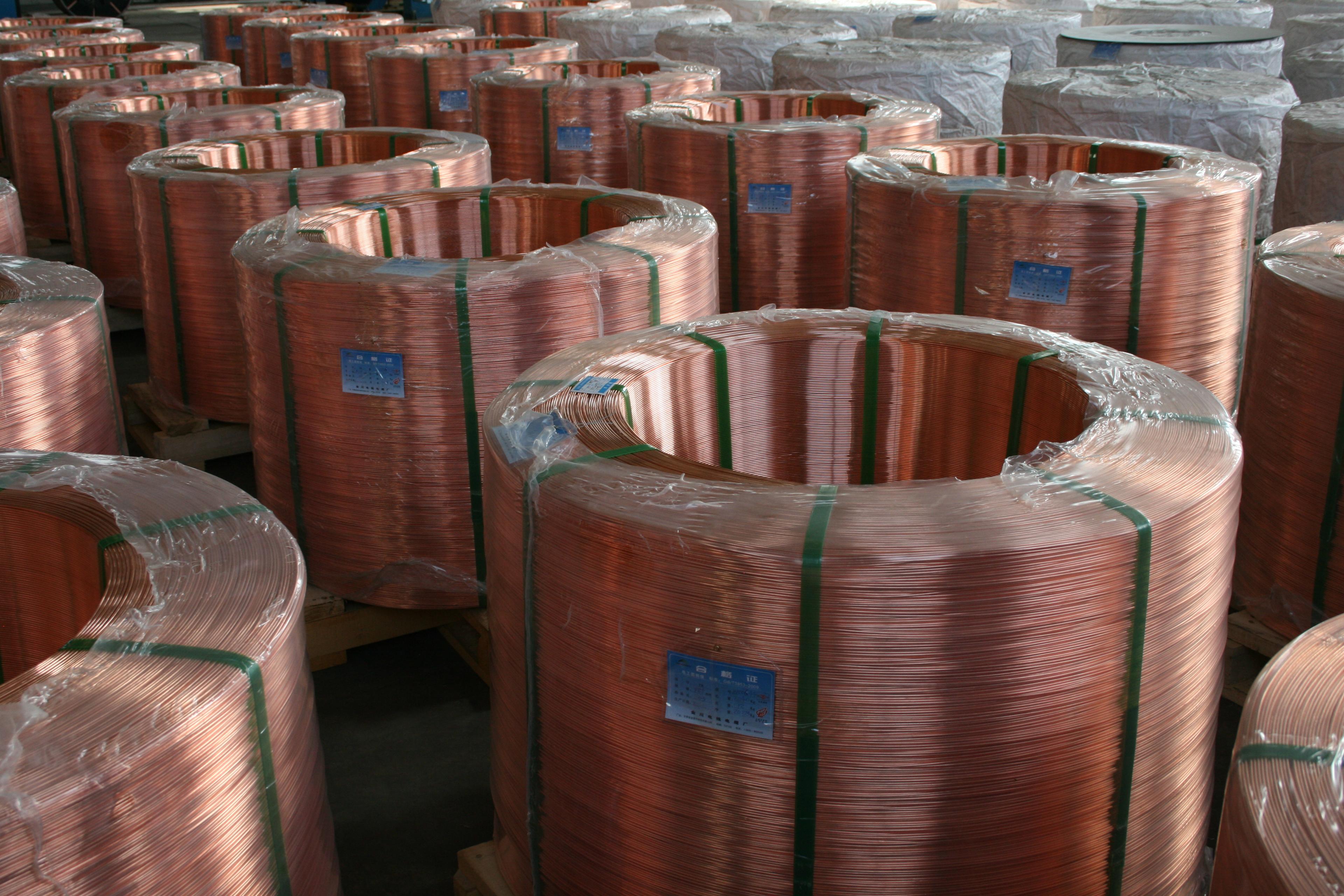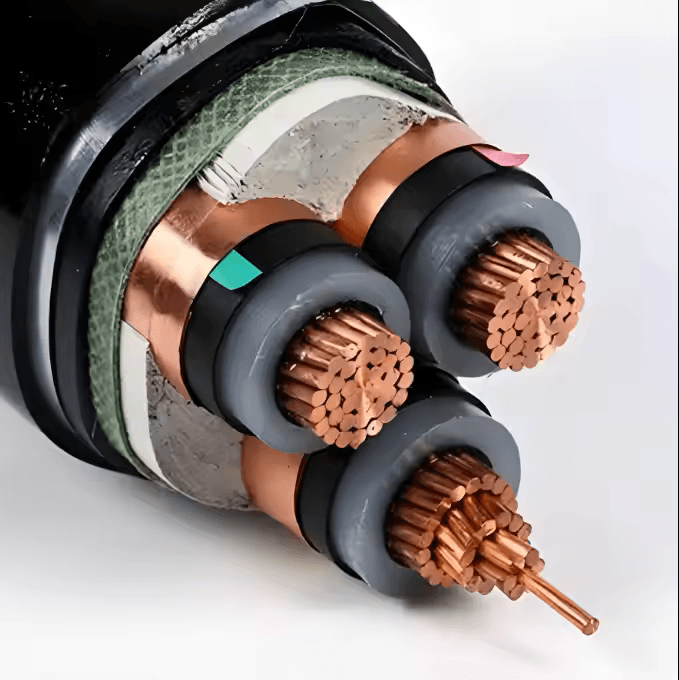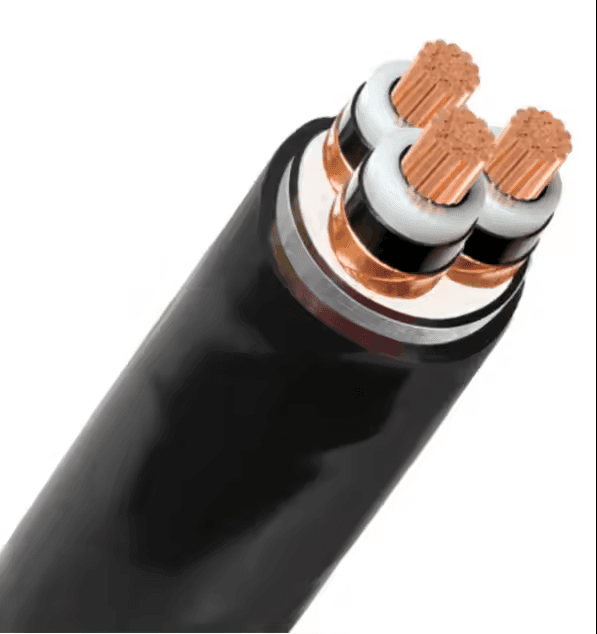

A cable drum is the largest item many sites handle without treating it as heavy equipment. Cable drum handling plan work begins long before the truck arrives, while access, ground, lifting points and cable direction are still easy to change.
The consequences of a rushed delivery are practical rather than theoretical: a drum left at the wrong end of a route, a stand that rotates against the cable, an axle that was never meant to carry the load, or a bend that nobody records.
This guide follows a delivery and pay-off day. It covers the survey, the data the site team needs, the handling decision, and the point where responsibility passes from the transporter to the installation crew.
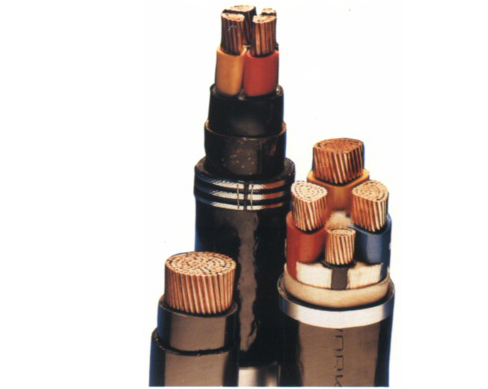
The Delivery Decision Starts Weeks Before the Truck Arrives
Most handling problems are created by one early decision: where the drum will stand. That choice fixes the access route, the lifting plan, the pay-off direction and how much cable has to be moved after it leaves the drum.
A site that reserves the final position, checks ground condition and books lifting equipment in advance usually spends an hour on the delivery. One that does none of those things can spend a day, and may damage the cable while solving the problem.
A workable cable drum handling plan names the receiving authority, the route, the standing position, the lifting method and the discipline that will control the drum during pay-off.
A cable drum handling plan should fix the standing position, the pay-off face and the lifting method before the transport is booked.
Survey the Route From Gate to Standing Position
Walk the drum to its position before it is loaded, not after.
Measure the access
Check gate width, turning circles, overhead lines, pipe bridges and any low structure the transporter must pass.
Check the ground
Confirm bearing capacity along the route and at the standing position, including drainage and recently backfilled areas.
Confirm the position
Mark where the drum will stand, which face pays off and where the pulling equipment will be set.
Name the authority
Record who accepts the delivery, who controls the lift and who signs the condition report.
Ask for drum weight and dimensions early, because the cable drum handling plan depends on figures that appear only on the packing list.
Drum Data the Site Team Actually Needs
Ask for these figures before the transport is booked.
| Data | Why the site needs it | Where it comes from |
|---|---|---|
| Drum diameter | Sets the smallest bending the cable sees during pay-off | Supplier packing sheet |
| Overall width | Determines stand, axle and access clearance | Supplier packing sheet |
| Gross weight | Sizes the crane, forklift or trailer | Packing list |
| Core or bore type | Shows whether the drum can be lifted on an axle | Drum drawing |
| Cable length and size | Confirms pull length and expected tension | Delivery documents |
| Direction of winding | Links pay-off direction to route and reel position | Supplier and installer |
One missing figure usually becomes a waiting hour on site, so collect them in a single sheet before the delivery is confirmed.
When the access route changes, the cable drum handling plan has to change with it and be reissued to the crew on site.
The Crane Was Booked for the Wrong Day
Situation: A drum weighing several tonnes arrives on a flatbed while the crane is booked for the following morning. The transporter offers to roll the drum down a short ramp to keep the delivery on schedule.
Finding: The ramp is short, the ground is soft after rain, and rolling the drum would put the cable's own weight onto the outer layers. Nobody holds a written method for rolling, or a plan for stopping a drum that starts moving.
Decision: The receiving authority refuses the roll, keeps the drum on the trailer, arranges a controlled lift inside the booked window and records the delay.
Result: The cable reaches the stand undamaged, and the delivery note records the handling method that was actually used rather than one that was only discussed.
Reel stand setup should be checked against the drum's winding direction so the cable leaves in a straight line.
Handling Risks That Appear After the Truck Leaves
The transporter is gone by the time most damage happens.
- A drum left standing on soft ground that settles overnight.
- A stand that lets the drum touch the ground while cable is being pulled.
- A pull started before the drum rotates freely on its axle.
- A cable leaving the drum at a sharp angle rather than a straight tangent.
- A drum rolled in the wrong direction so the cable unwinds against its own lay.
- Weather left uncovered until the drum is finally opened.
Each of these is easy to control once the standing position, the rotation direction and the covering routine are part of one written method.
Include cable drum handling plan requirements, access limits and lifting responsibility in the RFQ so deliveries match what the site can accept.
Match Handling Method to Drum Size and Access
Choose the method from the site conditions, not from habit.
| Situation | Preferred approach | Watch for |
|---|---|---|
| Firm access, crane available | Direct lift to the stand | Lifting points and sling angle |
| Restricted access | Trailer-mounted stand with staged pay-off | Axle rating and free rotation |
| Soft ground or level changes | Load-spreading platform under the stand | Settlement after rain |
| Long outdoor storage | Raised, covered position | Drainage and ventilation |
| Short pull with a small drum | Fixed axle and manual control | Rotation speed and stopping |
The cheapest method is the one that suits the drum and the ground it stands on, because a damaged drum is never recovered cheaply.
Pay-Off Direction Is a Construction Decision
The direction the cable leaves the drum decides which way the drum has to rotate. If the drum is set with the wrong face towards the route, the cable either crosses the flange or unwinds against the winding direction and takes a set that cannot be straightened later.
That is why the standing position belongs to the installation plan rather than the transport plan. A cable drum handling plan should show the route, the drum face and the rotation direction on the same drawing the crew uses.
Where the route turns soon after the drum, plan roller positions before pay-off begins. A short straight run from drum to first roller costs little and prevents sideways loading at the flange.
Control the Drum While Cable Is Leaving It
Rotation and cable exit are the two conditions to hold.
Keep rotation free
Confirm the drum turns on its axle or rollers without contact and without needing manual assistance.
Hold the tangent
Set rollers so the cable leaves in line with its winding and runs straight to the first change of direction.
Stop cleanly
Agree the communication and braking method before the pull starts, and keep the area behind the drum clear.
Protect the flange
Record any contact with the flange and inspect the outer cable surface before the drum is returned or scrapped.
Questions to Settle in the Delivery Meeting
A short meeting resolves the assumptions that would otherwise surface on the morning of delivery.
- Who receives the drum and signs the condition report.
- Which lifting method and equipment are approved for this drum.
- Where the drum stands and which face pays off.
- How the pull stops if the crew loses communication.
- What happens to the drum and remaining cable after pay-off.
- Who covers the drum if the work is postponed.
Settling these six points takes minutes before delivery and saves hours after it.
A Clean Handover Protects the Cable and the Schedule
The value of planning this day is not procedural tidiness. A drum that reaches the right position with the correct face forward pays off in a straight line, needs less pulling effort and leaves the outer layers in the condition the cable was tested for.
It also protects the programme. Handling damage found later forces a joint, a re-pull or a replacement, and every one of those outcomes costs more than the crane hour that was saved.
Treat the cable drum handling plan as part of the installation method statement, and delivery becomes a controlled step rather than an unplanned event.
RFQ Inputs for Drum Data and Delivery Handling
Describe the site with the enquiry so the offer can carry the drum sizes, packing and delivery information the handling plan needs.
- cable sizes, lengths, drum lengths and preferred drum construction
- maximum drum weight, diameter and width the site can receive
- access limits, lifting equipment and standing position constraints
- packing, protection and covering expected during transport and storage
- drum marking for cable size, length and direction
- delivery sequence against the installation programme
- condition reporting, photographic evidence and receiving documents
- drum return, deposit or disposal terms
Technical references such as IEC 60502, IEC 60228 and IEC 60332 can align cable construction and test terminology. The approved project specification, applicable local rules and qualified design authority still govern the final system decision.
JINCHUAN Cable Support for cable delivery and site installation
JINCHUAN Cable can provide drum dimensions, weights and packing details early so the site can plan access and lifting before delivery is confirmed.
Review the cable range and the production information, then send the site constraints with the schedule.
Walk the drum to its standing position before the truck is booked, and record who controls the lift and the pull.
FAQ
What should a cable drum handling plan include?
It should name the access route, standing position, lifting method, pay-off direction, controlling personnel and the condition record.
Why is drum weight needed before delivery?
Weight sizes the crane, forklift or trailer and confirms whether the route and ground can accept the load.
Can a cable drum be rolled off a truck?
Rolling is used for some small drums, but it should follow a written method controlling speed, direction, ground condition and stopping.
What does the direction of winding affect?
It decides which face of the drum must point towards the route so the cable unwinds the way it was wound.
How should a drum be stored on site?
Raised clear of the ground, on firm drained ground, covered against weather and held or rotated as the manufacturer instructs.
Is a reel stand always required?
Not always, but a stand or equivalent support keeps rotation free and the cable leaving the drum in a straight line.
What is the purpose of the plan?
It keeps the drum, the lifting equipment and the cable under one delivery method with clear responsibility.
Who signs the delivery condition report?
The receiving authority should sign, with photographs of the drum, flange and cable surface where practical.
What if the delivery is postponed?
Keep the drum covered and raised, and record the storage condition when the work resumes.
How can JINCHUAN Cable support delivery planning?
JINCHUAN Cable can supply drum data, packing details and handling notes so the site plan matches the drums that arrive.