
An aluminum can factory cable supplier should plan for how the line will start, not only how it will look when fully complete. Presses, washers, ovens, inspection and palletizing may enter service in different phases.
A phased cable plan separates permanent infrastructure from temporary commissioning needs and keeps every line section connected with its final equipment identity.
This reduces rushed changes during startup and makes it easier to prove that shared air, cooling and handling systems are ready for high-speed production.
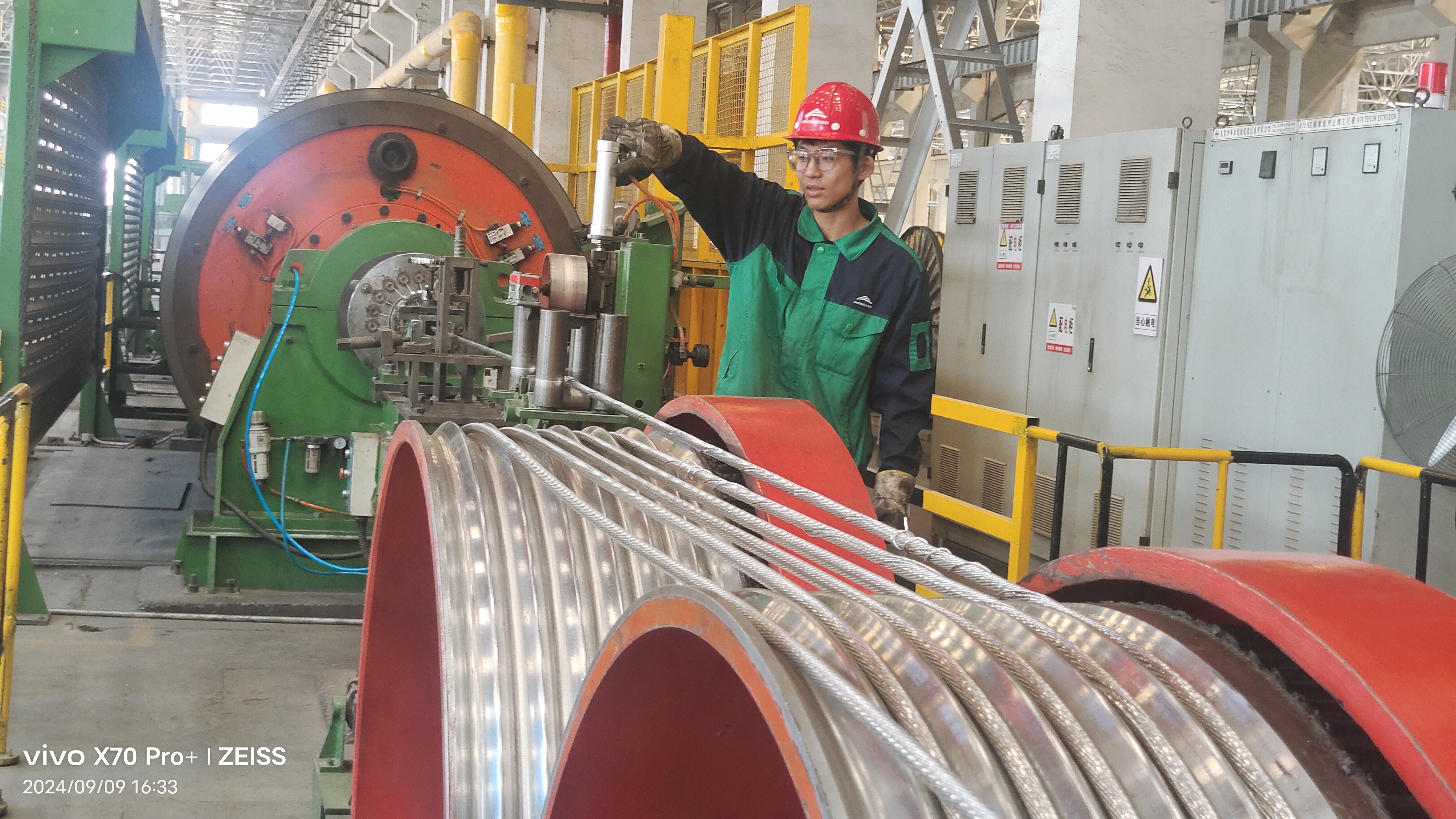
A line startup delayed by one shared compressor feeder
Machine packages are mechanically complete, but compressed-air distribution and its permanent feeder are scheduled for a later construction phase.
Bodymaker trials remain limited, and several teams perform temporary work that must be removed before final handover.
A phased cable plan would place shared utilities before equipment trials and give JINCHUAN Cable clearer delivery groups for each stage.
Build the cable package around commissioning gates
Each gate should end with identifiable permanent circuits and records, not temporary arrangements.
Gate 1: shared utilities
Complete air, cooling and ventilation feeders first.
Gate 2: production sections
Energize presses and bodymakers by stable line zones.
Gate 3: thermal and quality systems
Commission ovens, inspection and associated auxiliaries.
Gate 4: sustained output
Validate packing, palletizing and final line balance.
How to evaluate an aluminum can factory cable supplier for phased startup
The strongest proposal shows how critical loads, routes and records develop through each commissioning stage.
Bodymakers require stable drives and shared utilities
The can bodymaker power cable supports high-speed equipment whose output depends on air, cooling and upstream cup supply. This is why its value should be judged by production consequence as well as electrical rating.
Show line identity, motor duty, shared systems and final route access.
Ovens create a separate thermal work zone
The curing oven cable may serve fans, burners, conveyors and controls distributed along a hot process. This is why its value should be judged by production consequence as well as electrical rating.
Clarify route heat, zone labels and the auxiliary startup sequence.
Packing must be ready for commissioning output
The can packing line cable connects inspection, conveyors, palletizers and handling after high-speed production. This is why its value should be judged by production consequence as well as electrical rating.
Include temporary startup flow, final speed and future line additions.
RFQ information should follow the commissioning calendar
Cable quantities alone do not show when each group is needed or which equipment package it unlocks.
- System voltage and frequency
- Load or cable schedule
- Motor ratings and starting method
- Route length and installation method
- Actual wet, dusty, hot, outdoor or mechanical conditions
- Required conductor, insulation, sheath and armor details
- Destination, delivery stages and required records
- Commissioning gates and required dates
- Shared air and cooling dependencies
- Line-zone drum and labeling plan
For aluminum can factory projects, references such as IEC 60502, IEC 60228 and IEC 60332 can help both sides use consistent terminology. They do not replace the approved specification or the buyer's responsibility to confirm the design.
High line speed makes small integration gaps visible quickly
The production path covers coil handling, cupping, bodymaking, washing, coating, curing, inspection and palletizing. Presses and bodymakers depend on compressed air, cooling, ovens and material handling that may be commissioned under different equipment packages.
For can manufacturers, production engineers and phased-commissioning teams, the useful cable schedule connects those stages with stable area and equipment names. That makes installation scope easier to compare and gives maintenance teams records that reflect how the aluminum can factory actually operates.
What must be complete at each commissioning phase
Phased planning makes interfaces visible before one package waits for another.
| Area or signal | Why it matters | What to clarify |
|---|---|---|
| Utilities | Before machine dry tests | Air, cooling, ventilation and distribution |
| Press and bodymaking | Before product trials | Drives, controls, conveyors and labels |
| Ovens and inspection | Before quality validation | Thermal auxiliaries and test records |
| Packing | Before sustained production | Line speed, handling and palletizing |
How JINCHUAN Cable supports aluminum can factory projects
For can manufacturers, production engineers and phased-commissioning teams evaluating the aluminum can factory cable supplier, JINCHUAN Cable can group aluminum can factory cable requirements around commissioning gates, production zones and permanent handover records.
That approach gives the project clearer delivery priorities and reduces the temporary changes that often appear when equipment packages start at different times.
Buyers planning aluminum can factory projects can review JINCHUAN Cable products and learn more about the JINCHUAN Cable company. Sharing the project purpose, critical loads, route conditions, quantities, destination and expected records creates a stronger basis for the next discussion.
That information helps JINCHUAN Cable connect cable construction with stable bodymaking, controlled curing, reliable inspection and continuous palletizing, rather than responding with a catalog-only quotation.
Phasing mistakes that create temporary permanent work
Machine dates drive every decision
Shared utilities may need earlier completion.
Temporary circuits are not tracked
Startup work can remain undocumented.
Final labels are postponed
Teams lose line identity during commissioning.
Delivery groups follow purchase orders
Cable drums should follow installation and startup zones.
Where phased planning is essential
It is valuable for greenfield plants, multiple equipment packages and high-speed lines with strict commissioning gates.
- New aluminum can plants
- Second bodymaking lines
- Oven and coating expansions
- Projects with phased equipment delivery
A small single-package addition may need fewer gates, but shared utilities and permanent handover records should still lead startup planning.
FAQ
What should buyers expect from the aluminum can factory cable supplier?
Buyers should expect a discussion that connects cable construction with critical loads, route conditions, maintenance needs and future plans for the aluminum can factory.
Why is cable planning important for aluminum can factory projects?
Cable planning for the aluminum can factory supports uptime by keeping shared systems, operating conditions and circuit identity visible before installation.
Is the lowest cable price always the best value?
No. Supplier comparison for aluminum can factory projects should include operating fit, route assumptions, records, packing and the risk of changes after approval.
How can buyers make the first inquiry more useful?
Describe what must keep running in the aluminum can factory, then provide load, voltage, route, environment, quantity and document information.
Can JINCHUAN Cable review this type of aluminum can factory project?
Yes. JINCHUAN Cable can review the aluminum can factory cable schedule, loads, routes, site conditions, quantities and expected approval records.
Why do equipment and route names matter?
In aluminum can factory projects, they help engineering, receiving, installation and maintenance teams connect every cable with its actual purpose.
Should future expansion be discussed before ordering?
Yes. Known aluminum can factory expansion stages can affect route space, distribution capacity, circuit naming and the value of today's records.
Which technical references may be discussed?
Teams working on aluminum can factory projects may discuss IEC cable and conductor references, while the approved specification remains the final basis for the order.
What information makes a supplier reply more useful?
For the aluminum can factory, provide the load list, voltage, route, installation environment, operating dependencies, quantities, destination and required records.
How does a clear cable plan support the buyer?
It connects the aluminum can factory cable decision with uptime, maintenance and growth, giving the buyer a practical basis for comparing suppliers.