
Tin plating adds cost to a conductor and changes almost nothing about its current rating, so the decision has to be made on the conditions the strands will meet.
A tinned copper conductor resists oxidation, keeps its solderability after long storage and behaves better where moisture, salt or sulphur compounds are present. Bare copper carries the same current for less money and is easier to source.
The choice is usually settled by environment and termination method rather than by the price of the drum.
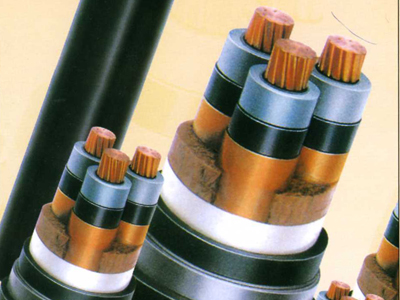
What Tinning Changes and What It Does Not
The coating works on the surface, so the comparison stays close on everything else.
| Property | Bare copper | Tinned copper |
|---|---|---|
| Conductivity | Reference | Marginally lower |
| Oxidation in humid air | A film forms | The surface stays clean longer |
| Solderability after storage | Degrades | Retained |
| Cost | Lower | Higher |
| Current rating | Reference | Practically unchanged |
Tinning is a surface decision, so the surface conditions should justify it.
A tinned copper conductor is chosen for the environment around the strands, because the coating changes the surface rather than the current rating.
How the Coating Behaves on a Strand
Tin is applied to the individual wires before they are stranded, so the protection follows every strand instead of sitting over the finished bundle.
The coating on a tinned copper conductor is thin, measured in a few micrometres, and it survives normal stranding and bending without cracking. It does not seal the conductor against water entry and does not replace a moisture-blocked construction.
Tinned strands also hold a more stable contact in a compression joint, because the oxide film that forms on bare copper does not build up in the same way between the strands.
Plating is also visible in the preparation stage. A crew that has spent an afternoon cleaning dull strands on one drum can usually tell the difference on the next, and that time comes out of the installation programme rather than the cable price.
Tinned copper cable makes most sense where moisture, salt or sulphur would otherwise build an oxide film on the strands.
Where the Extra Cost Is Justified
Four conditions usually settle the argument.
Humid or coastal routes
Salt-laden air and condensation attack a bare copper surface, and the film that forms raises joint resistance over time.
Sulphur-bearing atmospheres
Rubber plants, pulp mills and some mining environments darken bare copper quickly, while a plated surface stays stable.
Long storage on site
A drum that waits a year or more terminates more predictably when every strand is plated.
Fine-strand flexible conductors
Small strands lose proportionally more material to corrosion than large solid ones, so plating protects more of the cross-section.
Plating does not replace water blocking, so humid routes still need a construction that keeps water out of the conductor.
Verification Points at Incoming Inspection
The strand surface is quick to check and quick to dispute.
| Check | Method | Typical finding |
|---|---|---|
| Coating colour | Compare against a retained sample | Dull or patchy plating |
| Coating continuity | Bend a single strand | Bright copper showing through |
| Strand count | Count against the datasheet | A different class than ordered |
| Wire diameter | Measure several wires | Drawn to the low side of tolerance |
The appearance of a tinned copper conductor is the fastest indicator that the drum was built as specified.
Where a tinned copper conductor is specified, name the strand class and the coating so the factory and the inspector work to the same rule.
What Plating Does Not Solve
Tinning does not make a cable suitable for continuous immersion, and it does not stop water travelling along a stranded conductor between two points. A blocked construction answers that problem.
It also does not rescue a joint made badly. Contact area, pressure and the correct connector still decide whether a termination performs.
Where vibration is present, plating helps by keeping contact surfaces stable, while strand fatigue remains a construction question answered by strand class and support spacing.
Send the exposure conditions with the enquiry so the conductor surface is chosen for the site rather than for the store.
Case: A Pump House Near the Sea
Situation: A pump house sat a few hundred metres from the sea. The original specification called for bare copper, and the first delivery was installed during a dry month.
Finding: A year later several control terminations showed a green film and rising contact resistance, and the maintenance team was retightening connections that had never carried unusual load.
Decision: The remaining feeders were ordered with a tinned copper conductor, and the terminations were remade with sealed connectors.
Result: The surface condition was unchanged at the next inspection, and the routine retightening visits stopped.
Cost Comparison Beyond the Cable Price
The cheaper drum can still be the more expensive installation.
| Item | Bare copper | Tinned copper |
|---|---|---|
| Cable price | Lower | Higher |
| Termination preparation | More cleaning | Less cleaning |
| Maintenance visits | Higher in wet areas | Lower in wet areas |
| Replacement labour | Depends on the route | Depends on the route |
Where the route is wet, the difference in preparation and maintenance usually decides the argument.
When Bare Copper Is the Right Answer
Tinning is not a default upgrade.
- Dry indoor routes with stable temperature and no chemical exposure.
- Large solid or compacted conductors where the surface area is small relative to the section.
- Projects where the buying decision is taken on drum price and the environment is genuinely benign.
- Routes where a moisture-blocked design already carries the protection the conductor needs.
- Small control or instrumentation runs inside a dry, temperature-controlled room.
Matching the plating to the environment costs less than plating everything.
Specifying It Without Ambiguity
A specification that asks for a tinned copper conductor should state that the coating applies to the individual strands, and name the method of application expected.
It should also say whether plating applies to the whole conductor or only to a section, because a partial requirement invites a partial delivery.
The acceptance rule belongs in the order as well: how a sample will be checked, and which result counts as a failure.
Questions the Supplier Should Answer
These answers belong in the quotation rather than in a later email exchange.
- The strand class and the coating applied to each individual wire.
- The standard the conductor is tested against and the resistance values expected.
- Whether the design includes water blocking, filling compound or a tape over the conductor.
- The packing and the storage advice for a programme that may run over several seasons.
An answer in writing turns a plating preference into a verifiable part of the order.
RFQ Inputs for Conductor Surface Selection
These details decide whether plating is worth its cost on a given route.
- the environment, including salt, sulphur, ammonia or general humidity
- the conductor size, strand class and whether the conductor is stranded or compacted
- the expected storage period before installation
- the termination method planned, whether compression, mechanical or soldered
- whether water blocking or filling compound is required in the same construction
- the insulation and sheath materials for the same drum
- the standard and the test evidence expected with delivery
- the site conditions and the service life expected from the feeder
Technical references such as IEC 60502, IEC 60228 and IEC 60332 can align cable construction and test terminology. The approved project specification, applicable local rules and qualified design authority still govern the final system decision.
JINCHUAN Cable Support for conductor surface selection for humid and corrosive routes
JINCHUAN Cable can confirm the conductor construction, plating method and strand class against the route conditions, and supplies resistance data with the drum.
Review the conductor options and the manufacturing profile, then send the exposure details with the enquiry.
Write down the exposure first, and the plating question answers itself.
FAQ
Does a tinned copper conductor carry less current?
The difference is small enough that current rating is normally set by the construction and the installation conditions rather than by the plating.
Why specify tinned copper at all?
It keeps the strand surface clean, which matters in moist, salty or sulphur-bearing environments and for cables stored for a long period.
Can tinned copper be used underground?
It can, although the benefit depends on soil chemistry and on whether the construction keeps water away from the conductor.
Is tinned copper cable harder to terminate?
Preparation is usually easier because the strands need less cleaning, and the joint still depends on the correct connector and pressure.
Does plating replace water blocking?
No. Water can still travel along a stranded conductor, so a blocked design remains necessary where moisture enters the cable.
How is the coating checked?
Visual comparison with a retained sample, a bend test on a single strand and a strand count against the datasheet cover most incoming checks.
Does plating affect bending?
The coating is thin and follows normal installation bending, while the permitted radius is still set by the cable construction.
Is tinned copper suitable for soldered terminations?
Yes, and that is one of its practical advantages where solder joints are made after long storage.
When is bare copper the better choice?
On dry indoor routes with a stable environment, where plating adds cost without changing the outcome.
Can JINCHUAN Cable supply tinned conductor cable?
JINCHUAN Cable can review the exposure conditions and confirm the tinned copper conductor construction, plating and evidence for the order.