
Choosing control cable sounds simple until the plant drawing starts to split into panels, sensors, drives, auxiliary circuits and field devices. A useful control cable manufacturer does more than quote a core count. The supplier helps the buyer translate a control schedule into cable that can be installed, labeled and maintained without confusion.
For many plant projects, the real question is not only what control cable is. It is which control cable fits the circuit, how shielding should be handled, and what details should be confirmed before the order leaves the purchasing desk.
JINCHUAN Cable works best with buyers who already have a panel list, route note or cable schedule, but even an early project outline can be enough to start the conversation.

Quick answer: control cable manufacturer
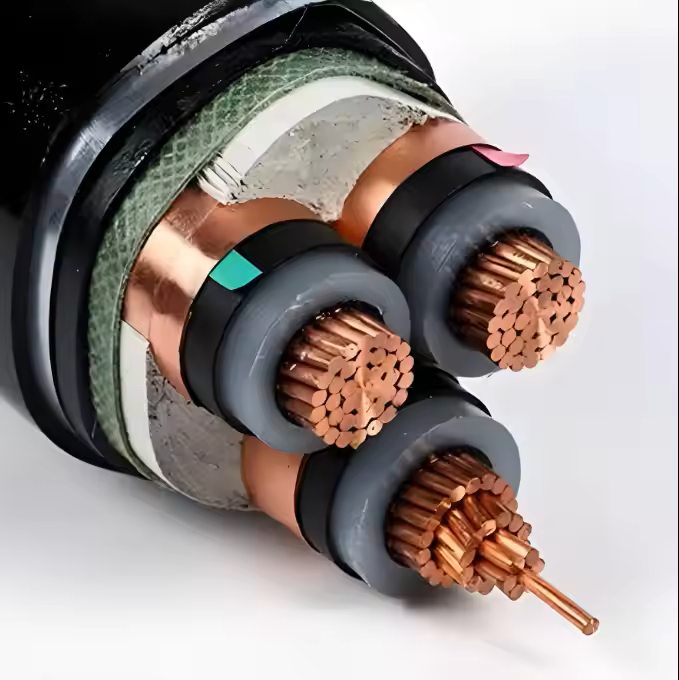
Control cable is used to carry control, signal or auxiliary power between panels, instruments, motors and field devices. In industrial automation, the right cable keeps circuits organized and helps technicians identify the correct route during installation and maintenance.
The main selection points are core count, conductor size, voltage class, shield requirement, sheath material and installation environment. If those details are missing, two suppliers may quote very different products under the same control cable name.
Where this cable is commonly used
| Application | What to check | Why it matters |
| Panel wiring | Core count, color or number marking | Keeps terminals organized |
| Motor control | Voltage class and route condition | Reduces wiring mistakes |
| Signal routes | Shielding and separation from noise | Protects signal quality |
| Outdoor cabinet | Sheath and exposure notes | Matches plant environment |
Shielded or unshielded control cable?
Shielded control cable is usually considered when signal noise is a concern, especially near drives, motors or other electrical equipment. Unshielded cable may be suitable for simpler control circuits when the project specification allows it.
The buyer should not guess. If the control route is close to variable-frequency drives, long field routes or sensitive instruments, note that in the inquiry. A control cable manufacturer can then respond with a cable construction that makes sense for the route.
JINCHUAN Cable can review both shielded and unshielded control cable requirements when the circuit duty and installation path are clear.
A practical example
A typical search does not start with a perfect specification. Someone may have a drawing, a maintenance note, a distributor request or a line in a tender file. The useful next step is to translate that note into cable details: where the cable will run, what it connects, what environment it sees and what record the project team will need later.
For control cable manufacturer, that example matters because the same product phrase can hide several different use cases. A short warehouse note, a contractor message and an EPC cable schedule may all use the same keyword, but each one needs a different level of detail before JINCHUAN Cable can quote responsibly.
When this cable may not be the right fit
A good SEO blog should also say when the product is not the answer. If the application, route or approval requirement points to another cable family, buyers should not force the keyword into the order. The better approach is to describe the real installation and let the supplier confirm the closest matching cable type.
This is especially important for export projects. A buyer may use familiar market wording, while the owner specification uses a different standard or construction language. Checking that difference early reduces price revisions and helps the quotation stay useful after technical review.
What buyers often confuse
A common mistake is ordering one control cable type for every circuit. A small auxiliary panel, a long signal run and a motor control route may need different cable details even when they are all called control cable.
Supplier comparison points
| Point | How to use it in comparison |
| Core count | Match spare cores and terminal plan |
| Conductor size | Confirm current and panel practice |
| Shield | Use when noise control is required |
| Sheath | Match indoor, tray or outdoor conditions |
| Packing | Choose lengths that suit panel installation |
Standards and project documents
For international cable projects, buyers may discuss IEC 60228, IEC 60332, IEC 60502 with the engineering or approval team. These references help align wording, but the project specification should remain the final guide.
Mistakes that cause rework
- Ignoring shield requirements around noisy equipment
- Listing core count without spare-core preference
- Forgetting cable marks for panel installers
- Comparing offers with different sheath assumptions
- Leaving packing length until after the price is approved
How JINCHUAN Cable can support the inquiry
JINCHUAN Cable is relevant when the buyer needs export-oriented cable supply, clear technical communication and a quotation that reflects the real application. The strongest inquiry usually includes the product type, route, quantity, packing needs and document expectations.
Before sending a final request, buyers can review JINCHUAN Cable products and the JINCHUAN Cable company profile to confirm product scope and supplier background.
Before you ask for a quote
If you are comparing control cable suppliers, send JINCHUAN Cable the panel schedule, core count, conductor size, shield requirement, route condition and packing preference. A clearer first inquiry usually leads to a clearer quotation.
FAQ
What does a control cable manufacturer need to quote?
A supplier usually needs core count, conductor size, shield requirement, voltage class, sheath material, route condition, quantity and packing length.
Where is control cable used?
Control cable is used between panels, motor control centers, instruments, sensors, field devices and auxiliary control circuits.
Is shielded control cable always required?
No. Shielding depends on signal sensitivity, nearby electrical noise and the project specification.
Can JINCHUAN Cable supply industrial control cable?
JINCHUAN Cable can review industrial control cable requirements when the buyer provides the cable schedule and route information.
What is the difference between power cable and control cable?
Power cable carries main electrical power, while control cable usually supports control, signal or auxiliary circuits.
Why does core count matter?
Core count determines circuit capacity and affects terminal wiring, labels and spare-core planning.
Should cable marks be specified?
Yes. Cable marks help panel builders and site teams install the correct cable in the correct route.
What standards may be discussed?
IEC 60228, IEC 60332 and project-specific standards may be discussed depending on conductor and flame requirements.
How do I compare control cable suppliers?
Compare construction, shielding, sheath, packing, documents, delivery and exclusions, not only price per meter.
When should I ask for a control cable quote?
Ask when the panel schedule, route and required documents are clear enough for supplier review.