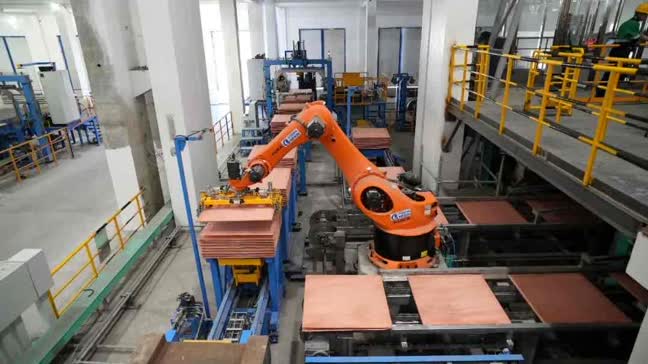

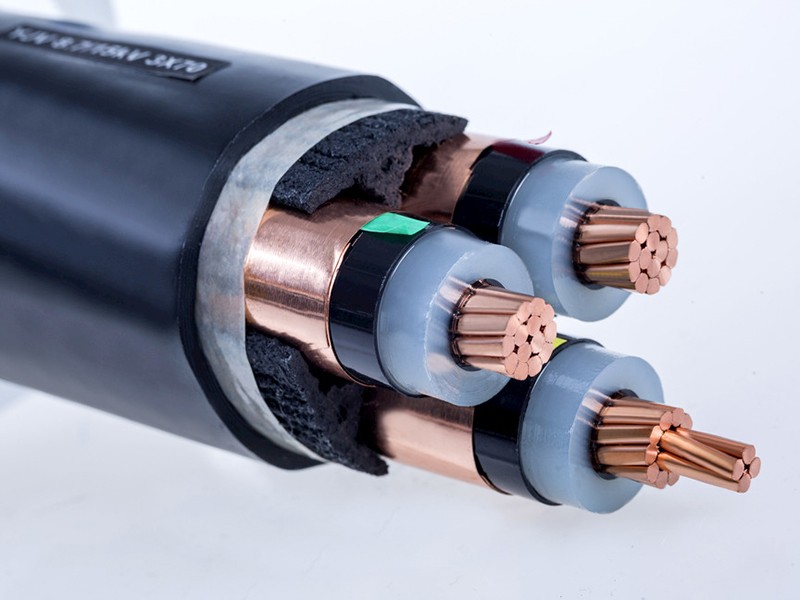
A cooling tower factory power cable supplier must account for a product assembled from large structures, fill media, drives, fans and water-distribution components. Fast forming does not create a complete shipping kit when balancing or run tests remain constrained.
Cable priorities should follow complete tower cells and modules, including the smaller stations that verify fan rotation, vibration and water circulation.
The structure below combines misconceptions, a finished-set table and a staged implementation playbook.
Four cooling tower production myths to remove
Common planning shortcuts separate components that must work as one finished system.
Misconception: More formed panels always mean more output
What to use instead: A shipment requires matching structure, fill, fan, basin and hardware sets.
Misconception: Fan stations are only light assembly areas
What to use instead: Motor handling, balancing and functional rotation give them high release consequence.
Misconception: Wet tests can be added after layout approval
What to use instead: Circulation, drainage and instruments affect routes and bay allocation.
Misconception: One tower size represents the future range
What to use instead: Fan diameter, cell dimensions and modular shipping can change both handling and test scope.
Replace component counts with complete released tower sets.
Finished-set control across cooling tower production
Track whether every major product group reaches kitting and final verification together.
| Production area | Constraint to verify | Cable-scope evidence |
|---|---|---|
| Casing and structure | Large dimensions and handling | Machine cells and crane coverage |
| Fill and water distribution | Matched quantities and configurations | Preparation and kitting identities |
| Fan and drive assembly | Balance, motor range and vibration | Stations and approved operating range |
| Final kit assembly | Missing parts delay shipment | Model-based kit records |
| Functional run tests | Rotation, circulation and controls | Wet bay duty and evidence |
Stable product-set identities help receiving and installation teams as well as factory staff.
Build a complete tower set before measuring output
A useful cooling tower factory power cable supplier starts with sheet or composite forming, structural fabrication, fill-media preparation, fan and drive assembly, basin installation, kit assembly, functional run tests and packing. The schedule should connect every cable group with production flow, product quality or final release before buyers compare construction and price.
A cooling tower forming cable can serve sheet, profile or composite equipment producing large parts that require coordinated handling.
A fan assembly line cable and cooling tower run test cable support balanced rotating systems and approved wet checks that protect final product acceptance.
Implementation playbook for a new tower product range
Assign ownership before equipment and cable packages are released.
| Work stage | Primary owner | Required output |
|---|---|---|
| Define the tower family | Product engineering | Approved dimensions, fans, motors and shipping modules |
| Map component flow | Production planning | Matched forming, fill and assembly capacities |
| Confirm run tests | Quality engineering | Wet, vibration and functional test envelope |
| Release route zones | Project engineering | Heavy, ordinary and wet cable schedule |
| Close handover | Maintenance and quality | Labels, kit records and as-built revisions |
The playbook keeps product configuration and infrastructure decisions synchronized.
Scenario: larger fan modules expose balancing limits
Situation: A factory introduces larger modular cooling towers for industrial projects.
Finding: Structure fabrication has margin, but fan balancing, motor handling and wet run positions cannot support the new module rate.
Decision: The buyer prioritizes the affected assembly and test cable groups while retaining suitable forming infrastructure.
Expected result: Expansion supports complete commissioned modules rather than excess structural parts.
Cooling tower cable supplier evidence scorecard
Compare evidence for complete product-set production.
| Criterion | Question | Evidence to request |
|---|---|---|
| Set completeness | Are structure, fill, fan and water systems linked? | Product-flow map |
| Rotating equipment | Are fan and motor ranges stated? | Approved station envelope |
| Wet testing | Are circulation and drainage conditions clear? | Run-test plan |
| Records | Can each tower family be traced through kitting? | Labels and kit schedule |
Evidence should show how cable scope protects complete products.
Pre-order completeness audit for tower production
Confirm that no small component or test dependency sits outside the quotation.
- Component forming and final kitting share stable model identities.
- Fan, motor and balancing ranges are documented.
- Wet circulation areas are separated from ordinary assembly routes.
- Large-part handling and shipping paths are included.
- Labels, delivery groups and revision rules are agreed.
The audit reduces missing-kit delays and late wet-zone changes.
RFQ details for cooling tower assembly and run tests
The request should describe tower sets, fan systems and wet verification.
- System voltage and frequency
- Load or cable schedule
- Motor ratings and starting method
- Route length and installation method
- Actual wet, dusty, hot, outdoor or mechanical conditions
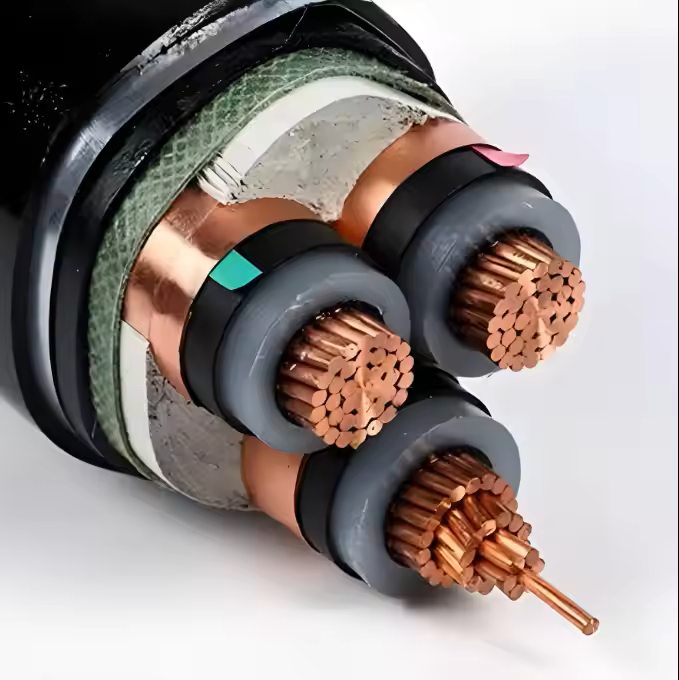
- Required conductor, insulation, sheath and armor details
- Destination, delivery stages and required records
- tower types, cell dimensions and modular formats
- forming and structural fabrication equipment
- fill-media and water-distribution preparation
- fan, motor and balancing station range
- wet run tests, kitting and release records
For cooling tower factory projects, references such as IEC 60502, IEC 60228 and IEC 60332 can help both sides use consistent terminology. They do not replace the approved specification or the buyer's responsibility to confirm the design.
How JINCHUAN Cable supports cooling tower factory decisions
For cooling tower manufacturers, thermal-system engineers and factory planners evaluating the cooling tower factory power cable supplier, JINCHUAN Cable can review forming, assembly, rotating-equipment and wet-test cable groups against the tower configurations approved by the buyer.
The proposal can clarify construction and evidence without replacing product engineering, balancing or thermal-performance responsibility.
Buyers can review JINCHUAN Cable products and learn more about the JINCHUAN Cable company. Share the project purpose, critical loads, route conditions, quantities, destination and expected records to create a stronger basis for technical and commercial comparison.
Send the complete tower-set and run-test plan to obtain a quotation aligned with released modules.
FAQ
What should buyers expect from a cooling tower factory power cable supplier?
Buyers should expect the proposal to connect cable construction with large-part handling, fan and motor range, wet testing, vibration, airflow and complete product records, not merely repeat conductor sizes from a schedule.
Which part of the cooling tower factory should be mapped first?
Start with sheet or composite forming, structural fabrication, fill-media preparation, fan and drive assembly, basin installation, kit assembly, functional run tests and packing. This shows which supporting loads can interrupt more than one production stage.
How should quotations for the cooling tower factory be compared?
Compare the stated route assumptions, operating duty, included records, delivery grouping and exclusions beside price. That exposes scope differences before approval.
Which route conditions matter in a cooling tower factory?
The inquiry should distinguish forming cells, composite or metal work, large assembly areas, balancing stations, wet circulation tests and oversized packing routes. Broad labels such as indoor or industrial are rarely precise enough for a useful review.
What hidden risk deserves attention in this project?
A common hidden risk is increasing casing and frame output while fan balancing, kit completion or wet run tests remain limited. Its production consequence may be greater than the connected load suggests.
Should future changes be discussed before ordering?
Yes. larger tower cells, new fan diameters, modular shipping formats and more automated component production can affect route capacity, circuit names, distribution space and the value of today's approval records.
Which records help after installation?
Useful records include tower model, component, fan, motor and test identities, wet-zone routes, kit lists and final revisions. They help receiving, installation and maintenance teams connect each cable with its purpose.
Which technical references may support the discussion?
IEC 60502, IEC 60228 and IEC 60332 may provide common terminology, while the approved project specification remains the final design basis.
What should be sent with the first RFQ?
Send the cable or load schedule plus project details such as tower types, cell dimensions and modular formats, forming and structural fabrication equipment, fill-media and water-distribution preparation, fan, motor and balancing station range, wet run tests, kitting and release records. Clear inputs allow suppliers to identify assumptions instead of guessing.
How can JINCHUAN Cable support the cooling tower factory?
JINCHUAN Cable can review the schedule, routes, operating conditions, quantities and required records against the result the buyer needs to protect: consistent component forming, organized kit assembly, balanced fan systems and dependable functional release.