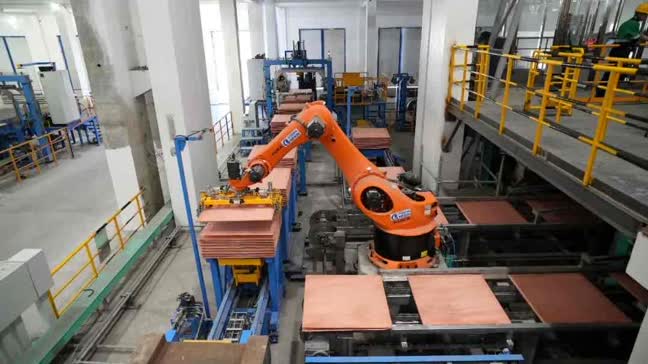

Copper concentrate storage areas often include conveyors, transfer towers, dust control systems, yard lighting, sampling stations and outdoor utility panels. Cable routes can be dusty, exposed and mechanically active.
JINCHUAN Cable can review copper concentrate storage cable more accurately when the buyer separates conveyors, dust control loads, yard routes and inspection records. That separation keeps supplier offers comparable.
These notes are for mining terminals, smelter feed yards, EPC contractors and procurement teams preparing a cable schedule for concentrate handling areas.

Conveyors and Transfer Towers Need Route Identity
Conveyor routes may run along galleries, transfer towers, ground corridors or outdoor supports. The schedule should identify each route, motor group and access condition.
Dust Control Loads Should Not Disappear
Dust collectors, water spray systems and ventilation loads may look secondary, but they affect environmental control and operating reliability. They should be listed separately from conveyor motors.
Storage Yard Cable Schedule Checks
A cable schedule for concentrate storage should show equipment, voltage, route, exposure and document needs in one place.
| Review item | Project detail to confirm | Why it changes the quotation |
| Conveyor motor | Route, load and transfer point | Improves motor cable identity |
| Dust control | Fan, filter or water system load | Avoids missing utility loads |
| Yard lighting | Outdoor distance and exposure | Changes route assumptions |
| Sampling station | Utility and control support | Clarifies small loads |
Outdoor Yard Routes and Mechanical Damage
Yard routes may face vehicle movement, maintenance equipment, rain, UV and dust. The RFQ should describe whether cable is buried, on tray, in conduit or along structures.
| Route condition | What buyers should describe | Possible procurement risk |
| Conveyor gallery | Dust and maintenance access | Can hide labels |
| Outdoor yard | Vehicle movement and UV | May need protection notes |
| Transfer tower | Elevation and pulling route | Affects drum planning |
Records for Material Handling Areas
Dust and outdoor storage can make labels hard to read later. Drum marks, cable tags and receiving records should be clear before installation.
| Document or record | Useful timing | Reason to keep it |
| Cable schedule | Before approval | Connects route and load |
| Drum marks | Before pulling | Prevents mix-up |
| Packing photos | At shipment | Records condition |
| Routine report | Before handover | Supports acceptance |
Comparing Offers for Yard Cable
Compare cable construction, protection, route assumption, packing, labels and delivery term. If one offer ignores outdoor mechanical risk, the prices are not equal.
Delivery Around Conveyor Installation
Cable delivery should match the conveyor and transfer tower installation sequence. Wrong drum order can delay motor connection even when all cable is onsite.
Long-Term Maintenance Use
The owner should be able to trace cable records for each conveyor, dust collector and yard utility circuit. This helps maintenance teams troubleshoot without reopening old procurement files.
Storage Yards Need Practical Protection Notes
A concentrate storage yard can change with traffic patterns, stockpile arrangement and maintenance access. Cable routes may be exposed to loaders, trucks, dust, rain and structure movement. The RFQ should show whether a route is buried, protected, elevated or close to mobile equipment.
These details help JINCHUAN Cable discuss copper concentrate storage cable as a yard system, not just a group of conveyor feeders.
Dust Control Is Part of Operating Reliability
Dust control equipment may seem secondary compared with conveyors, but it supports environmental control and site safety. If these loads are missing from the first cable schedule, they can become urgent small orders later.
Buyers should include fan motors, spray pumps, control panels and route notes in the same approval file so the final cable package reflects how the yard actually operates.
Supplier Comparison Boundary
A useful quotation should state what is included and what is excluded. For copper concentrate storage cable, buyers should check whether the offer includes cable construction, route assumptions, routine test reports, packing, drum marks, certificates requested by the owner, shipment documents and delivery terms. Without this boundary, two prices can look comparable while covering different work.
JINCHUAN Cable can make the boundary clearer when the RFQ separates electrical data, installation route, document package and site receiving needs. This helps purchasing compare offers without asking engineering to decode hidden assumptions after the price is issued.
Site Acceptance and Traceability
After the cable arrives, the receiving team should compare the drum mark, cable length, packing condition and report reference with the approved schedule. These checks protect the project from wrong-drum pulling and missing record disputes, especially when several cable sizes or similar routes arrive together.
The same records are useful after commissioning. When a route needs inspection, replacement or expansion, the owner can trace the installed cable back to the quotation, shipment and routine test report instead of relying on memory or incomplete site notes.
Approval Review Before Production
Before production starts, the project team should read the cable schedule beside the latest route drawing. This final review should confirm equipment names, voltage, conductor size, route exposure, installation method, drum limits, label language and document requirements. It is a simple step, but it often catches differences between the purchase file and the actual site route.
For copper concentrate storage cable, this review also gives JINCHUAN Cable a clear record of the buyer's approved assumptions. If the owner later changes route, load or inspection scope, the impact can be discussed against a visible baseline rather than an unclear email trail.
Technical Review File
Prepare conveyor lists, dust control loads, yard route drawings, outdoor exposure, installation method, drum limits, label requirements and delivery sequence.
- Conveyor motor list
- Transfer tower route
- Dust control loads
- Yard lighting
- Outdoor exposure
- Mechanical risk
- Voltage and size
- Installation method
- Drum labels
- Packing records
Standards and Owner Approval Notes
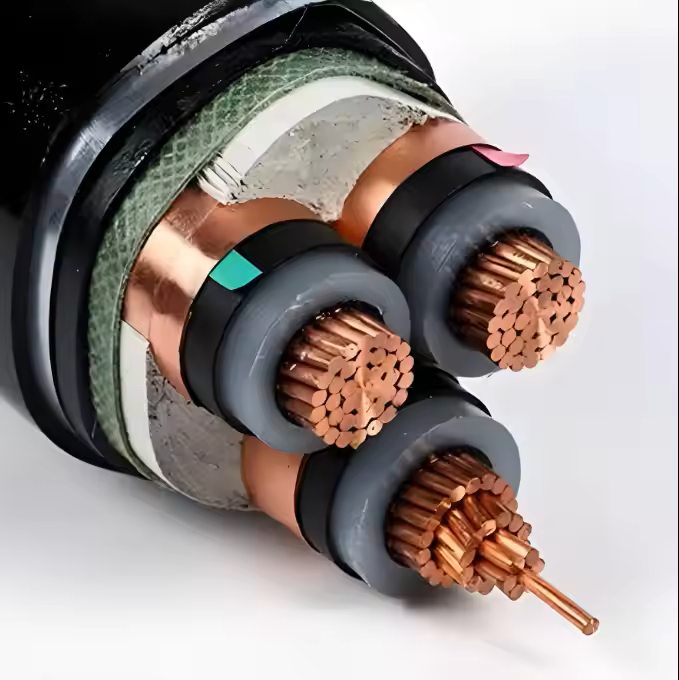
When the project specification uses international cable language, buyers may discuss IEC 60502, IEC 60228, IEC 60332 with the owner and supplier. These references help align conductor construction, power cable rating, flame behavior or field testing language, but they do not replace the project standard approved by the engineering team.
For JINCHUAN Cable, the useful standard discussion is practical: which voltage class applies, which conductor construction is required, whether flame behavior is specified, what routine test record is needed, and how the cable will be identified after delivery.
Related JINCHUAN Cable Resources
Buyers can review JINCHUAN Cable products and compare this topic with the bulk material terminal cable guide. The related page helps connect this cable decision with route exposure, document control and project handover.
FAQ
What should buyers confirm before ordering copper concentrate storage cable?
Confirm voltage, load duty, conductor size, route exposure, installation method, inspection records, packing limits and delivery sequence before comparing copper concentrate storage cable offers.
How can JINCHUAN Cable support copper concentrate storage cable selection?
JINCHUAN Cable can review the schedule when buyers provide equipment lists, route drawings, standards, quantities, document needs and handover requirements.
Why does route exposure matter?
Route exposure can change sheath, armor, flame behavior, packing, drum planning and inspection expectations, so it should be described before technical approval.
Which documents are useful before shipment?
Datasheets, routine test reports, packing lists, drum marks, certificates requested by the owner and shipment photos are useful for traceability.
How should supplier offers be compared?
Compare the same voltage, conductor, construction, route assumption, test scope, document package, packing method and delivery term.
What is the common mistake with copper concentrate storage cable?
The common mistake is focusing on conveyor motors while leaving dust control and yard route exposure out of the cable request.
Should critical loads be separated in the schedule?
Yes. Critical, emergency or process-sensitive loads should be separated so testing, delivery and handover records remain clear.
Can incomplete drawings be used for a first review?
Yes, if uncertain route details are marked clearly. Hidden assumptions create more risk than open questions.
When should drum length and labels be discussed?
Discuss drum length and labels before production, especially when site access, pulling sequence or receiving space is limited.
What makes the final approval file easier to use?
A useful approval file connects the copper concentrate storage cable schedule, route notes, cable identity, test report, drum mark and receiving record in one traceable package.