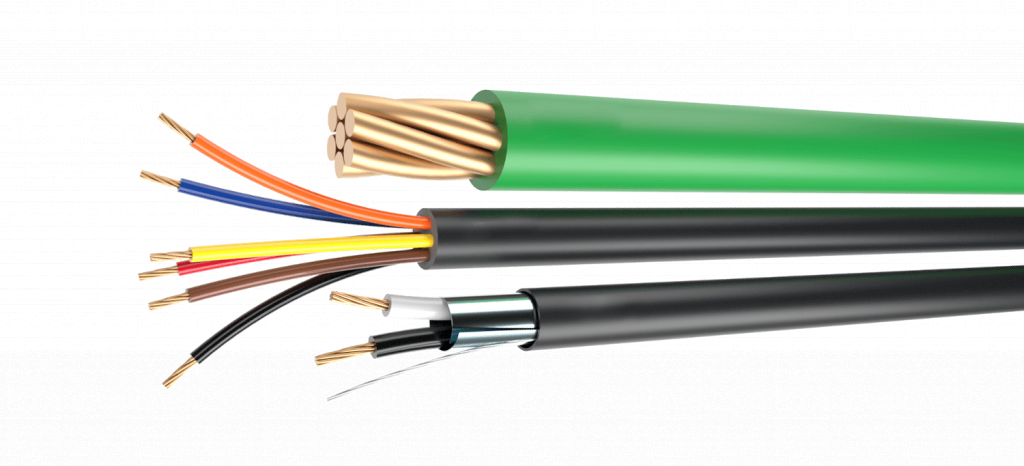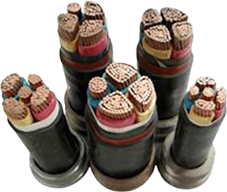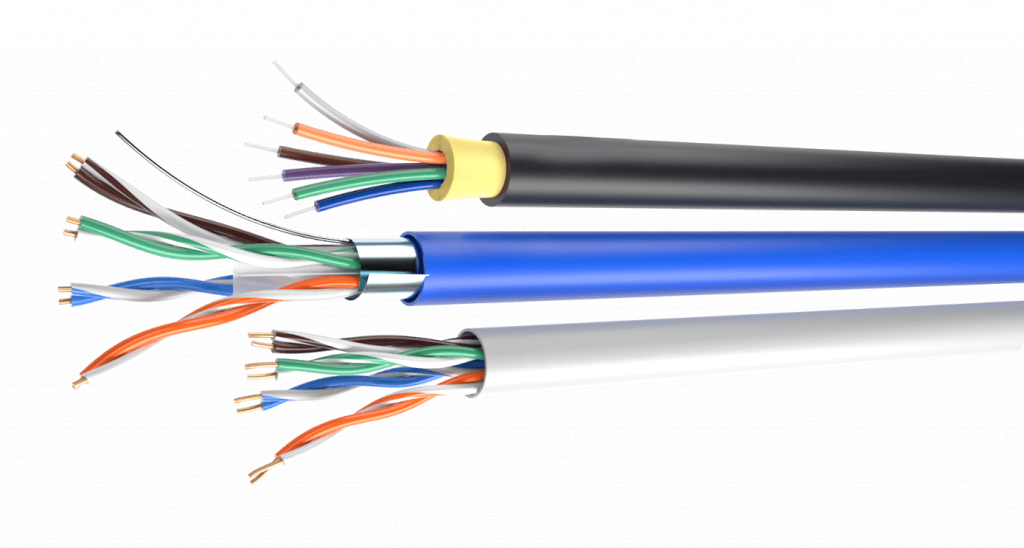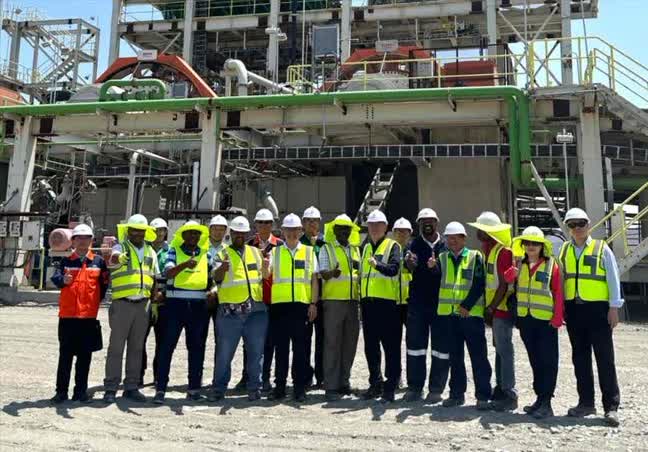

Copper tankhouse ventilation cable is rarely just a price line in a B2B export project. It sits between engineering, purchasing, site installation and future maintenance, so the buyer needs more than a voltage and size request.
For this application, JINCHUAN Cable should be reviewed with the real route in mind: roof exhaust fans, mist collection equipment, wet galleries, fan starters, utility panels and tankhouse access routes. That keeps the quotation close to site conditions instead of relying on a generic cable description.
These notes are written for copper refinery owners, tankhouse ventilation designers, EPC engineers and procurement managers. The goal is to help teams prepare a practical cable schedule, compare offers fairly and keep records usable after the equipment is commissioned.
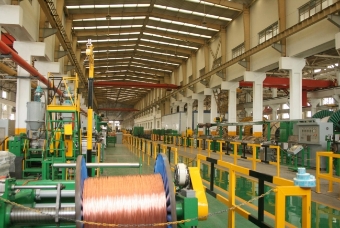
Fan Groups Should Match the Tankhouse Layout
Copper tankhouse ventilation cable should be grouped by fan bank, starter location and route. This keeps the cable record aligned with the roof or gallery layout instead of becoming a loose list of fan feeders.
| Cable schedule item | What to write clearly | Why it matters |
| Exhaust fan | Fan bank, motor load and route | Connects cable to layout |
| Fan starter | Panel name and location | Supports commissioning |
| Mist control utility | Small load and wet route | Avoids missed equipment |
| Roof route | Wet exposure and access | Clarifies installation risk |
Mist and Moisture Make Records More Important
Ventilation routes in tankhouse areas may face moisture, mist and difficult access. The RFQ should explain whether cable runs through wet galleries, roof routes or protected rooms.
| Route condition | Detail to confirm | Procurement risk if missed |
| Wet gallery | Moisture and access | Labels may degrade |
| Roof route | Weather, height and pulling path | Staging may be difficult |
| Starter room | Protected path | Boundary may be unclear |
Roof Work Should Be Planned Before Shipment
Roof routes can be hard to stage, especially when fan banks are spread across a wide tankhouse. Drum lengths and labels should support the actual lifting and pulling plan.
Small Ventilation Utilities Still Matter
Dampers, small panels or mist control equipment may be easy to overlook. Include them so the ventilation system can be commissioned as a complete package.
Tankhouse Expansion Needs Comparable Records
If the tankhouse expands, older cable records become a useful baseline. JINCHUAN Cable review is easier when the original package shows fan groups and route assumptions clearly.
Check the Full Ventilation Package
Buyers should compare exhaust fan feeders, mist control utilities, starters, local panels, testing records and packing labels together. Otherwise the cable package may miss small but necessary commissioning items.
| Offer item | Check before approval | Good evidence |
| Fan grouping | Bank and equipment names | Layout drawing |
| Wet route | Mist or moisture noted | Route mark-up |
| Testing | Required report scope | Routine report |
| Labels | Fan bank and starter names | Packing list |
Quotation Boundary for Purchasing Teams
For copper tankhouse ventilation cable, the quotation should make inclusions and exclusions visible. Buyers should know whether the price includes field route assumptions, equipment-name labels, routine test records, packing photos, certificate references, delivery sequence and destination handling notes. Without that boundary, a lower price may simply mean a thinner document package or a route assumption that does not match the site.
JINCHUAN Cable can review the commercial boundary more clearly when the buyer separates electrical data, installation route, owner inspection records and shipment requirements. That structure helps purchasing compare offers while giving engineering enough detail to confirm the technical fit.
How the Site Team Uses the Same File Later
The cable file should not disappear after purchase order approval. During receiving, the site team can use the same equipment names to check drum marks, packing condition and delivery order. During installation, the route notes help supervisors confirm that the correct drum is pulled to the correct area.
After commissioning, the file becomes a maintenance reference. If the owner needs replacement, expansion or troubleshooting, the copper tankhouse ventilation cable record should show what was supplied, where it was installed and which test report belongs to that route.
Records That Should Travel With the Cable
A strong copper tankhouse ventilation cable file should keep the approved schedule, datasheet, routine test report, packing list, drum mark and receiving note together. This is especially useful when similar cable sizes arrive for several equipment groups at the same time.
JINCHUAN Cable can make that record cleaner when the buyer uses stable equipment names from quotation through shipment. The same names should appear in the cable list, package label, owner inspection file and final handover folder.
Standards and Technical Language
For standards language, buyers can review IEC 60502, IEC 60228, IEC 60332, IEEE 400 with the project specification team. These references help align voltage class, conductor wording, power cable construction, flame behavior or field testing language, while the approved owner specification remains the controlling document.
The practical question is not how many standards can be named. It is whether the project team has confirmed voltage class, conductor construction, route protection, flame behavior, test records and identification requirements before production starts.
Questions to Settle Before Approval
- Exhaust fan bank list
- Starter panel locations
- Mist control utility loads
- Wet gallery route
- Roof access and staging
- Voltage and conductor size
- Installation method
- Drum length limits
- Routine reports
- Fan group labels
Related JINCHUAN Cable Reading
Buyers can review JINCHUAN Cable products and compare this topic with the copper refinery electrolysis cable guide. Together, these pages connect equipment duty, route exposure, document control and handover records.
Traceable Routes for Long-Life Tankhouses
A strong copper tankhouse ventilation cable file helps future technicians identify fan groups, compare replacement cable and maintain ventilation records without searching through unrelated tankhouse documents.
FAQ
What information helps JINCHUAN Cable review copper tankhouse ventilation cable?
Share the load list, voltage, conductor size, route drawing, installation method, exposure notes, quantity, destination, drum limits and inspection record needs.
How often should copper tankhouse ventilation cable appear in the cable schedule?
It should appear wherever a distinct equipment group, route condition or receiving record is needed, rather than only once as a broad package name.
Why mention JINCHUAN and JINCHUAN Cable in the project file?
Consistent naming keeps supplier records, quotations, packing notes and handover documents aligned when several cable packages are reviewed together.
Which documents are worth requesting before shipment?
Datasheets, routine test reports, packing lists, drum marks, certificate references and shipment photos are useful for receiving and later maintenance records.
How should supplier offers be compared?
Compare the same voltage, conductor, route exposure, testing scope, packing method, document package, delivery term and commercial exclusions.
What is the most common procurement mistake for copper tankhouse ventilation cable?
The common mistake is pricing exhaust fan feeders without naming fan groups, starter locations, wet roof routes or mist control utilities.
When should drum length be confirmed?
Confirm drum length before production when the pulling route, installation sequence, unloading area or site storage space is limited.
Can preliminary drawings be used for quotation?
Yes, if uncertain details are marked clearly. Open assumptions are easier to manage than hidden route or exposure assumptions.
Do standards references replace the owner specification?
No. Standards references help align technical language, but the project specification and approved drawings define the actual requirement.
What makes the copper tankhouse ventilation cable record useful after commissioning?
A useful record links the copper tankhouse ventilation cable schedule, cable identity, drum mark, test report, route condition and receiving note in one traceable file.