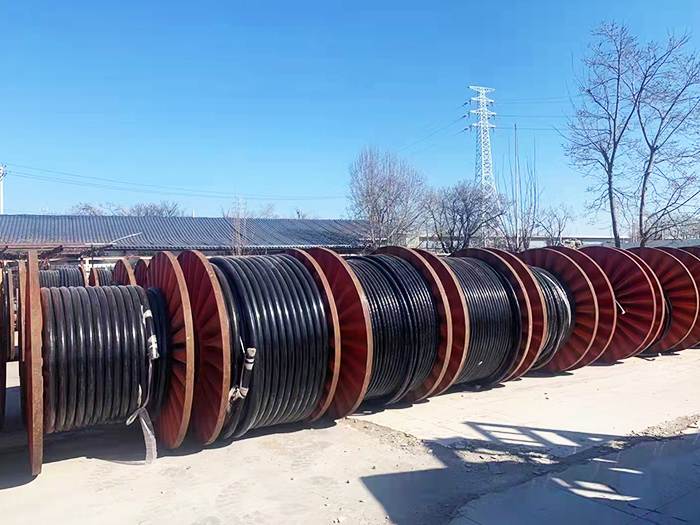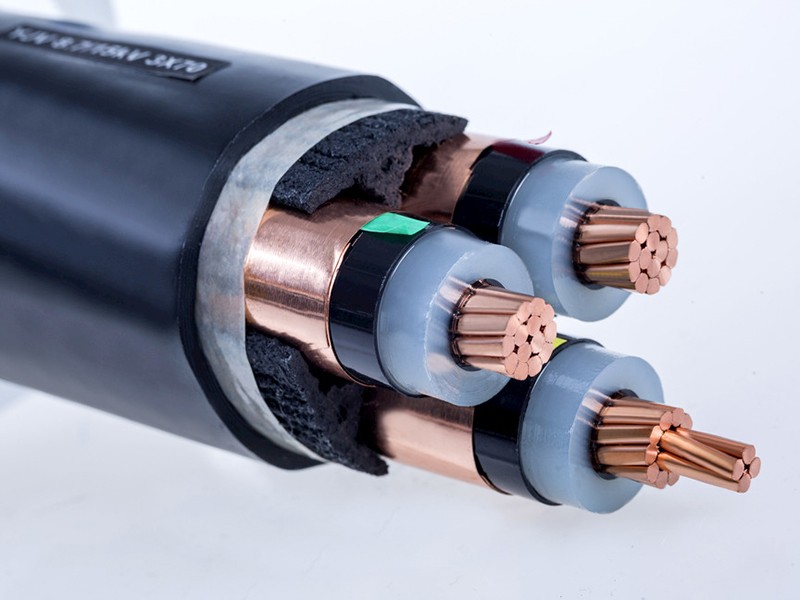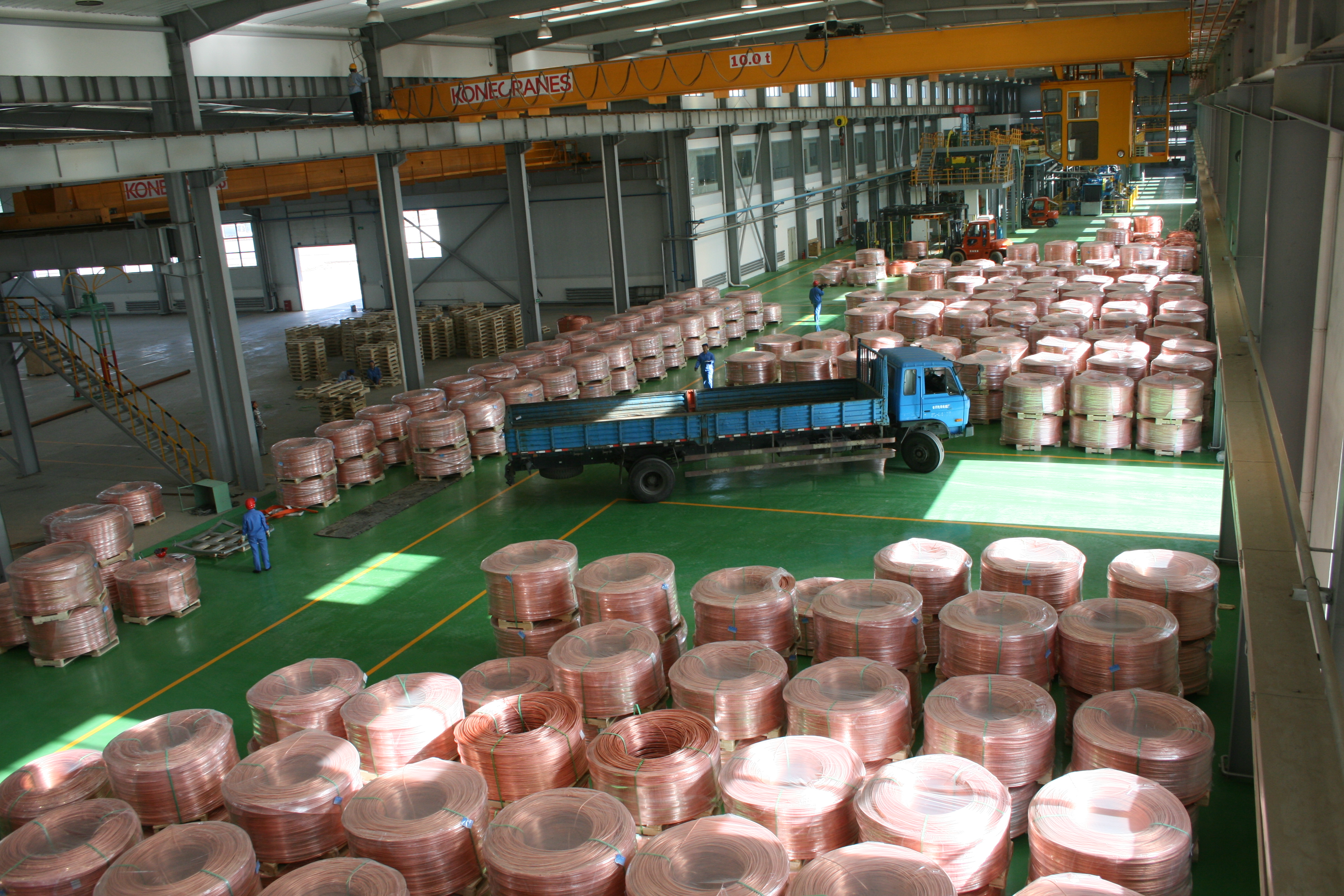

Copper vs aluminum power cable is not a simple metal-price comparison. Copper usually achieves a required electrical result with a smaller conductor, while aluminum can reduce conductor weight and material cost but may need a larger cross-section, compatible terminals and disciplined installation controls.
Buyers should compare the complete circuit: current duty, voltage drop, cable diameter, tray or conduit space, drum weight, pulling method, lug compatibility, jointing practice, corrosion exposure and future maintenance. An equal-size comparison can hide the real installed tradeoff.
This guide combines the adjacent buyer questions around conductor performance, long runs, terminals, installation, cost, evidence and repeat supply.
Which project inputs decide conductor material?
A useful conductor material comparison starts with a defined buyer, production outcome and project boundary. The following distinctions prevent a general factory inquiry from becoming an unqualified product request.
Electrical duty
Compare approved current, voltage drop, fault duty and operating temperature.
Route capacity
Check outside diameter, bend space, tray fill, conduit and vertical support.
Connection system
Confirm switchgear, lugs, joints, preparation and installation competence.
Lifecycle plan
Include freight, pulling, inspection, maintenance and replacement availability.
The decision is strongest when each answer is supported by project-specific evidence for the copper and aluminum conductor selection.
Copper and Aluminum Conductor Decision Table
Use this specification table to compare each conductor material comparison on the same approved project basis. Values are inputs to confirm, not assumptions for the supplier to invent.
| Specification item | Project input | Evidence to retain |
|---|---|---|
| Electrical system | Approved voltage, current, fault duty, route length and voltage-drop criterion | Approved single-line diagram and load schedule |
| Conductor and size | Buyer-defined material, cross-section and circuit duty | Cable schedule and engineering approval |
| Insulation and sheath | Tray, conduit, burial, vertical support, grouping and environmental exposure | Route map and environmental boundary |
| Mechanical protection | Cable weight, pulling tension, bending, support and termination preparation | Installation method and risk review |
| Fire performance | Project-required performance and test reference | Approved specification and test documents |
| Identification | Circuit, conductor material, size, batch, drum and terminal system | Drum list, cable register and final revision |
A compliant schedule makes technical and commercial differences visible before the copper and aluminum conductor selection cable order is released.
Conductor comparison shortcuts that distort the decision
These shortcuts can hide a material or component assumption inside the conductor material comparison quotation.
Misconception: Equal cross-section means equal performance
What to use instead: The metals have different resistance, size and thermal implications. Better evidence: Compare the required circuit result.
Misconception: Aluminum is always cheaper
What to use instead: Larger cable, terminals, route space and labor affect installed cost. Better evidence: Price the complete installation.
Misconception: Copper needs no installation controls
What to use instead: Every conductor still needs correct preparation, lugs, torque and protection. Better evidence: Use approved workmanship.
Misconception: Weight does not affect the project
What to use instead: Drums, pulling, vertical support and site handling can change materially. Better evidence: Include logistics and installation.
The copper vs aluminum power cable decision should be justified by the complete electrical, mechanical and commercial basis.
From metal preference to a circuit-level conductor decision
Changing from a machine list to a complete-product view changes which cable groups receive priority.
Before: disconnected equipment assumptions
- Electrical comparison is listed without showing equal size is compared without a duty check.
- Route comparison is listed without showing diameter and weight are omitted.
- Terminal comparison is listed without showing existing lugs are assumed compatible.
- Cost comparison is listed without showing price per meter controls the decision.
After: one traceable power circuit with an approved conductor material flow
- Electrical comparison is released with each option meets current and voltage criteria.
- Route comparison is released with tray, conduit and pulling effects are visible.
- Terminal comparison is released with approved terminals and preparation are named.
- Cost comparison is released with installed and lifecycle cost are compared.
This method converts a material debate into a reproducible project decision.
Scenario: a lower cable price creates a terminal redesign
Situation: A project compares an aluminum offer with an approved copper schedule using only price per meter.
Finding: The aluminum option needs a different cross-section, glands, lugs and panel space.
Decision: Both options are recalculated and priced as installed circuits with approved terminal systems.
Expected result: The copper vs aluminum power cable decision now fits route, connection and lifecycle requirements rather than the cheapest cable line.
Compare three conductor sourcing strategies
This comparison does not select a cable by industry label. It shows how three copper and aluminum conductor selection project configurations change the evidence a supplier must review.
| Project configuration | Defining features | Main advantage | Best fit | Relative cost level |
|---|---|---|---|---|
| Copper baseline | Smaller conductor for a defined duty | Compact connections | Space-constrained routes | High material |
| Aluminum alternative | Larger but lighter conductor | Lower weight | Long feeders and large sizes | Medium material |
| Mixed project strategy | Material selected by circuit group | Optimizes constraints | Large diversified projects | Medium-high control |
A mixed copper vs aluminum power cable strategy requires clear identification so the right terminals and procedures reach each circuit.
Conductor material approval scorecard
Use this scorecard to test the quality evidence behind a conductor material comparison. Certification names alone do not replace project-specific inspection and traceability.
| Criterion | Question | Evidence to request |
|---|---|---|
| Electrical result | Does each option meet approved current and voltage criteria? | Calculation and schedule |
| Route fit | Are diameter, weight, bending and support acceptable? | Route and installation review |
| Termination fit | Are lugs, joints, preparation and torque controlled? | Connection approval |
| Lifecycle fit | Are supply, inspection and maintenance implications understood? | Commercial comparison |
A defensible copper vs aluminum power cable choice remains valid from quotation through installation and maintenance.
When may each conductor option fit?
Which branch protects accepted power circuit with an approved conductor material while meeting the required delivery date?
Space is highly restricted
Copper may reduce conductor area and overall cable dimensions for the required duty.
Long heavy feeders dominate
Aluminum may reduce cable and drum weight when route and terminals can accommodate it.
Existing terminals are fixed
Use the conductor material approved for those connection systems or redesign them.
Maintenance capability varies
Choose the material and termination practice the site can inspect consistently.
The copper vs aluminum power cable selection should follow the project constraint rather than a universal preference.
Installed-cost drivers beyond conductor price
The quoted price for a conductor material comparison is meaningful only when route, quantity, testing, delivery and exclusions use the same basis.
| Cost driver | Project impact | Control before ordering |
|---|---|---|
| Cross-section | Equivalent duty may require different sizes | Compare approved options |
| Cable diameter | Tray, conduit and glands may change | Check route space |
| Drum weight | Freight and lifting differ | Plan logistics |
| Terminations | Lugs, preparation and labor differ | Approve connections |
| Maintenance | Inspection and replacement practices affect lifecycle | Set records |
The useful commercial number includes cable, accessories, route, labor, testing and future service.
Conductor-specific order controls
OEM and project customization should make the conductor material comparison easier to approve, receive, install and maintain.
Cable schedule
State conductor metal and cross-section for every circuit.
Terminal schedule
Link lugs and joints with conductor material.
Installation method
Approve preparation, torque and environmental protection.
As-built record
Retain material, drum, circuit and test identity.
Information to include in a power cable RFQ
Suppliers can compare the same basis when the RFQ includes the following project inputs.
- System voltage and frequency
- Load or cable schedule
- Motor ratings and starting method
- Route length and installation method
- Actual wet, dusty, hot, outdoor or mechanical conditions
- Required conductor, insulation, sheath and armor details
- Destination, delivery stages and required records
- load and voltage-drop basis
- copper or aluminum options
- route and space limits
- terminal and joint requirements
- installed-cost and document comparison
For copper and aluminum conductor selection projects, references such as IEC 60502, IEC 60228 and IEC 60332 can help both sides use consistent terminology. They do not replace the approved specification or the buyer's responsibility to confirm the design.
How JINCHUAN Cable supports copper and aluminum conductor selection decisions
For industrial buyers, EPC electrical teams, utilities, contractors and cable distributors evaluating the copper vs aluminum power cable, JINCHUAN Cable can review buyer-approved schedules, conductor options, cable dimensions, terminals, drum planning and technical records, quantities, identification and document requirements for the copper and aluminum conductor selection.
The response can state assumptions, evidence and exclusions while final system design, protection, compliance approval and installation remain with qualified project teams responsible for the copper and aluminum conductor selection.
Buyers can review JINCHUAN Cable products and learn more about the JINCHUAN Cable company. Share the project purpose, critical loads, route conditions, quantities, destination and expected records to create a stronger basis for technical and commercial comparison.
Send the approved schedule and conductor, route and connection requirements to request a quotation with a traceable evidence package.
FAQ
What should buyers expect from a copper vs aluminum power cable?
Buyers should expect the proposal to connect cable construction with conductivity, cross-section, current duty, voltage drop, weight, diameter, flexibility, termination, corrosion control and installed cost, not merely repeat conductor sizes from a schedule.
Which part of the copper and aluminum conductor selection should be mapped first?
Start with load confirmation, route review, conductor comparison, terminal coordination, installation planning, inspection and handover. This shows which supporting loads can interrupt more than one production stage.
How should quotations for the copper and aluminum conductor selection be compared?
Compare the stated route assumptions, operating duty, included records, delivery grouping and exclusions beside price. That exposes scope differences before approval.
Which route conditions matter in a copper and aluminum conductor selection?
The inquiry should distinguish tray, conduit, buried, vertical and long-distance routes where size, weight, jointing and environmental exposure matter. Broad labels such as indoor or industrial are rarely precise enough for a useful review.
What hidden risk deserves attention in this project?
A common hidden risk is comparing equal cross-sections as though copper and aluminum deliver identical electrical and installation performance. Its production consequence may be greater than the connected load suggests.
Should future changes be discussed before ordering?
Yes. higher loads, longer feeders, limited tray space, different terminals, new jointing practice and repeat-order availability can affect route capacity, circuit names, distribution space and the value of today's approval records.
Which records help after installation?
Useful records include load schedule, calculation, conductor material, terminal approval, installation method, drum list and test record. They help receiving, installation and maintenance teams connect each cable with its purpose.
Which technical references may support the discussion?
IEC 60502, IEC 60228 and IEC 60332 may provide common terminology, while the approved project specification remains the final design basis.
What should be sent with the first RFQ?
Send the cable or load schedule plus project details such as load and voltage-drop basis, copper or aluminum options, route and space limits, terminal and joint requirements, installed-cost and document comparison. Clear inputs allow suppliers to identify assumptions instead of guessing.
How can JINCHUAN Cable support the copper and aluminum conductor selection?
JINCHUAN Cable can review the schedule, routes, operating conditions, quantities and required records against the result the buyer needs to protect: a conductor choice based on circuit performance, route space, termination design, handling, supply and lifecycle cost.