
A corrugated packaging factory power cable supplier supports more than a group of production machines. Corrugators, printers, die cutters, folder gluers, conveyors and compressors form a flow that depends on timing. When one section stops, work accumulates upstream and delivery pressure grows downstream.
Buyers care about stable production, clear maintenance records and the freedom to change equipment as customer orders evolve. A useful cable plan keeps those priorities visible and connects each technical decision with throughput, flexibility and future maintenance.
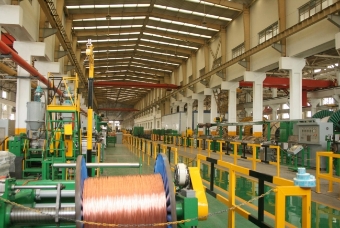
A packaging plant loses output when one link breaks the flow
A corrugator line cable supports equipment exposed to heat, steam and continuous mechanical work. The route may stretch across a long production hall, so voltage, motor duty and installation access should be considered together rather than as separate boxes on a form.
Printing and finishing sections face different pressures. A printing machine power cable needs clear line identification, while die cutters and folder gluers may be rearranged as product mix changes. The cable system should support that flexibility instead of locking the factory into confusing records.
Where corrugated packaging factory cable decisions affect customers most
Corrugator heat is concentrated along the line
Steam and hot surfaces are local conditions, not a reason to describe the whole building as high temperature. Marking the actual hot sections helps the project team discuss the right route and keeps ordinary warehouse or finishing feeders from being mixed into the same assumption.
Paper dust reaches more areas than expected
Dust collection, housekeeping and equipment enclosures affect how the plant operates. A packaging conveyor cable route near paper handling may need different attention from a clean electrical room. Buyers should describe where dust accumulates and how maintenance teams access the route.
Finishing equipment changes with the order book
Packaging plants add printers, die cutters and pallet handling equipment as customer demand changes. Circuit names tied to line and machine identity make these changes easier because old and new loads can be compared without tracing anonymous feeders.
Compressed air and utilities are shared risks
A compressor or dust extraction failure can affect several machines at once. Shared utility feeders should be visible in the project story, not buried among small individual loads, because their operational consequence is larger than their position on the list suggests.
Why a faster printer can expose an older electrical plan
A plant may replace one printer with a faster model to increase throughput. The new machine changes not only its own load but also the pace of conveyors, finishing equipment and pallet handling. An old cable list may not show whether shared utilities and route capacity can support that change.
A practical review follows the material flow from corrugator to dispatch and identifies which systems must keep pace. JINCHUAN Cable can then consider the printer, related motors and route conditions as one project rather than a single replacement feeder.
This gives management a clearer picture of what the investment needs and gives maintenance a set of records that matches the upgraded line.
Choosing the right corrugated packaging factory power cable supplier by business value
For packaging producers, plant engineers and line expansion teams, supplier comparison should begin with the results the project must protect: throughput, printing and finishing continuity, shared utility reliability and flexible line changes. The cable proposal should show how its assumptions connect with those operating priorities.
Price still matters in corrugated packaging factory projects, but it should be read beside route conditions, critical loads, cable identity and what is included in the offer. A lower figure can become expensive if site teams later discover that the route, operating duty or delivery grouping was misunderstood.
The most useful corrugated packaging factory proposal is easy for different teams to read. Engineering can understand construction and duty, purchasing can see commercial scope, and maintenance can recognize how the cable will be identified after installation.
The cable plan should follow the product mix
Packaging demand can shift between box sizes, printing requirements and finishing steps. Plants that keep route space and consistent machine names are better positioned to rearrange equipment without losing control of their electrical history.
When a repeat cable order refers to the same line sections and approved product details, the supplier can focus on the new operating requirement. That supports faster, more confident expansion discussions.
Turning operating needs into clear cable requirements
Technical detail matters when it is connected to the operation. Voltage, conductor, insulation, sheath, armor, fire performance and motor duty should be discussed in relation to the corrugated packaging factory route and operating consequence.
For corrugated packaging factory projects, references such as IEC 60502, IEC 60228 and IEC 60332 can help both sides use consistent terminology. They do not replace the project specification or the buyer's responsibility to confirm the design. Their value is to make supplier discussions clearer and easier to compare.
How JINCHUAN Cable supports corrugated packaging factory projects
For buyers evaluating the corrugated packaging factory power cable supplier, JINCHUAN Cable can support packaging projects by looking at the whole production flow, from corrugation and printing to finishing and warehouse movement. The brand becomes more useful when its cable recommendations connect with throughput, flexibility and maintenance needs.
corrugated packaging factory buyers can explore JINCHUAN Cable products and learn more about the JINCHUAN Cable company. For a quotation, share the project purpose, critical loads, route conditions, cable schedule, quantities, destination and expected approval records.
That information allows JINCHUAN Cable to respond to the way the corrugated packaging factory operates. It also gives buyers a stronger basis for comparing offers and preserving useful records for future maintenance or expansion.
FAQ
What should buyers expect from the corrugated packaging factory power cable supplier?
Buyers should expect a discussion that connects cable construction with the operating conditions, critical loads and future plans of the corrugated packaging factory.
Why is cable planning important for corrugated packaging factory projects?
Cable planning for the corrugated packaging factory supports uptime by keeping critical systems, shared utilities, route conditions and maintenance needs visible before installation.
Is the lowest cable price always the best value?
No. Supplier comparison for corrugated packaging factory projects should include operating fit, route assumptions, identification, included records, packing and the risk of changes after approval.
How can buyers make the first inquiry more useful?
Describe the corrugated packaging factory operating problem, explain what must keep running and attach technical data that supports that requirement.
Can JINCHUAN Cable review this type of corrugated packaging factory project?
Yes. JINCHUAN Cable can review the corrugated packaging factory cable schedule, loads, routes, site conditions, quantities and document expectations supplied by the buyer.
Why do equipment and route names matter?
In corrugated packaging factory projects, they help engineering, receiving, installation and maintenance teams connect each cable with its actual purpose throughout the project.
Should future expansion be discussed before ordering?
Yes. Known corrugated packaging factory expansion stages can affect route space, distribution planning, circuit naming and the usefulness of today's cable records.
Which technical references may be discussed?
Teams working on corrugated packaging factory projects may discuss IEC cable and conductor references, but the approved project specification remains the final basis for the order.
What information makes the first supplier reply more useful?
For corrugated packaging factory projects, provide the load list, voltage, route, installation environment, operating dependencies, quantities, destination and required records.
How does a clear cable discussion help a buyer?
It connects the corrugated packaging factory cable decision with uptime, maintenance and growth, then gives the buyer a practical basis for supplier comparison.