
A detergent factory power cable supplier should understand that a batch can be delayed by more than the main mixer. A dosing pump, transfer system or ventilation fan may determine whether production can start, finish or move to filling.
The direct answer is to connect each feeder with the batch step and room condition it supports. Mixing, dosing, utilities and packaging should not be hidden inside one general chemical-factory description.
This makes supplier quotations easier to compare and gives maintenance teams a more practical map of the plant when production time is limited.
Why batch equipment and shared utilities must be planned together
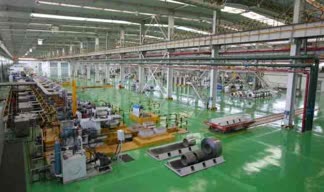
Detergent production may include raw-material storage, dosing, mixing, heating, transfer, holding and filling. The process can move between tanks and skids that look similar while serving different products or batch stages.
Equipment tags used by operators should also appear in the cable schedule and labels. That connection helps teams isolate the right circuit without guessing among repeated pumps and vessels.
Three decisions that define the right detergent factory power cable supplier
Identify the small loads that control a batch
A dosing pump cable may serve an ingredient that must enter at the correct stage. The motor may be small, but its failure can hold the full mixer and delay downstream filling.
Classifying circuits by batch consequence helps the buyer give the right attention to dosing, transfer, heating and ventilation systems.
Separate chemical, cleaning and utility routes
Conditions near raw materials, mixing, cleaning and dry electrical rooms can differ significantly. Route boundaries should be described by area and actual exposure.
Clear boundaries allow the detergent factory power cable supplier to explain construction assumptions instead of applying one broad chemical label to every circuit.
Keep packaging changes from confusing permanent infrastructure
A detergent filling line cable may support fillers, cappers, labelers, conveyors and case packing. Container sizes and packaging formats may change frequently.
Stable line identifiers and documented spare capacity help new equipment connect with the plant without turning temporary modifications into hidden permanent circuits.
Translate batch and room conditions into supplier-ready information
Buyers can make an RFQ more useful by showing the process role and route condition behind each major cable group.
| Production area | Main concern | What the buyer should clarify |
|---|---|---|
| Raw-material dosing | Accuracy and batch timing | Pump tags, control dependency and route exposure |
| Mixing and holding | Motor duty and shared heating | Vessel names, starting method and critical utilities |
| Ventilation and cleaning | Room availability and moisture | Area served, cleaning practice and access |
| Filling and packing | Format changes and line speed | Line identity, spare capacity and expansion plan |
Adding a concentrated-liquid line inside an operating plant
A producer may add new mixing vessels and a smaller-container filling line for concentrated detergent. The project affects dosing, transfer, ventilation, cleaning and packaging as well as the main mixers.
The project team maps each vessel, pump and room before finalizing cable groups. JINCHUAN Cable can then review the new process with route conditions and shared utilities clearly separated.
This supports a controlled installation and creates records that explain how the new product line connects with the existing factory.
What buyers should include in the RFQ
The first inquiry should describe batch dependencies, route conditions and the production areas that must remain available during installation.
- System voltage and frequency
- Load or cable schedule
- Motor ratings and starting method
- Route length and installation method
- Indoor, outdoor, wet, dusty or hot route conditions
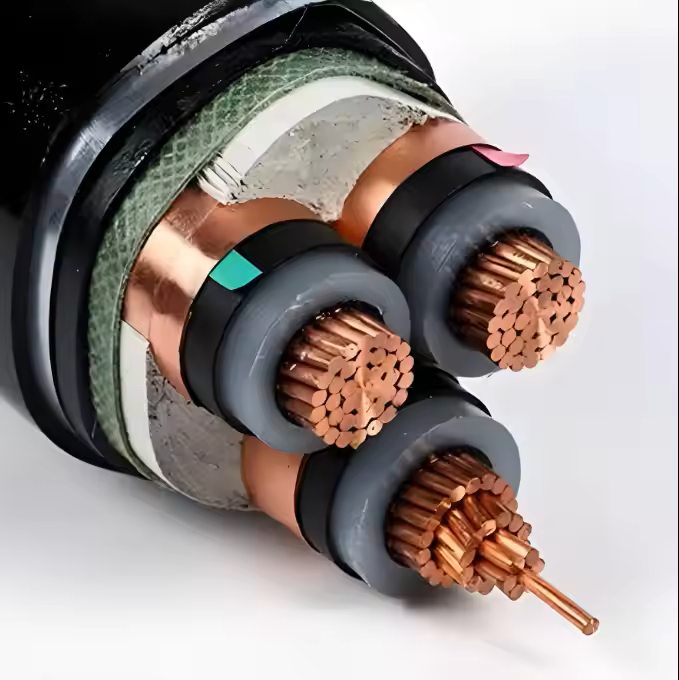
- Required conductor, insulation, sheath and armor details
- Destination, delivery stages and required records
- Vessel and dosing-pump tags
- Chemical and cleaning route boundaries
- Container formats and planned line changes
For detergent factory projects, references such as IEC 60502, IEC 60228 and IEC 60332 can help both sides use consistent terminology. They do not replace the approved project specification or the buyer's responsibility to confirm the design.
Common mistakes that increase project risk
Using one chemical-area specification
The actual exposure near a tank, filling line or electrical room may be different and should be stated by route.
Ignoring dosing and transfer pumps
Small pumps can control whether an expensive batch moves forward.
Repeating generic circuit names
Labels should connect with vessel, skid and line names recognized by production.
Treating packaging as a permanent layout
Format changes are common, so route capacity and records should support later modification.
Which detergent factory projects need this level of planning?
This approach is useful for batch plants with repeated vessels, shared utilities, multiple formulations or filling-line changes.
- New detergent factories
- Mixing and dosing expansions
- Additional filling lines
- Projects inside operating chemical facilities
A simple single-vessel operation may need fewer documentation layers, but equipment tags and chemical-route assumptions should still be explicit.
How JINCHUAN Cable supports detergent factory projects
For detergent producers, process engineers and chemical plant project teams evaluating the detergent factory power cable supplier, JINCHUAN Cable can connect detergent mixing, dosing, ventilation and filling with their actual plant zones and operating consequences, helping buyers compare proposals with clearer scope.
Providing vessel tags, route environments, motor information and delivery stages allows JINCHUAN Cable to respond to the production system rather than a disconnected list of cable items.
Buyers planning detergent factory projects can review JINCHUAN Cable products and learn more about the JINCHUAN Cable company. A useful first inquiry should explain the project purpose, critical loads, route conditions, quantities, destination and expected records.
That information helps JINCHUAN Cable connect technical construction with controlled batching, accurate dosing, dependable ventilation and reliable filling, giving the buyer a stronger basis for supplier comparison and future maintenance.
FAQ
What should buyers expect from the detergent factory power cable supplier?
Buyers should expect a discussion that connects cable construction with critical loads, route conditions, maintenance needs and future plans for the detergent factory.
Why is cable planning important for detergent factory projects?
Cable planning for the detergent factory supports uptime by keeping shared systems, operating conditions and circuit identity visible before installation.
Is the lowest cable price always the best value?
No. Supplier comparison for detergent factory projects should include operating fit, route assumptions, records, packing and the risk of changes after approval.
How can buyers make the first inquiry more useful?
Describe what must keep running in the detergent factory, then provide load, voltage, route, environment, quantity and document information.
Can JINCHUAN Cable review this type of detergent factory project?
Yes. JINCHUAN Cable can review the detergent factory cable schedule, loads, routes, site conditions, quantities and expected approval records.
Why do equipment and route names matter?
In detergent factory projects, they help engineering, receiving, installation and maintenance teams connect every cable with its actual purpose.
Should future expansion be discussed before ordering?
Yes. Known detergent factory expansion stages can affect route space, distribution capacity, circuit naming and the value of today's records.
Which technical references may be discussed?
Teams working on detergent factory projects may discuss IEC cable and conductor references, while the approved specification remains the final basis for the order.
What information makes a supplier reply more useful?
For the detergent factory, provide the load list, voltage, route, installation environment, operating dependencies, quantities, destination and required records.
How does a clear cable plan support the buyer?
It connects the detergent factory cable decision with uptime, maintenance and growth, giving the buyer a practical basis for comparing suppliers.