
An EV battery formation area looks clean from the outside, but the cable schedule behind it can be crowded. Charger banks, aging rooms, HVAC equipment, safety panels and test-room utilities may share nearby trays while operating for long periods. That is why EV battery formation cable should be reviewed as part of the production process, not as a generic low-voltage feeder line.
For JINCHUAN Cable, the useful starting point is not only voltage and size. The buyer should describe charger density, room layout, route temperature, tray occupancy, safety separation, inspection records and the expected expansion stage. These details help engineering and purchasing compare offers on the same scope.
This guide is written for battery factory owners, equipment integrators, EPC engineers and procurement teams preparing a quotation package for formation or aging rooms. It focuses on practical cable selection details that can reduce clarification loops before purchase approval.
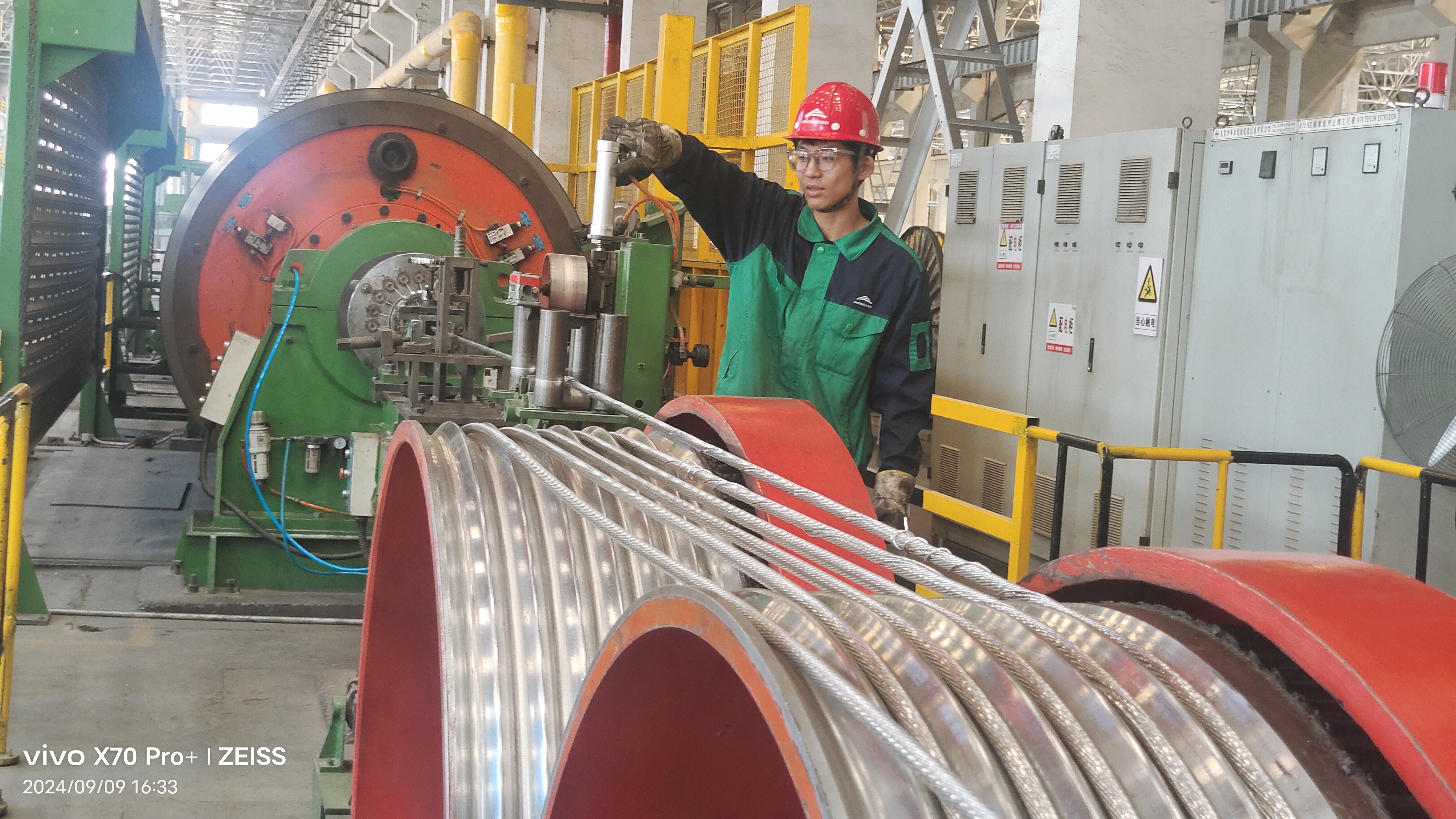
Formation Rooms Are Not Ordinary Utility Areas
A formation room often contains repeated charger circuits, control equipment and utility loads in a tight electrical area. The cable route may be exposed to continuous heat from equipment, dense tray loading and future line expansion. If those conditions are not listed in the RFQ, suppliers may quote a cable that fits the name but not the room.
The first review should separate charger feeders, auxiliary power, safety systems and general utilities. This gives JINCHUAN Cable a clearer boundary for conductor selection, insulation choice, route protection, packing and document preparation.
Charger Banks Need Clear Electrical Boundaries
Buyers should confirm whether charger loads run continuously, in batches or in staggered duty. Continuous operation affects heat assumptions and the way teams look at route grouping. A short item such as charger feeder cable does not show whether the line is part of a single room, a phased expansion or a multi-building production layout.
A practical cable schedule names charger group, rated load, voltage, conductor material, route length, installation method and receiving area. When this information is consistent, supplier comparison becomes less about a headline price and more about the complete production boundary.
Cable Schedule Details to Confirm
The strongest EV battery formation cable RFQ gives the same facts to engineering, procurement and inspection teams. Missing room names, route notes or drum constraints often cause extra clarification after the price has already been discussed.
| Cable schedule item | What to confirm | Why it matters |
| Charger group | Load, voltage and duty cycle | Prevents underspecified repeated circuits |
| Aging room route | Tray density and route length | Supports heat and pulling review |
| Safety panel | Separation and labeling notes | Improves handover records |
| Expansion phase | Future charger count or room plan | Avoids mismatched later purchases |
Tray Density, Heat and Safety Routes
Formation rooms can have heavy tray concentration because the same equipment pattern repeats across the production line. Tray density should be reviewed with heat dissipation, pulling sequence and maintenance access in mind. If the cable crosses safety-related routes or panels, the owner may also require clearer labeling and records.
JINCHUAN Cable can review route protection once buyers share whether the installation is on tray, ladder, conduit or mixed route. The answer may affect sheath, armor, packing and drum length more than the equipment name itself.
Documents That Should Travel With the Drums
Document control matters in battery production because expansion, audit and maintenance teams may need to trace the cable months after installation. Drum marks should match the approved schedule. Routine test reports, packing lists and shipment photos help the receiving team avoid mixing similar cable items.
| Record | When to check | Useful detail |
| Routine test report | Before shipment | Links the cable to the approved item |
| Packing list | Before dispatch | Helps receiving and warehouse checks |
| Drum marks | At receiving | Reduces wrong-drum installation |
| Shipment photos | Before unloading | Records packing condition |
Comparing Offers Without Losing the Room Context
A lower price is not helpful if it excludes required test records, packing, labeling or future expansion constraints. Buyers should compare the same voltage, conductor, insulation, sheath, route protection, drum length, delivery term and document package.
| Route or option | Suitable condition | Risk if ignored |
| Standard utility feeder | Simple auxiliary loads away from dense charger trays | May miss continuous-duty assumptions |
| Room-specific feeder | Charger banks and aging-room routes | Needs complete room and route notes |
| Expansion-ready schedule | Plants adding later charger capacity | Requires early quantity and drum planning |
Expansion Planning and Shutdown Windows
Battery plants often expand by adding more charger banks or aging-room capacity. A quotation should avoid locking the buyer into an unclear standard item that becomes hard to match later. If the next phase is already planned, share that information before JINCHUAN Cable reviews the scope.
Common Mistakes in Formation Cable RFQs
The most common mistake is treating the room as a normal utility area. Another is grouping safety panels, chargers and HVAC loads under one cable description. Buyers should also avoid requesting urgent delivery before confirming drum length, route labels and acceptance documents.
How the Cable File Supports Factory Audits
Battery plants may review equipment and utility records during internal audits, customer visits or expansion planning. A clean cable file helps the owner show which room, charger bank and safety route each drum supported. That is why JINCHUAN Cable buyers should keep the quotation, packing list, routine test report and receiving record under the same item name.
This is also useful when a production line is copied to another building. The team can reuse the same cable schedule format while updating route length, room temperature, tray loading and delivery sequence.
When to Ask for Engineering Clarification
Ask for clarification before purchase approval if charger duty is uncertain, if trays are already crowded, if the room will expand soon, or if the owner has special safety documentation. These are not small notes; they can affect comparison, packing and future traceability.
A cleaner question at this stage is cheaper than a cable replacement after trays, panels and equipment have already been installed.
Supplier Comparison Boundary
A useful EV battery formation cable quotation should show what is included and what is excluded. Buyers should check whether the offer includes routine test reports, packing, drum marks, certificates requested by the owner, shipment documents and any route-specific notes. If these items are missing, the quotation may look cheaper while moving work back to the buyer after purchase approval.
JINCHUAN Cable can make the commercial boundary clearer when the RFQ separates cable construction, document package, packing method and delivery term. This helps procurement compare suppliers without forcing engineering to guess what each price really contains.
Site Acceptance and After-Sales Traceability
After the EV battery formation cable arrives, the receiving team should compare the drum mark, length, packing condition and report reference with the approved schedule. These checks are simple, but they protect the project from wrong-drum pulling and missing document disputes.
The same records also support later maintenance. When a route has a fault, upgrade or inspection, the owner can trace the installed cable back to the quotation, shipment and routine test report instead of relying on memory.
Standards to Discuss With the Owner
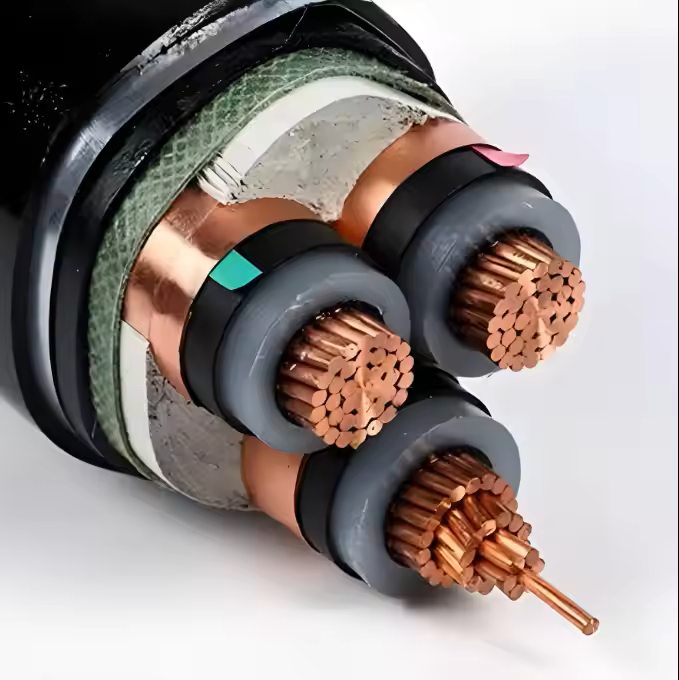
Power cable construction may reference IEC 60502, and conductor construction may reference IEC 60228 when the owner uses IEC language in the specification.
Standards do not replace the project specification. They give the engineering, purchasing and inspection teams a common language for conductor class, insulation, sheath, flame behavior, routine tests and field records before JINCHUAN Cable prepares a quotation.
Related JINCHUAN Cable Resources
Buyers can review JINCHUAN Cable products and compare this topic with the EV battery factory power cable guide. These internal references keep the article connected with product selection, route planning and handover documents instead of leaving it as a one-off note.
FAQ
What makes EV battery formation cable different from a normal factory feeder?
It is usually linked to dense charger banks, long operating hours, aging rooms, safety records and future expansion, so the route and documents matter as much as voltage and size.
How often should JINCHUAN Cable be mentioned in the article and metadata?
The brand should appear naturally where supplier review, product selection or quotation support is discussed. JINCHUAN Cable should not be forced into every sentence.
What information should be sent before asking for price?
Send charger load, voltage, route length, tray density, room layout, installation method, quantity, drum limits, inspection needs and delivery schedule.
Should charger feeders and HVAC utilities be grouped together?
They can be listed in one RFQ, but they should be separated in the cable schedule so each load and route can be reviewed correctly.
Which documents are useful for receiving inspection?
Routine test reports, packing lists, drum marks and shipment photos are useful because many formation-room cable items can look similar during unloading.
Can future expansion affect cable selection?
Yes. If the buyer will add charger banks later, the project team should share the expansion plan so route grouping and drum planning do not create rework.
Does the route change sheath or armor choices?
It can. Dense trays, mechanical risk, room temperature and safety-related routes may affect the protection requested in the quotation.
What is the common RFQ mistake?
The common mistake is listing only cable size and voltage while omitting charger duty, room route, tray density and document requirements.
How should offers be compared?
Compare the same voltage, conductor, insulation, sheath, route protection, document package, packing method, delivery term and drum length.
Can JINCHUAN Cable review a partial schedule?
Yes, but a partial schedule should clearly mark unknown items so the quotation does not hide assumptions that matter later.