
A fiberglass factory power cable supplier should plan for a continuous thermal and fiber-forming process. The furnace is central, but bushings, cooling, sizing, gathering and winding must remain synchronized to avoid broken production flow.
The buying decision should expose red flags such as generic heat assumptions, missing utility dependencies and records that cannot identify individual fiberizing positions.
This guide links those risks with cost, operating choices and a practical audit.
Six red flags in a fiberglass cable proposal
These signs suggest that the offer may not understand continuous fiber production.
Red flag: Only the furnace is called critical
Why it matters: cooling and fiberizing support can stop several positions Better requirement: Rank every shared system by production consequence.
Red flag: The full building is labeled high temperature
Why it matters: fiberizing, sizing and winding routes differ Better requirement: Mark hot sections precisely.
Red flag: Bushing positions have no permanent identity
Why it matters: maintenance records cannot locate the affected circuit Better requirement: Use stable furnace, zone and position names.
Red flag: Sizing pumps are treated as minor utilities
Why it matters: their loss can interrupt fiber quality and continuity Better requirement: Connect them with every served position.
Red flag: Drying and winding are reviewed later
Why it matters: finished product may become the real bottleneck Better requirement: Balance downstream capacity before approval.
Red flag: The supplier assumes process settings
Why it matters: qualification data belongs to the process owner Better requirement: State buyer inputs and supplier limits clearly.
Correcting these red flags makes the proposal easier to verify and maintain.
Where fiberglass cable-project costs really change
The schedule total is shaped by route and operating assumptions beyond conductor size.
| Cost driver | Project impact | Control before ordering |
|---|---|---|
| Continuous duty | Thermal and shared systems have high interruption consequence | Provide operating and recovery assumptions |
| Heat by route section | Construction may vary around furnaces and ordinary corridors | Mark local exposure accurately |
| Cooling and sizing networks | One feeder can affect several positions | Map dependency and standby |
| Long distributed lines | Lengths, voltage drop and drum allocation change | Verify route and installation stages |
| Production records | Poor identity extends fault location | Agree position labels and final revisions |
These drivers should be visible beside price so offers can be compared on the same basis.
Protect continuous glass and fiber flow
A useful fiberglass factory power cable supplier begins by mapping batch preparation, melting, forehearth conditioning, fiberizing, sizing application, gathering, drying, winding and packing. The schedule should connect every important cable group with production flow, quality or final release before suppliers are compared.
A glass melting furnace cable operates with fans, cooling, controls and batch feed that support long-duration production. Route heat should be marked by actual section rather than assumed across the site.
A fiberizing line power cable and fiberglass winding line cable serve synchronized positions where cooling, sizing and pull speed affect product continuity. Clear position identities support fast maintenance.
Which fiberglass reliability investment comes first?
Choose the production symptom with the largest continuous-flow consequence.
Melt supply is unstable
Review batch feed, furnace support, cooling and controls.
Several fiberizing positions stop together
Trace shared cooling, sizing, air and distribution systems.
Fiber breaks at individual positions
Check local position duty, identity, maintenance access and process inputs.
Winding queues grow
Balance drying, winding, handling and packing against pull rate.
The selected branch should guide the cable scope and the evidence requested from suppliers.
Scenario: more bushings expose winding capacity
Situation: A factory adds fiberizing positions to increase output.
Finding: Melting and cooling can support the change, but dryers, winding positions and material handling remain based on the original pull rate.
Decision: The buyer maps the complete fiber path and adds affected downstream cable groups to the expansion package.
Expected result: The investment is measured by packed fiberglass rather than the number of active bushings.
A continuous-process audit before cable release
Confirm each production dependency and route boundary.
- Batch feed and furnace support are connected.
- Cooling, sizing and air systems show every served position.
- Hot, wet and ordinary routes are separated.
- Drying, winding and packing match the target pull rate.
- Labels, drum groups, exclusions and final records are agreed.
The audit creates a usable baseline for maintenance and later position additions.
Questions that improve a fiberglass RFQ
These questions make process assumptions explicit without asking the cable supplier to invent them.
How many fiberizing positions may run together?
Provide normal and expansion cases with the shared utilities serving them.
Where are the actual high-heat routes?
Mark furnace, forehearth and transition sections separately.
Which systems are shared across positions?
List cooling, sizing, air, drying and handling dependencies.
What output must downstream equipment accept?
Use packed or wound product targets rather than bushing count alone.
Which records are required?
Agree cable data, labels, tests and final revisions before production.
Clear answers let suppliers price the real factory instead of a generic high-temperature application.
RFQ inputs for continuous fiberglass production
The request should combine thermal process, fiberizing positions and downstream capacity.
- System voltage and frequency
- Load or cable schedule
- Motor ratings and starting method
- Route length and installation method
- Actual wet, dusty, hot, outdoor or mechanical conditions
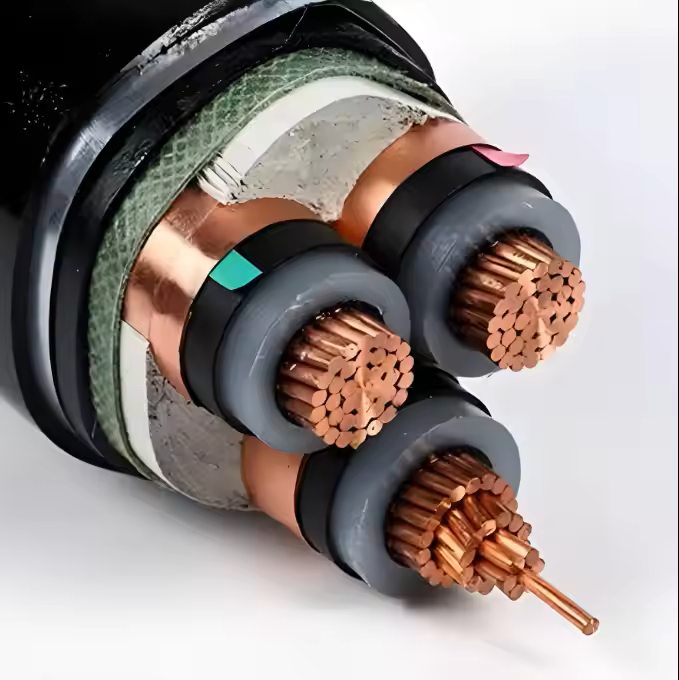
- Required conductor, insulation, sheath and armor details
- Destination, delivery stages and required records
- furnace and pull-rate target
- fiberizing position count and duty
- cooling, sizing and air dependencies
- drying, winding and handling capacity
- hot, wet and long route sections
For fiberglass factory projects, references such as IEC 60502, IEC 60228 and IEC 60332 can help both sides use consistent terminology. They do not replace the approved specification or the buyer's responsibility to confirm the design.
How JINCHUAN Cable supports fiberglass factory decisions
For glass fiber manufacturers, furnace engineers and continuous-process project teams evaluating the fiberglass factory power cable supplier, JINCHUAN Cable can review furnace, fiberizing and winding cable groups against the production and route information supplied by the buyer.
The offer can make construction, identification, delivery and records visible while process qualification and final electrical design remain with qualified specialists.
Buyers can review JINCHUAN Cable products and learn more about the JINCHUAN Cable company. Share the project purpose, critical loads, route conditions, quantities, destination and expected records to create a stronger basis for technical and commercial comparison.
Send the position dependency and route map to obtain a quotation focused on continuous fiber output and maintainable expansion.
FAQ
What should buyers expect from a fiberglass factory power cable supplier?
Buyers should expect the proposal to connect cable construction with continuous thermal duty, fiberizing continuity, cooling and sizing systems, drying and winding balance, not merely repeat conductor sizes from a schedule.
Which part of the fiberglass factory should be mapped first?
Start with batch preparation, melting, forehearth conditioning, fiberizing, sizing application, gathering, drying, winding and packing. This shows which supporting loads can interrupt more than one production stage.
How should quotations for the fiberglass factory be compared?
Compare the stated route assumptions, operating duty, included records, delivery grouping and exclusions beside price. That exposes scope differences before approval.
Which route conditions matter in a fiberglass factory?
The inquiry should distinguish dusty batch areas, high-heat furnace zones, fiberizing floors, wet sizing systems, dryers, winding rooms and utility corridors. Broad labels such as indoor or industrial are rarely precise enough for a useful review.
What hidden risk deserves attention in this project?
A common hidden risk is treating the furnace as the only critical process while cooling, sizing or winding interruptions can break continuous fiber production. Its production consequence may be greater than the connected load suggests.
Should future changes be discussed before ordering?
Yes. more bushings, higher pull rates, expanded drying and additional winding positions can affect route capacity, circuit names, distribution space and the value of today's approval records.
Which records help after installation?
Useful records include furnace, bushing and line identities, cooling and sizing dependencies, hot-route notes and production revisions. They help receiving, installation and maintenance teams connect each cable with its purpose.
Which technical references may support the discussion?
IEC 60502, IEC 60228 and IEC 60332 may provide common terminology, while the approved project specification remains the final design basis.
What should be sent with the first RFQ?
Send the cable or load schedule plus project details such as furnace and pull-rate target, fiberizing position count and duty, cooling, sizing and air dependencies, drying, winding and handling capacity, hot, wet and long route sections. Clear inputs allow suppliers to identify assumptions instead of guessing.
How can JINCHUAN Cable support the fiberglass factory?
JINCHUAN Cable can review the schedule, routes, operating conditions, quantities and required records against the result the buyer needs to protect: stable melting, continuous fiberizing, controlled sizing, reliable drying and balanced winding.