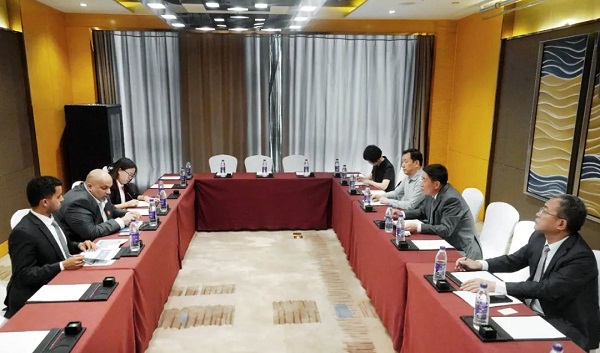

A gear factory power cable supplier should help protect dimensional quality and process flow, not simply energize a row of machine tools. Hobbing, heat treatment, grinding and inspection create different operating consequences when power is interrupted.
The direct answer is to prioritize circuits by product risk: first batch-quality processes, then shared systems serving several machines, then final inspection gates that control shipment.
This decision path gives engineering and purchasing a clearer way to compare scope, limitations and evidence before approval.
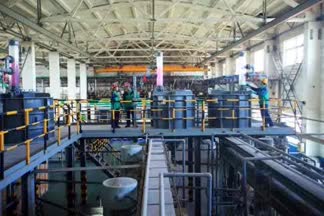
Failure path: when a coolant feeder stops more output than a large machine
Situation: A machining hall adds two hobbing machines and records each main feeder carefully.
Finding: The shared coolant and filtration system remains on an older circuit with unclear ownership. When it stops, several machines lose stable operating conditions and work in process accumulates before heat treatment.
Decision: The buyer ranks shared systems by the number of cells and quality steps they affect, then updates circuit identities and standby assumptions.
Expected result: Supplier comparison now reflects recoverable production and quality risk rather than connected kilowatts alone.
Which gear-production load should receive the highest priority?
Choose the branch that matches the consequence of losing the circuit, then confirm the route and approved electrical duty.
It can affect a heat-treatment batch
A gear heat treatment cable and its furnace auxiliaries should be reviewed with cycle stage, cooling or atmosphere support and recovery limits.
It serves several machining cells
Coolant, filtration, air or material handling can deserve higher operational priority than one individual gear hobbing machine cable.
It controls final product release
A gear inspection machine cable may have modest demand but can prevent finished gears from being accepted and shipped.
It affects one replaceable machine
Use clear machine identity, route information and maintenance access without overstating plant-wide consequence.
This decision tree keeps the cable schedule connected with production reality and avoids calling every circuit equally critical.
A process-risk table for gear manufacturing
Use the table to identify which missing assumptions could affect quality, throughput or delivery.
| Process | Main risk | Information to clarify |
|---|---|---|
| Hobbing and shaping | Machine-cell downtime and work-in-process queue | Motor duty, coolant, cell name and starting method |
| Heat treatment | Batch properties or schedule affected | Furnace group, cycle, atmosphere and hot routes |
| Grinding | Finish and dimensional flow stop | Machine duty, filtration and environmental control |
| Washing | Parts cannot enter inspection cleanly | Pumps, heaters, chemistry and shared line identity |
| Inspection | Finished gears cannot be released | Room supply, machine groups and required records |
Four supplier checkpoints that reveal whether the scope is complete
A useful gear factory power cable supplier should answer these points directly in the proposal.
Are shared utilities tied to the machines they support?
Coolant, filtration, air and washing systems should not disappear into a general utility list.
Are hot, oily and controlled routes separated?
Furnace corridors, machining cells and metrology spaces require different assumptions.
Do labels use permanent identities?
Machine cells, furnace groups and inspection rooms survive product-number changes.
Are limits and exclusions visible?
Protection studies, accessories, tests and documentation outside the offer should be stated before price comparison.
Release-readiness audit before the purchase order
The buyer can use this short review to confirm that operating and quality responsibilities remain visible.
- The production map follows gears from blank preparation through final inspection.
- Each shared utility lists the cells or rooms it supports.
- Heat-treatment batches and recovery assumptions are documented.
- Route conditions are marked by actual zone rather than one factory-wide label.
- Cable labels, drum groups and records use the same permanent names.
- Known expansion stages are included in the capacity discussion.
Any unchecked item should become a clarification, not a hidden assumption carried into manufacturing.
Compare cable offers by the evidence they leave behind
Price matters, but the long-term value changes when one offer provides traceable assumptions and another leaves them implicit.
Schedule-only offer
Best fit: buyers with a fully coordinated design and documentation system. It may be lower in price, but route, labeling and record responsibilities remain with the buyer.
Cell-based offer
Best fit: machining expansions organized around stable production cells. It improves installation and maintenance clarity, provided shared utilities remain connected.
Quality-gate offer
Best fit: projects where heat treatment and inspection control acceptance. It focuses on product consequence, although final process qualification must remain with the responsible specialists.
The preferred offer should match the factory's decision task and state the evidence included at handover.
RFQ inputs for precision gear production
The inquiry should show both machine duty and the quality gates that control accepted output.
- System voltage and frequency
- Load or cable schedule
- Motor ratings and starting method
- Route length and installation method
- Actual wet, dusty, hot, outdoor or mechanical conditions
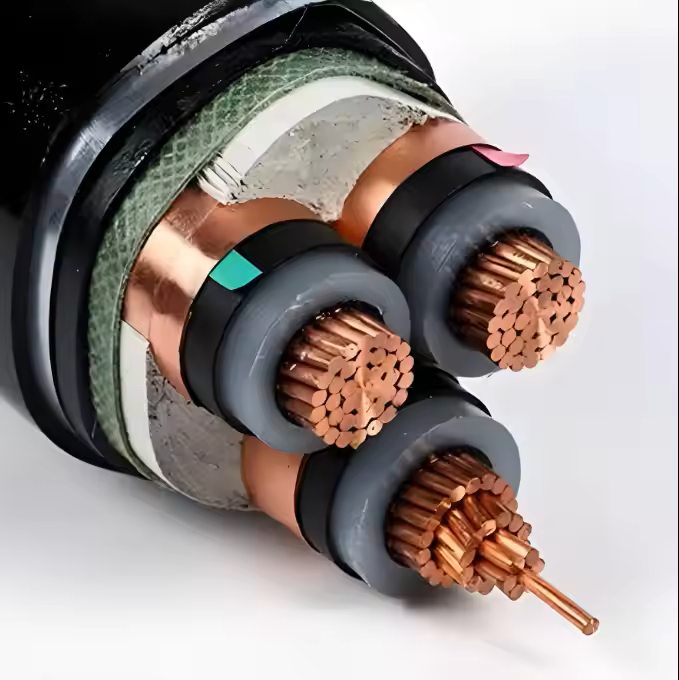
- Required conductor, insulation, sheath and armor details
- Destination, delivery stages and required records
- gear size and production mix
- hobbing, shaping and grinding cell schedule
- furnace cycles and heat-treatment dependencies
- coolant, washing and inspection systems
- required labels, tests and approval records
For gear factory projects, references such as IEC 60502, IEC 60228 and IEC 60332 can help both sides use consistent terminology. They do not replace the approved specification or the buyer's responsibility to confirm the design.
How JINCHUAN Cable supports gear factory decisions
For gear manufacturers, precision-machining engineers and factory project teams evaluating the gear factory power cable supplier, JINCHUAN Cable can review machining cells, shared utilities, heat-treatment areas and inspection rooms as connected parts of the gear-production flow.
The proposal can clarify cable construction, route assumptions, delivery groups and records while final process qualification and electrical design remain with the responsible engineering team.
Buyers can review JINCHUAN Cable products and learn more about the JINCHUAN Cable company. Share the project purpose, critical loads, route conditions, quantities, destination and expected records to create a stronger basis for technical and commercial comparison.
Send the process map and mark each quality gate so the quotation can be evaluated against accepted gear output, maintainability and the next expansion.
FAQ
What should buyers expect from a gear factory power cable supplier?
Buyers should expect the proposal to connect cable construction with machine-cell duty, shared coolant, batch-quality risk, inspection capacity and maintainable records, not merely repeat conductor sizes from a schedule.
Which part of the gear factory should be mapped first?
Start with blank preparation, turning, hobbing or shaping, heat treatment, grinding, washing, inspection and packing. This shows which supporting loads can interrupt more than one production stage.
How should quotations for the gear factory be compared?
Compare the stated route assumptions, operating duty, included records, delivery grouping and exclusions beside price. That exposes scope differences before approval.
Which route conditions matter in a gear factory?
The inquiry should distinguish machining cells, oil and coolant areas, furnace zones, washing sections, metrology rooms and utility corridors. Broad labels such as indoor or industrial are rarely precise enough for a useful review.
What hidden risk deserves attention in this project?
A common hidden risk is ranking circuits only by motor size while a modest coolant, washer or inspection load can hold many completed gears. Its production consequence may be greater than the connected load suggests.
Should future changes be discussed before ordering?
Yes. new gear diameters, automated cells, another furnace and expanded inspection capacity can affect route capacity, circuit names, distribution space and the value of today's approval records.
Which records help after installation?
Useful records include cell and furnace names, shared-utility dependencies, route assumptions, approved cable data and final revisions. They help receiving, installation and maintenance teams connect each cable with its purpose.
Which technical references may support the discussion?
IEC 60502, IEC 60228 and IEC 60332 may provide common terminology, while the approved project specification remains the final design basis.
What should be sent with the first RFQ?
Send the cable or load schedule plus project details such as gear size and production mix, hobbing, shaping and grinding cell schedule, furnace cycles and heat-treatment dependencies, coolant, washing and inspection systems, required labels, tests and approval records. Clear inputs allow suppliers to identify assumptions instead of guessing.
How can JINCHUAN Cable support the gear factory?
JINCHUAN Cable can review the schedule, routes, operating conditions, quantities and required records against the result the buyer needs to protect: stable machining, controlled heat treatment, accurate finishing and dependable gear release.