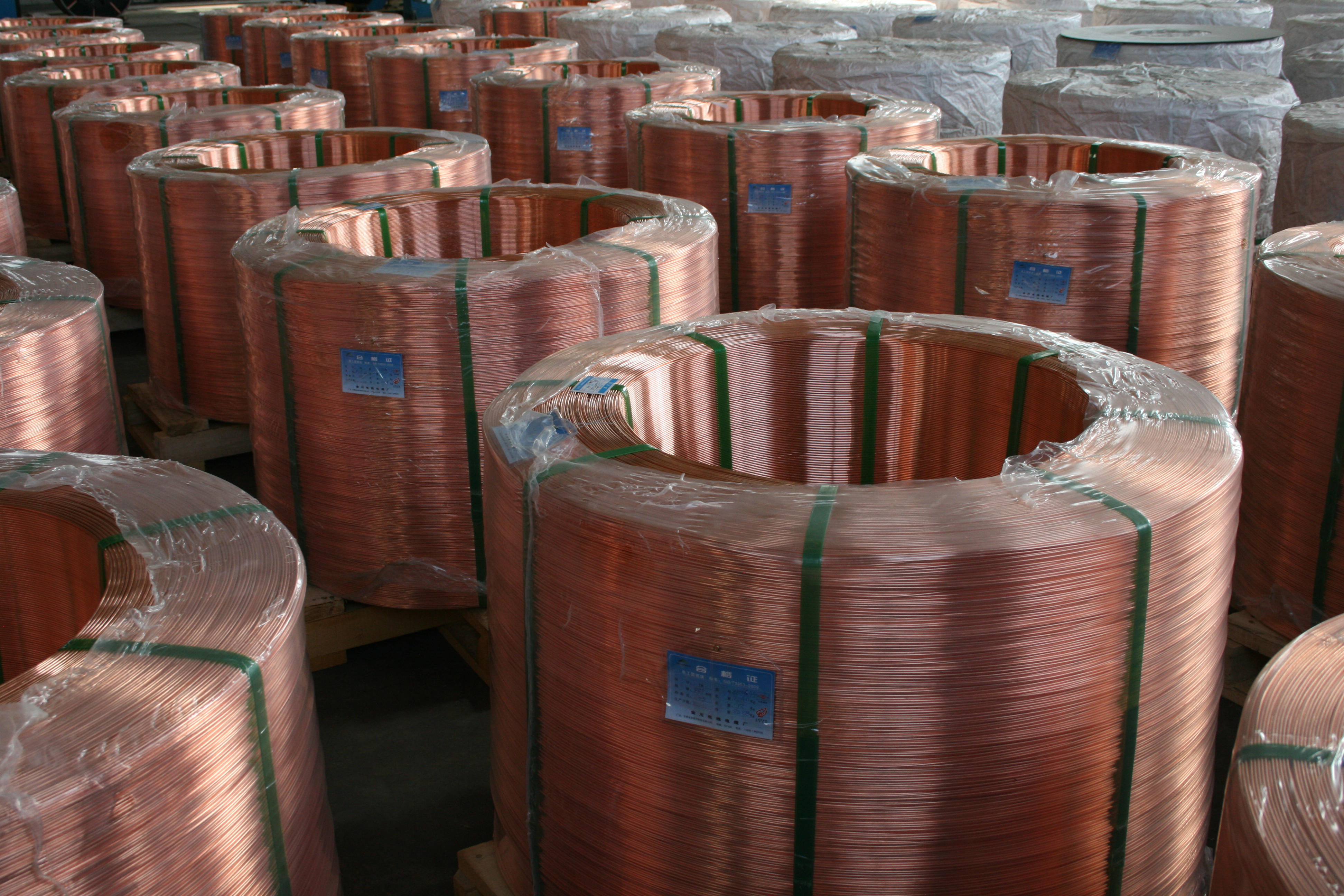

A glass recycling plant power cable supplier should plan around clean graded cullet, not tonnes entering a crusher. Color mix, ceramics, metals, labels and other contaminants determine the value of the recovered output.
Abrasive dust and optional wet-cleaning sections also require precise route boundaries rather than one plant-wide environment label.
This guide uses an investment decision map, material-flow symptoms and final-release comparison.
Decision map for the next glass recycling plant investment
Which branch releases more accepted clean glass cullet under the approved production mix?
Expand optical sorting
Best fit: plants losing value to mixed colors or contaminants Tradeoff: Reject handling and crusher feed must remain balanced.
Add crushing and cleaning
Best fit: plants with sorted glass waiting for size reduction Tradeoff: Dust, wear and water systems require approved data.
Increase grade storage
Best fit: plants with clean cullet waiting for dispatch Tradeoff: Segregation, labels and customer specifications must remain clear.
Use production evidence to select the branch before equipment and route assumptions are frozen.
glass recycling plant project handoff playbook
Each stage needs an owner and a usable output before the next team commits infrastructure.
| Work stage | Primary owner | Required output |
|---|---|---|
| Receiving and bag opening | Product engineering | Accepted envelope and batch identity; confirm feed sources, colors and contamination. |
| Sorting and metal removal | Production planning | Line range and target grades; confirm sensor coverage and reject handling. |
| Crushing and screening | Project engineering | Machines, extraction and sections; confirm abrasive wear, dust and particle size. |
| Cleaning and quality checks | Quality team | Approved dry or wet process; confirm labels, fines and non-glass contaminants. |
| Cullet storage and dispatch | Maintenance team | Product paths, labels and records; confirm grade segregation and bunker capacity. |
The playbook keeps technical decisions, delivery groups and final records synchronized.
Follow mixed glass into clean identified cullet grades
A useful glass recycling plant power cable supplier begins with glass receiving, bag opening, manual and optical sorting, metal removal, crushing, screening, aspiration or washing, quality inspection, cullet storage and dispatch. Each cable group should be linked with production flow, product quality or final release before technical and commercial offers are compared.
A glass sorting line cable supports conveyors, lighting, sensors and reject systems that protect downstream cullet quality.
A glass crusher power cable and cullet cleaning line cable serve abrasive size reduction, screening, extraction or washing whose capacity must remain balanced with sorting.
Scenario: more mixed-color feed fills sensor sorting
Situation: A recycler accepts a larger municipal glass stream with more color and contaminant variation.
Finding: Crushing capacity is available, but optical sorting and reject handling determine the clean cullet rate.
Decision: The buyer prioritizes sensor, conveyor and reject-system cable groups around the approved feed envelope.
Expected result: The plant raises graded clean cullet rather than low-value crushed glass volume.
Symptoms that expose an unbalanced glass recycling plant
Queues and repeated simultaneous stoppages give the project team a practical starting point.
Symptom: Mixed glass waits before optical sorting
Likely dependency: sensor or reject capacity is limiting Check: Measure feed colors and contamination.
Symptom: Crushers stop while conveyors remain full
Likely dependency: abrasive wear or extraction is limiting Check: Review duty and maintenance windows.
Symptom: Processed cullet fails purity checks
Likely dependency: cleaning or contaminant removal is limiting Check: Track reject types by source.
Symptom: Clean cullet backs up at bunkers
Likely dependency: grade storage or dispatch is limiting Check: Map bunker capacity and product paths.
Investigate the most persistent symptom before approving additional equipment or route capacity.
glass recycling plant production gates and cable evidence
Use this table to follow material through the factory and identify where completed value can wait.
| Area | Constraint to verify | Evidence for the cable scope |
|---|---|---|
| Receiving and bag opening | Feed sources, colors and contamination | Accepted envelope and batch identity |
| Sorting and metal removal | Sensor coverage and reject handling | Line range and target grades |
| Crushing and screening | Abrasive wear, dust and particle size | Machines, extraction and sections |
| Cleaning and quality checks | Labels, fines and non-glass contaminants | Approved dry or wet process |
| Cullet storage and dispatch | Grade segregation and bunker capacity | Product paths, labels and records |
The most important circuit may be a modest feeder whose failure blocks several upstream stages or prevents final release.
Before and after: how glass recycling plant capacity is measured
Changing the unit of capacity changes which cable groups receive priority.
Before: departments count isolated output
- Mixed glass waits before optical sorting
- Crushers stop while conveyors remain full
- Processed cullet fails purity checks
- Clean cullet backs up at bunkers
After: the factory counts accepted clean glass cullet
- Measure feed colors and contamination.
- Review duty and maintenance windows.
- Track reject types by source.
- Map bunker capacity and product paths.
The revised measure links cable investment with shipment, quality and maintainability.
RFQ details for glass cullet quality
The request should describe feed variation, target grades and cleaning method.
- System voltage and frequency
- Load or cable schedule
- Motor ratings and starting method
- Route length and installation method
- Actual wet, dusty, hot, outdoor or mechanical conditions
- Required conductor, insulation, sheath and armor details
- Destination, delivery stages and required records
- glass sources, colors and contamination ranges
- receiving, bag opening and conveyors
- manual, optical and metal separation
- crushers, screens, extraction or washing
- quality checks, bunkers, dispatch and records
For glass recycling plant projects, references such as IEC 60502, IEC 60228 and IEC 60332 can help both sides use consistent terminology. They do not replace the approved specification or the buyer's responsibility to confirm the design.
How JINCHUAN Cable supports glass recycling plant decisions
For glass recyclers, material-recovery engineers and plant modernization teams evaluating the glass recycling plant power cable supplier, JINCHUAN Cable can review abrasive, dusty, sensor-sort and wet-cleaning cable groups against buyer-approved glass recycling data.
The response can clarify construction and route assumptions while waste acceptance and cullet-quality responsibility remains with qualified specialists.
Buyers can review JINCHUAN Cable products and learn more about the JINCHUAN Cable company. Share the project purpose, critical loads, route conditions, quantities, destination and expected records to create a stronger basis for technical and commercial comparison.
Send the feed and cullet-grade map to obtain a quotation focused on clean traceable output.
FAQ
What should buyers expect from a glass recycling plant power cable supplier?
Buyers should expect the proposal to connect cable construction with abrasive feed, conveyors, crushers, dust extraction, optical sorting, metal removal, cleaning, storage and product purity, not merely repeat conductor sizes from a schedule.
Which part of the glass recycling plant should be mapped first?
Start with glass receiving, bag opening, manual and optical sorting, metal removal, crushing, screening, aspiration or washing, quality inspection, cullet storage and dispatch. This shows which supporting loads can interrupt more than one production stage.
How should quotations for the glass recycling plant be compared?
Compare the stated route assumptions, operating duty, included records, delivery grouping and exclusions beside price. That exposes scope differences before approval.
Which route conditions matter in a glass recycling plant?
The inquiry should distinguish outdoor receiving, abrasive conveyors, dusty crushers and screens, optical sorting enclosures, extraction, wet cleaning areas and cullet bunkers. Broad labels such as indoor or industrial are rarely precise enough for a useful review.
What hidden risk deserves attention in this project?
A common hidden risk is adding crusher throughput while color sorting, contaminant removal, cleaning or bunker capacity remains constrained. Its production consequence may be greater than the connected load suggests.
Should future changes be discussed before ordering?
Yes. more mixed-color feed, improved sensor sorting, finer contaminant removal, wet cleaning and additional cullet grades can affect route capacity, circuit names, distribution space and the value of today's approval records.
Which records help after installation?
Useful records include feed batch, color line, crusher, sorter, cleaner and bunker identities, accepted contamination ranges and final revisions. They help receiving, installation and maintenance teams connect each cable with its purpose.
Which technical references may support the discussion?
IEC 60502, IEC 60228 and IEC 60332 may provide common terminology, while the approved project specification remains the final design basis.
What should be sent with the first RFQ?
Send the cable or load schedule plus project details such as glass sources, colors and contamination ranges, receiving, bag opening and conveyors, manual, optical and metal separation, crushers, screens, extraction or washing, quality checks, bunkers, dispatch and records. Clear inputs allow suppliers to identify assumptions instead of guessing.
How can JINCHUAN Cable support the glass recycling plant?
JINCHUAN Cable can review the schedule, routes, operating conditions, quantities and required records against the result the buyer needs to protect: stable feed handling, accurate color separation, controlled crushing, effective contaminant removal and traceable clean cullet.