
A machine tool factory cable supplier should support both heavy component production and the flexible assembly of complete machines. These zones have different loads, routes and documentation needs.
A coordinated schedule follows components from machining through assembly, alignment and runoff testing, exposing interfaces between workshops.
This helps buyers add capacity without creating separate electrical records for every equipment package.
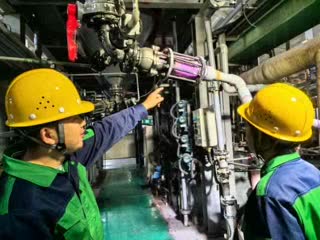
A larger machine model no longer fits the existing runoff plan
A builder introduces a larger CNC model using current machining capacity but requiring a new assembly and test bay.
Handling, cooling, distribution and test records change even though many component machines remain suitable.
JINCHUAN Cable can focus the cable review on the changed build and runoff zones while preserving verified workshop infrastructure.
Machine builders manufacture products that are themselves complex machines
The production path covers component machining, fabrication, painting, subassembly, final assembly, alignment, control integration and runoff testing. Heavy production equipment feeds flexible build bays, while cranes, precision controls and test utilities connect the factory.
For machine tool builders, industrial engineers and factory expansion teams, the useful cable schedule connects those stages with stable area and equipment names. That makes installation scope easier to compare and gives maintenance teams records that reflect how the machine tool factory actually operates.
Interface questions across a machine tool factory
The factory works better when heavy production and flexible build areas share one naming and handover structure.
| Area or signal | Why it matters | What to clarify |
|---|---|---|
| Component machining | Heavy fixed loads | Duty, cooling and workshop zones |
| Fabrication and coating | Handling and process utilities | Cranes, ventilation and routes |
| Assembly bays | Changing machine sizes | Flexible distribution and bay identity |
| Runoff testing | Customer acceptance | Test duty, utilities and records |
Integration gaps that appear during machine runoff
Assembly is treated as open floor space
Distribution and handling needs remain unclear.
Test utilities are added after assembly
The completed machine waits for commissioning.
Product names replace bay names
Factory records become obsolete with each model.
Retained capacity is not verified
The project assumes existing systems can serve larger products.
Integrate fixed workshops with flexible build bays
The planning sequence should separate what remains permanent from what must adapt to each product model.
Verify retained machines
Confirm duty and capacity against the new product.
Define build-bay zones
Use stable areas rather than product-specific temporary names.
Map cranes and utilities
Show handling, cooling and air shared across bays.
Set runoff records
Connect test evidence with final bay and product identity.
Show suppliers the product flow and retained infrastructure
The RFQ should distinguish existing workshops, new build bays and the utilities required for full-machine testing.
- System voltage and frequency
- Load or cable schedule
- Motor ratings and starting method
- Route length and installation method
- Actual wet, dusty, hot, outdoor or mechanical conditions
- Required conductor, insulation, sheath and armor details
- Destination, delivery stages and required records
- New machine size and test duty
- Retained workshop capacity
- Assembly-bay and runoff utilities
For machine tool factory projects, references such as IEC 60502, IEC 60228 and IEC 60332 can help both sides use consistent terminology. They do not replace the approved specification or the buyer's responsibility to confirm the design.
Factories that need integration-focused planning
It is useful for machine builders adding larger products, flexible assembly bays or new runoff-test capability.
- New machine tool factories
- Component-shop expansions
- Large assembly-bay projects
- Runoff test-area additions
A small single-model builder may need fewer flexible zones, but final test utilities and records should still be planned early.
How to evaluate a machine tool factory cable supplier for integration
The cable plan should preserve heavy workshop requirements while keeping assembly and test bays adaptable.
Component machining carries heavy fixed duty
The CNC production machine cable serves machines producing bases, spindles and precision parts for several product models. This is why its value should be judged by production consequence as well as electrical rating.
Show motor duty, cooling, extraction, cranes and stable workshop zones.
Assembly bays must adapt to different machine sizes
The machine assembly line cable connects tools, handling and temporary product-position needs within permanent factory infrastructure. This is why its value should be judged by production consequence as well as electrical rating.
Use build-bay zones and show available distribution capacity.
Runoff testing controls customer acceptance
The runoff test area cable supports complete machine operation, controls, cooling and measurement before shipment. This is why its value should be judged by production consequence as well as electrical rating.
Define bay identity, test duty, utilities and final records.
How JINCHUAN Cable supports machine tool factory projects
For machine tool builders, industrial engineers and factory expansion teams evaluating the machine tool factory cable supplier, JINCHUAN Cable can connect machine tool factory workshops, build bays and runoff tests through one zone and documentation structure.
This helps buyers retain suitable infrastructure while adding the flexible capacity needed for new machine models.
Buyers planning machine tool factory projects can review JINCHUAN Cable products and learn more about the JINCHUAN Cable company. Sharing the project purpose, critical loads, route conditions, quantities, destination and expected records creates a stronger basis for the next discussion.
That information helps JINCHUAN Cable connect cable construction with reliable component production, controlled assembly, accurate alignment and traceable runoff testing, rather than responding with a catalog-only quotation.
FAQ
What should buyers expect from the machine tool factory cable supplier?
Buyers should expect a discussion that connects cable construction with critical loads, route conditions, maintenance needs and future plans for the machine tool factory.
Why is cable planning important for machine tool factory projects?
Cable planning for the machine tool factory supports uptime by keeping shared systems, operating conditions and circuit identity visible before installation.
Is the lowest cable price always the best value?
No. Supplier comparison for machine tool factory projects should include operating fit, route assumptions, records, packing and the risk of changes after approval.
How can buyers make the first inquiry more useful?
Describe what must keep running in the machine tool factory, then provide load, voltage, route, environment, quantity and document information.
Can JINCHUAN Cable review this type of machine tool factory project?
Yes. JINCHUAN Cable can review the machine tool factory cable schedule, loads, routes, site conditions, quantities and expected approval records.
Why do equipment and route names matter?
In machine tool factory projects, they help engineering, receiving, installation and maintenance teams connect every cable with its actual purpose.
Should future expansion be discussed before ordering?
Yes. Known machine tool factory expansion stages can affect route space, distribution capacity, circuit naming and the value of today's records.
Which technical references may be discussed?
Teams working on machine tool factory projects may discuss IEC cable and conductor references, while the approved specification remains the final basis for the order.
What information makes a supplier reply more useful?
For the machine tool factory, provide the load list, voltage, route, installation environment, operating dependencies, quantities, destination and required records.
How does a clear cable plan support the buyer?
It connects the machine tool factory cable decision with uptime, maintenance and growth, giving the buyer a practical basis for comparing suppliers.