
A pet food factory power cable supplier should be evaluated by more than the cable sizes in a quotation. A new extruder can be ready to run while production still falls short because a shared conveyor, cooling pump or dryer fan cannot support the intended output.
The practical answer is to connect each feeder with the production consequence behind it. Main machines, shared utilities and smaller material-handling motors should be reviewed as one process rather than separate items on a load list.
This approach gives purchasing teams a clearer comparison, helps installers group work by production zone and leaves maintenance teams with records they can use during a real interruption.
Why the factory must be reviewed as one connected process
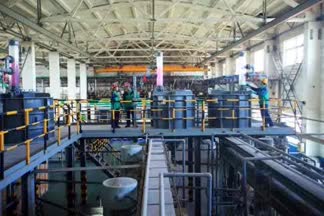
Pet food production may move through intake, grinding, batching, mixing, extrusion, drying, coating, cooling and packing. A stop at one stage can block product before or after it, even when the failed motor is relatively small.
The cable schedule should therefore follow the material path. Equipment, line and zone names used by operators should also appear in labels and final records so electrical information remains connected with production.
Three decisions that define the right pet food factory power cable supplier
Identify critical loads by production consequence
A pet food extruder cable is clearly important, but the extruder also depends on dosing, cooling, conveying and drying. Buyers should classify circuits by what stops when they become unavailable, not only by motor rating.
Separating plant-wide loads, line-specific loads and noncritical services helps the project focus design, documentation and maintenance attention where an interruption would be most expensive.
Separate heat, dust and cleaning conditions by route
Extrusion and drying may create local heat, raw-material handling can be dusty, and cleaning areas may face moisture. One general factory description cannot explain all three environments.
Route-specific information allows suppliers to state their assumptions clearly and prevents buyers from comparing quotations that silently cover different operating conditions.
Make circuit names useful during a shutdown
A feed conveyor cable or dryer fan power cable should be labeled by line, zone and equipment purpose. Generic feeder numbers slow fault isolation when production time is limited.
Consistent naming across the schedule, drum list and installed labels also helps future expansion teams understand which circuits belong to existing equipment.
A simple way to turn production risk into cable requirements
Before comparing suppliers, connect each important production area with its main risk and the information needed for a useful cable review.
| Production area | Main concern | What the buyer should clarify |
|---|---|---|
| Grinding and intake | Dust and repeated motor duty | Route, cleaning practice and mechanical exposure |
| Extrusion | High-value continuous production | Starting method, shared utilities and line dependency |
| Drying | Heat, fans and long operating cycles | Critical loads, route temperature and shutdown access |
| Packing | Frequent format and layout changes | Line identity, spare capacity and expansion plan |
What changes when a second extrusion line is added
A factory may purchase another extruder and dryer to increase dry pet food capacity. The visible equipment is only part of the project because raw-material conveying, cooling, exhaust, coating and packing demand also increase.
A stronger project maps the complete material path and confirms which utilities remain shared with the existing line. JINCHUAN Cable can then review cable groups with the actual production sequence, route conditions and commissioning stages visible.
The result is easier to install and more useful after startup because the factory can see which supporting circuits protect the new line's output.
What buyers should include in the RFQ
A useful RFQ does not need to be a finished electrical design, but it should explain enough about the factory for suppliers to understand the operating requirement.
- System voltage and frequency
- Load or cable schedule
- Motor ratings and starting method
- Route length and installation method
- Indoor, outdoor, wet, dusty or hot route conditions
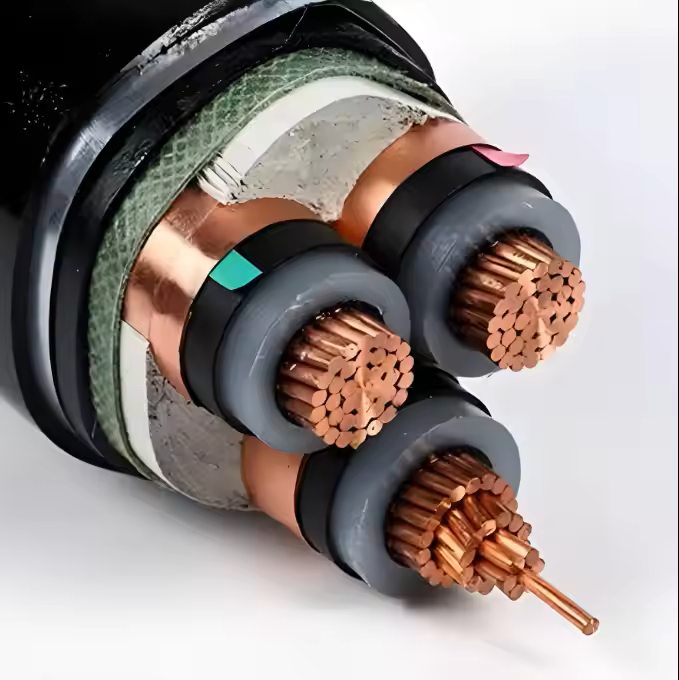
- Required conductor, insulation, sheath and armor details
- Destination, delivery stages and required records
- Extruder and dryer operating sequence
- Shared cooling, air and exhaust systems
- Expected future line or packing expansion
For pet food factory projects, references such as IEC 60502, IEC 60228 and IEC 60332 can help both sides use consistent terminology. They do not replace the approved project specification or the buyer's responsibility to confirm the design.
Common mistakes that increase project risk
Comparing price before confirming scope
Two offers may use different assumptions for armor, sheath, testing, packing or route conditions. Price comparison becomes meaningful only after those differences are visible.
Treating every motor as independent
Production is sequential. A smaller conveyor or fan can stop more output than its rating suggests.
Planning only for today's recipe
Products, coatings and bag formats change. Stable line names and route capacity reduce disruption during later changes.
Leaving documentation until installation is finished
Cable schedules and drum records are more reliable when they develop with the project rather than being reconstructed afterward.
Which pet food factory projects need this level of planning?
This planning level is most useful where production is continuous, shared utilities serve several machines or the factory expects another line or product format.
- New pet food factories
- Extrusion-line expansions
- Plants with shared dryers or conveying systems
- Factories using several equipment suppliers
A small workshop with a short, simple process may not need the same documentation depth. The planning effort should match the production consequence and maintenance difficulty.
How JINCHUAN Cable supports pet food factory projects
For pet food producers, factory engineers and extrusion-line project teams evaluating the pet food factory power cable supplier, JINCHUAN Cable can review cable schedules alongside production zones, motor duty, route conditions and delivery requirements so technical construction remains connected with practical plant outcomes.
For an initial review, buyers can provide the load schedule, critical equipment, route conditions, quantities, destination and required documents. This creates a stronger basis for a relevant quotation without forcing the buyer to solve every technical detail first.
Buyers planning pet food factory projects can review JINCHUAN Cable products and learn more about the JINCHUAN Cable company. A useful first inquiry should explain the project purpose, critical loads, route conditions, quantities, destination and expected records.
That information helps JINCHUAN Cable connect technical construction with stable extrusion, dependable drying, controlled product flow and reliable packing, giving the buyer a stronger basis for supplier comparison and future maintenance.
FAQ
What should buyers expect from the pet food factory power cable supplier?
Buyers should expect a discussion that connects cable construction with critical loads, route conditions, maintenance needs and future plans for the pet food factory.
Why is cable planning important for pet food factory projects?
Cable planning for the pet food factory supports uptime by keeping shared systems, operating conditions and circuit identity visible before installation.
Is the lowest cable price always the best value?
No. Supplier comparison for pet food factory projects should include operating fit, route assumptions, records, packing and the risk of changes after approval.
How can buyers make the first inquiry more useful?
Describe what must keep running in the pet food factory, then provide load, voltage, route, environment, quantity and document information.
Can JINCHUAN Cable review this type of pet food factory project?
Yes. JINCHUAN Cable can review the pet food factory cable schedule, loads, routes, site conditions, quantities and expected approval records.
Why do equipment and route names matter?
In pet food factory projects, they help engineering, receiving, installation and maintenance teams connect every cable with its actual purpose.
Should future expansion be discussed before ordering?
Yes. Known pet food factory expansion stages can affect route space, distribution capacity, circuit naming and the value of today's records.
Which technical references may be discussed?
Teams working on pet food factory projects may discuss IEC cable and conductor references, while the approved specification remains the final basis for the order.
What information makes a supplier reply more useful?
For the pet food factory, provide the load list, voltage, route, installation environment, operating dependencies, quantities, destination and required records.
How does a clear cable plan support the buyer?
It connects the pet food factory cable decision with uptime, maintenance and growth, giving the buyer a practical basis for comparing suppliers.