
A plastic pipe factory power cable supplier should support one synchronized production line from material feed to stacked pipe. The extruder is central, but vacuum, cooling, haul-off and cutting determine dimensions and usable line speed.
The direct answer is to compare the current fragmented schedule with a line-based plan that shows every shared water, heat and drive dependency.
The sections below use a before-and-after view, a line-balance table and a supplier scorecard.
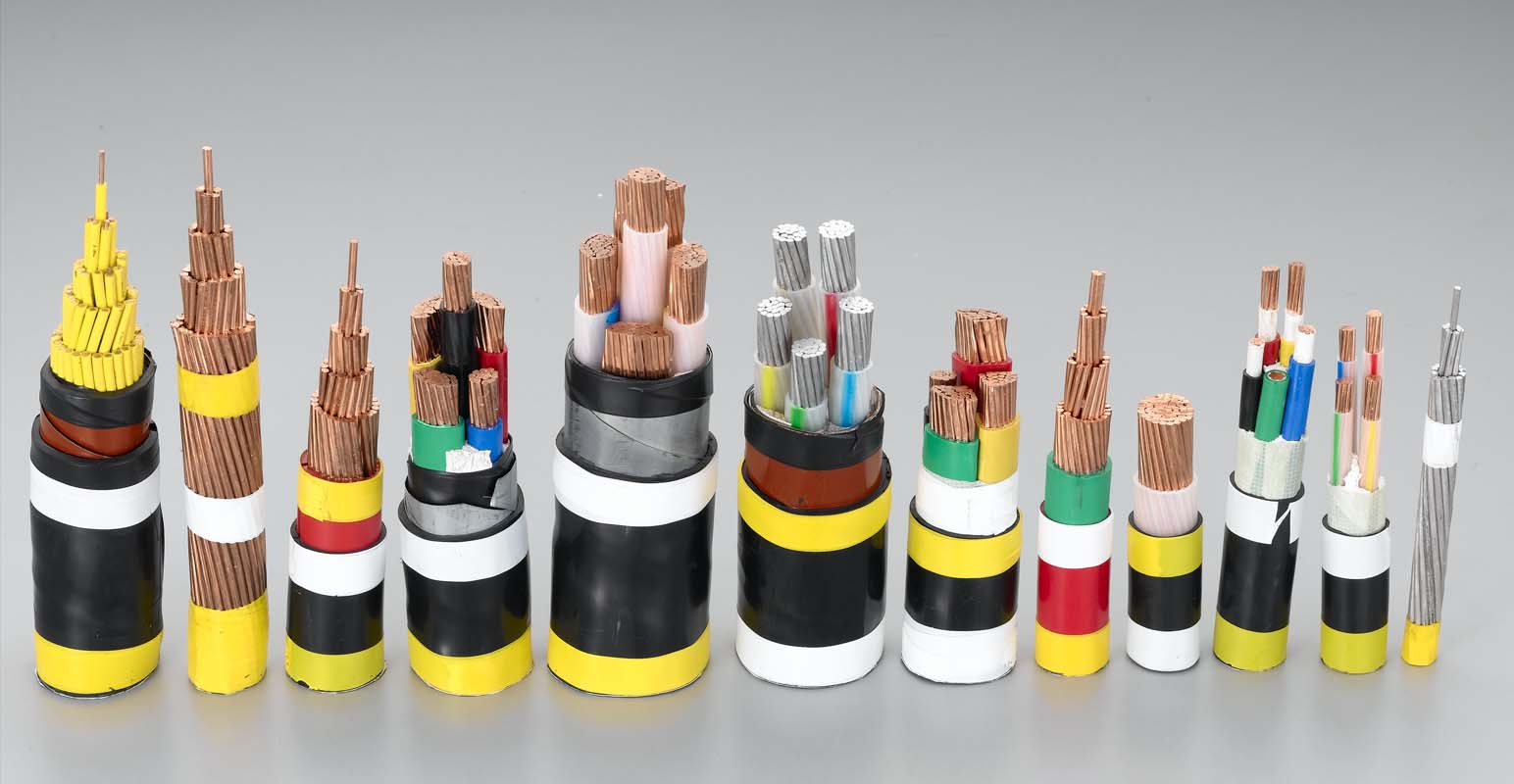
From a machine list to a line-based cable plan
The comparison shows how better structure changes maintenance and expansion decisions.
Before: fragmented equipment records
- Extruder, pumps and haul-off appear in separate supplier schedules.
- Wet and hot route sections are hidden under one indoor description.
- Circuit names follow temporary product sizes.
- Drums are grouped by cable size rather than line zone.
After: one production-line record
- Every cable is connected with the same permanent line identity.
- Heat, water, vacuum and mechanical zones are marked by route section.
- Normal and maximum pipe ranges are stated beside duty assumptions.
- Delivery groups follow material, extrusion, cooling and finishing zones.
The line-based record is easier to compare, install, maintain and extend.
One pipe line should have one visible operating logic
A useful plastic pipe factory power cable supplier begins by mapping material feeding, blending, extrusion, die and head heating, vacuum calibration, cooling, haul-off, cutting, inspection and stacking. The schedule should connect every important cable group with production flow, quality or final release before suppliers are compared.
A pipe extruder power cable supports heaters, drives, feeders and controls whose duty changes with resin and pipe size. The approved production range should be visible beside the circuit.
A vacuum calibration line cable and pipe haul-off machine cable belong to dimension control and synchronized speed. Their pumps, water systems and long routes should not be treated as minor auxiliaries.
A synchronized capacity table for pipe extrusion
Use one target line speed to check every production stage.
| Stage | Control variable | Cable requirement |
|---|---|---|
| Material feed | Blend and feed stability | Motors, controls and room identity |
| Extrusion | Melt output and temperature | Heaters, drive duty and cooling |
| Vacuum calibration | Pipe dimensions | Pumps, water, tank zones and standby |
| Cooling and haul-off | Temperature and synchronized speed | Long routes, drives and wet boundaries |
| Cutting and stacking | Finished length and handling | Saw duty, line identity and future automation |
The lowest stable stage sets the actual output of the line.
Four myths that create extrusion-line gaps
These assumptions make a schedule look simpler than the factory really is.
Misconception: The extruder defines the complete load
What to use instead: Vacuum, water, haul-off and cutting are essential to dimensions and throughput.
Misconception: All water systems are the same
What to use instead: Process cooling, vacuum tanks and utility rooms have different routes and consequences.
Misconception: Pipe size only changes tooling
What to use instead: Diameter changes heaters, cooling length, haul-off duty and handling.
Misconception: A spare circuit guarantees expansion
What to use instead: The spare must be available in the correct line zone with a usable route.
Replacing these myths with actual line data improves quotation accuracy and future value.
Scenario: a larger extruder exposes insufficient cooling length
Situation: A factory upgrades one line for larger pressure pipe.
Finding: The extruder can produce the material, but calibration, cooling and haul-off cannot maintain the target dimensions at the new speed.
Decision: The project maps the complete line and adds water-system, tank, drive and route changes before ordering cables.
Expected result: The upgrade is evaluated by compliant pipe output instead of extruder kilograms per hour.
Supplier scorecard for a plastic pipe line
Score evidence that shows the proposal understands synchronized production.
| Criterion | Question | Evidence to request |
|---|---|---|
| Line completeness | Are feed, extrusion, vacuum, cooling and finishing connected? | One dependency map |
| Route accuracy | Are hot, wet and moving sections distinct? | Marked route statement |
| Product range | Are normal and maximum pipe sizes stated? | Duty and size envelope |
| Handover value | Can records support another line or size? | Labels, drum plan and revisions |
The best value is the offer that makes line assumptions and exclusions easiest to verify.
A five-stage route to a stable pipe-line expansion
The sequence prevents late cooling and route changes.
Stage 1: Define product range
Record resin, diameter, wall and target line speed.
Stage 2: Balance every process stage
Check extrusion, calibration, cooling, haul-off and cutting.
Stage 3: Map water and heat
Identify pumps, tanks, heaters and route transitions.
Stage 4: Release zone-based delivery
Match drum groups with installation and commissioning stages.
Stage 5: Verify future capacity
Confirm physical route and distribution space for the next line.
A staged review keeps compliant pipe output at the center of the investment.
RFQ details for a stable plastic pipe line
The supplier needs product range, line speed and water-system information to understand the operating task.
- System voltage and frequency
- Load or cable schedule
- Motor ratings and starting method
- Route length and installation method
- Actual wet, dusty, hot, outdoor or mechanical conditions
- Required conductor, insulation, sheath and armor details
- Destination, delivery stages and required records
- pipe material, diameter and wall range
- extruder heaters and drive duty
- vacuum, cooling and water arrangement
- haul-off, cutting and stacking equipment
- line length, wet zones and expansion plan
For plastic pipe factory projects, references such as IEC 60502, IEC 60228 and IEC 60332 can help both sides use consistent terminology. They do not replace the approved specification or the buyer's responsibility to confirm the design.
How JINCHUAN Cable supports plastic pipe factory decisions
For plastic pipe manufacturers, extrusion engineers and factory planners evaluating the plastic pipe factory power cable supplier, JINCHUAN Cable can review extrusion, water-system and long-line cable groups against the size range and route conditions provided by the buyer.
The proposal can clarify construction, labels, delivery and records while final process settings and protective design remain under qualified control.
Buyers can review JINCHUAN Cable products and learn more about the JINCHUAN Cable company. Share the project purpose, critical loads, route conditions, quantities, destination and expected records to create a stronger basis for technical and commercial comparison.
Send the synchronized line sheet and route plan to obtain a quotation tied to compliant pipe output and future line growth.
FAQ
What should buyers expect from a plastic pipe factory power cable supplier?
Buyers should expect the proposal to connect cable construction with thermal load, water systems, long synchronized lines, product-size changes and balanced downstream capacity, not merely repeat conductor sizes from a schedule.
Which part of the plastic pipe factory should be mapped first?
Start with material feeding, blending, extrusion, die and head heating, vacuum calibration, cooling, haul-off, cutting, inspection and stacking. This shows which supporting loads can interrupt more than one production stage.
How should quotations for the plastic pipe factory be compared?
Compare the stated route assumptions, operating duty, included records, delivery grouping and exclusions beside price. That exposes scope differences before approval.
Which route conditions matter in a plastic pipe factory?
The inquiry should distinguish material rooms, hot extruders, wet calibration tanks, long cooling lines, moving haul-off equipment, saws and outdoor storage. Broad labels such as indoor or industrial are rarely precise enough for a useful review.
What hidden risk deserves attention in this project?
A common hidden risk is selecting the extruder feeder without mapping cooling, vacuum and haul-off systems that control pipe dimensions and line speed. Its production consequence may be greater than the connected load suggests.
Should future changes be discussed before ordering?
Yes. larger pipe diameters, additional extrusion lines, more cooling length and automated stacking can affect route capacity, circuit names, distribution space and the value of today's approval records.
Which records help after installation?
Useful records include line and zone identities, heater and water dependencies, route lengths, approved size ranges and expansion revisions. They help receiving, installation and maintenance teams connect each cable with its purpose.
Which technical references may support the discussion?
IEC 60502, IEC 60228 and IEC 60332 may provide common terminology, while the approved project specification remains the final design basis.
What should be sent with the first RFQ?
Send the cable or load schedule plus project details such as pipe material, diameter and wall range, extruder heaters and drive duty, vacuum, cooling and water arrangement, haul-off, cutting and stacking equipment, line length, wet zones and expansion plan. Clear inputs allow suppliers to identify assumptions instead of guessing.
How can JINCHUAN Cable support the plastic pipe factory?
JINCHUAN Cable can review the schedule, routes, operating conditions, quantities and required records against the result the buyer needs to protect: stable melting, accurate calibration, controlled cooling, synchronized haul-off and consistent cutting.