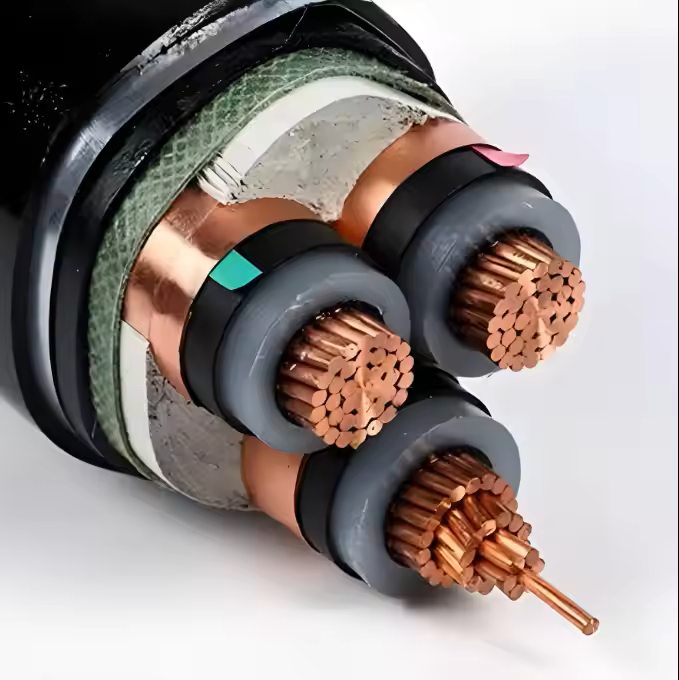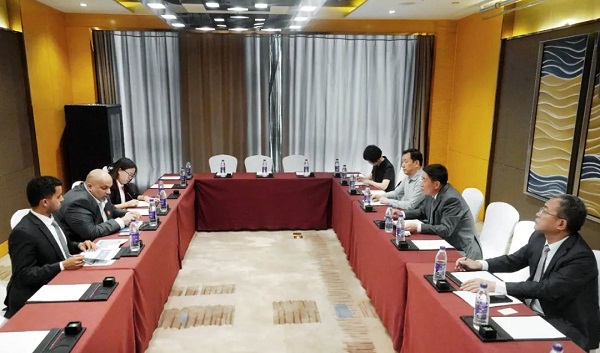

Shipyard cable purchasing can cover fabrication workshops, cranes, shore power routes, welding areas, pumps, lighting and utility buildings. A shipyard power cable supplier should understand both equipment duty and harsh site handling.
Outdoor storage, heavy movement, moisture and long routes can make a shipyard cable order more demanding than a normal building feeder. JINCHUAN Cable can review the inquiry better when buyers explain the route and equipment clearly.
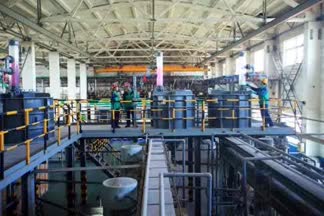
Quick answer for shipyard power cable supplier
Shipyard power cable is used for workshops, cranes, shore power routes, welding areas, pumps, lighting and utility buildings. Buyers should confirm voltage, equipment load, outdoor exposure, movement, route length, cable marks, packing and documents.
Shipyard buyers search by equipment and yard route
The searcher may be a shipyard procurement team, electrical contractor, maintenance engineer, EPC buyer or importer. They need cable quotations that reflect yard use, not only a catalog name.
A workshop feeder, crane route and shore power route can have different handling and marking needs. Naming the equipment helps suppliers quote on the same basis.
Common project situations
| Situation | What buyers should clarify | Why it matters |
| Workshop feeder | Load and panel marks | Supports production areas |
| Crane route | Movement and duty notes | Supports lifting operations |
| Shore power | Outdoor route and documents | Supports dockside service |
| Welding area | Mechanical handling notes | Improves route fit |
Yard exposure should be part of the inquiry
Shipyard routes may involve moisture, sunlight, outdoor storage, mechanical handling or moving equipment. Buyers should describe these conditions before comparing offers.
JINCHUAN Cable can prepare a clearer quotation when buyers share connected equipment, route length, installation method, exposure, quantity, packing and document needs.
Supplier comparison points
| Point | How to compare offers |
| Equipment | Workshop, crane, shore power or welding |
| Exposure | Outdoor, moisture, movement or normal route |
| Installation | Tray, conduit, drum, panel or equipment area |
| Marks | Match yard area and equipment |
| Packing | Protect during transport and storage |
Documents and standards to discuss
For international cable projects, buyers may discuss IEC 60502, IEC 60228, IEC 60332 with engineering or approval teams. These references help both sides use consistent technical language, while the project specification remains the final guide.
A useful supplier reply should state the cable construction, assumptions, document scope, packing method and any information still needed. This makes the offer easier for engineering, purchasing and site teams to compare.
Questions to settle before price comparison
Before comparing suppliers, buyers should confirm the route, voltage, conductor, installation method, exposure, packing and document expectations. A quotation based on incomplete information may look attractive but still create rework after approval.
For export orders, these details become even more important because corrections after shipment are slow and expensive. Drum marks, packing lists and routine records should be discussed before production and delivery planning.
How a buyer can prepare a clearer first message
A stronger first message to a shipyard power cable supplier does not need to be long. It should name the project type, the equipment or route, the voltage, the expected cable size, the installation method and the review documents needed by the owner or contractor.
If the buyer already has drawings, a cable schedule or route photos, those files can reduce guessing. If the buyer does not have them yet, a short note about load, environment and destination is still better than asking only for a unit price.
For JINCHUAN Cable, this level of detail helps separate a standard product inquiry from a project order that needs route review, packing planning and document preparation. It also helps the buyer compare JINCHUAN Cable with other suppliers on the same technical basis.
Cost factors that buyers should not overlook
Cable cost is shaped by more than conductor size. Voltage grade, armor, sheath, screen, fire behavior, test records, drum length, export packing, delivery destination and inspection requirements can all change the final offer.
A buyer who compares only the first price may miss these differences. A higher-looking offer may include stronger packing or clearer documents, while a lower-looking offer may leave important items outside the scope.
When discussing cost with a shipyard power cable supplier, buyers should ask what is included in the quotation and which details still depend on final confirmation. That keeps the conversation practical and prevents surprises after approval.
How different buyer teams read the same offer
Engineering teams usually look first at voltage, construction, route condition and applicable standard. Purchasing teams compare price, lead time, payment terms and what is included. Site teams care about drum marks, pulling sequence, packing strength and whether the cable can be identified quickly when it arrives.
A good shipyard power cable supplier offer should make these parts easy to check without forcing each team to guess. When JINCHUAN Cable receives clear route and document requirements, the reply can connect technical details with the buying process more directly.
Mistakes that create avoidable rework
- Asking for shipyard cable without equipment duty
- Forgetting outdoor storage or handling notes
- Mixing crane and workshop routes
- Leaving shore power route unclear
- Comparing suppliers without packing details
What to keep in the project file
After the supplier is selected, the buyer should keep a simple project file that links the quotation, cable schedule, packing list, test reports and receiving records. This is useful when the cable is installed, inspected or reordered later.
The file does not have to be complicated. It should show the cable type, voltage, conductor size, length, drum number, route or equipment name, and the documents received from the supplier. For overseas buyers, this also helps customs, warehouse and site teams speak from the same record.
When JINCHUAN Cable receives this information early, the quotation and later shipment records can be aligned more closely with the buyer's project file. That makes the shipyard power cable supplier discussion more useful for real procurement work.
It also gives the buyer a clean reference when another department asks why a certain construction, packing method or document package was selected.
For repeat orders, the same record helps the buyer avoid changing cable wording unintentionally.
How JINCHUAN Cable can support the inquiry
JINCHUAN Cable can review project cable requirements when buyers provide practical route details, technical boundaries, quantity, packing needs and documents. Clear information helps the quotation answer the real project instead of only repeating a cable name.
Buyers can review JINCHUAN Cable products and the JINCHUAN Cable company profile before sending detailed requirements.
Information to send for quotation
For shipyard power cable sourcing, send JINCHUAN Cable the equipment name, voltage, load, route length, exposure notes, movement needs, packing and documents.
FAQ
What does a shipyard power cable supplier need?
A supplier needs equipment name, voltage, load, route length, exposure notes, movement needs, packing and documents.
Where is shipyard power cable used?
It is used for workshops, cranes, shore power routes, welding areas, pumps, lighting and utility buildings.
Why does outdoor exposure matter?
Outdoor exposure can affect sheath discussion, packing and maintenance planning.
Can JINCHUAN Cable quote shipyard power cable?
JINCHUAN Cable can review shipyard cable inquiries when route and equipment details are provided.
Should crane routes be separated?
Yes. Crane routes may involve movement or duty details that differ from fixed workshop feeders.
What documents are useful?
Datasheets, routine test reports, packing lists and cable marks are useful.
How should suppliers be compared?
Compare construction, route assumptions, packing, documents and delivery scope.
What is a common mistake?
A common mistake is using one broad shipyard cable line for several different equipment routes.
Are cable marks important?
Yes. Marks help yard teams identify cable by area and equipment.
When should buyers request quotation?
Ask when equipment, route, exposure notes and quantity are ready.