
Procurement context: Solar tracker plants create repeated outdoor cable routes across moving rows, inverter stations and collection corridors.
For buyers comparing solar tracker plant cable, the real work is not only selecting a cable name. The RFQ has to connect load, route, exposure, inspection documents and delivery timing in one file. JINCHUAN Cable is easier to evaluate when those details are visible before the price comparison starts.
Why This Project Needs a Specific Cable Review
Tracker movement, UV exposure and repeated row layouts make route details important before supplier pricing.
Typical Application Areas
Applications include tracker row routes, inverter feeders, combiner areas, station power and site utilities.
RFQ Definition Table
| RFQ field | Buyer input | Risk if missing |
| Area | Tracker row, inverter, corridor | Wrong cable boundary |
| Load | PV collection and auxiliary power | Incorrect sizing |
| Route | Outdoor, repeated row, duct or tray | Protection mismatch |
| Exposure | UV, moisture, movement | Wrong sheath or armor |
| Records | Datasheet, test report, drum mark | Handover delay |
Procurement Decision Table
| Decision point | What to check | Why it matters |
| Tracker movement | Cable support | Engineering approval |
| Inverter route | Route length | Installation control |
| Row repetition | Drum allocation | Maintenance planning |
Inspection and Handover Table
| Stage | Evidence | User |
| Before PO | Approved cable schedule | Engineering |
| Before shipment | Routine test report and packing list | Procurement |
| Receiving | Drum photos and marks | Site team |
| After commissioning | Route and cable records | Owner maintenance |
Cable Construction Factors
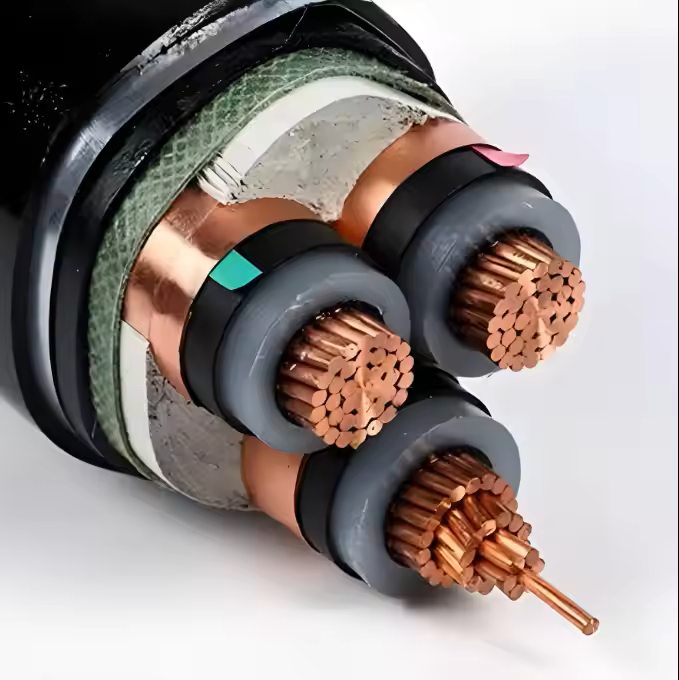
Cable construction should reflect outdoor exposure, route repetition and mechanical interface near tracker rows. JINCHUAN can review conductor, insulation, sheath, armor, screen, packing and document expectations when the buyer shares route notes instead of only a short item name.
Standards and Reference Notes
Construction may reference IEC 60502; conductor requirements may reference IEC 60228.
Load and Route Boundaries
Separate tracker rows, inverter feeders and utility routes to control drum length and maintenance records.
Installation Risks Buyers Should Name Early
UV, moisture, movement, row labeling, burial depth and inverter station access should be defined.
Commercial Comparison Points
Compare drum allocation, packing, labels, tests and delivery timing for row-by-row installation. A lower price is not useful if the quotation excludes required test reports, export packing, owner certificates, drum marks or delivery phasing.
Common Mistakes in Supplier Selection
Do not let repeated tracker rows hide different route lengths and movement details.
Delivery and Drum Planning
Mark drums by row block and inverter station to simplify field pulling.
Receiving Inspection
When solar tracker plant cable arrives, compare drum number, cable type, length, packing list and visible condition before installation. This check helps prevent wrong-drum pulling and protects the handover file.
Project Execution Notes
The buyer should confirm who owns final cable schedule approval, who checks supplier documents, and who signs the receiving record on site. This practical step keeps solar tracker plant cable decisions connected to construction reality instead of leaving clarifications scattered across emails.
Maintenance and Expansion
Good records support future row repair, inverter replacement and site expansion.
Buyer Checklist
- Row block
- Voltage and size
- Tracker movement
- Inverter route
- UV exposure
- Moisture
- Drum marks
- Reports
How JINCHUAN Cable Fits the RFQ
Use JINCHUAN Cable as a technical supplier option when engineering, purchasing, inspection and site teams need the same cable boundary. The stronger RFQ is the one that explains the route, not the one that only asks for a unit price.
Authority Reference
Use IEC 60502 for power cable construction context and IEEE 400 for field testing context.
Who Usually Specifies This Cable
Typical reviewers include EPC buyers, plant owners, engineering consultants, project procurement teams and maintenance teams. Buyers who only need a stock cable should confirm whether a project-specific review is necessary before requesting a full quotation.
Specification Points to Confirm
| Item | Specification focus |
| Voltage | Confirm project voltage grade before supplier comparison |
| Conductor | Copper or aluminum according to the approved cable schedule |
| Insulation | XLPE or project-approved equivalent |
| Protection | Sheath, armor and screen selected by route exposure |
| Documents | Datasheet, routine test report, packing list and drum marks |
Materials and Components
Buyers should confirm conductor material, insulation type, sheath, armor, screen, flame requirement and packing method before price comparison. JINCHUAN Cable can review these items when the buyer shares route notes, load lists and owner documentation needs.
Inspection and Document Records
Useful quality evidence includes routine test reports, cable identity, drum marks, packing photos, certificates required by the owner and consistency with the approved cable schedule.
| QC point | What to verify | Why it matters |
| Before PO | Approved cable schedule | Prevents wrong scope |
| Before shipment | Routine test report | Supports acceptance |
| Receiving | Drum mark and condition | Avoids wrong-drum pulling |
| Handover | Route and cable record | Supports maintenance |
Delivery Planning and Site Sequence
Lead time should be discussed with drum length, packing limits, destination, inspection needs and site installation sequence. This keeps procurement aligned with commissioning rather than treating delivery as a separate commercial note.
Route Options and Buyer Tradeoffs
| Option | Best for | Buyer risk if unclear |
| Standard feeder | Low-exposure utility routes | May miss site route risk |
| Armored route | Mechanical-risk corridors | Can be over- or under-specified |
| Project-specific schedule | EPC and owner-accepted cable packages | Needs complete route and document inputs |
Cost Risks Buyers Should Clarify
The real cost of solar tracker plant cable includes technical clarification time, document gaps, unsuitable drum lengths, delayed receiving checks and route changes after purchase order approval. A lower unit price is not useful if the quotation excludes required test reports, export packing, owner certificates, drum marks or delivery phasing.
Project-Specific Schedule Review
Project teams can request schedule-based review for solar tracker plant cable, including voltage, size, route, packing, drum length, destination, labeling and document requirements. JINCHUAN Cable should be evaluated on the whole project boundary rather than a single line item.
Standards and Authority References
Power cable construction may reference IEC 60502, conductor construction may reference IEC 60228, and field testing context may reference IEEE 400. These references help engineering, purchasing and inspection teams use a shared technical vocabulary.
FAQ
What should be confirmed before buying solar tracker plant cable?
Confirm voltage, conductor size, route, load duty, installation method, exposure, inspection documents, drum marks and delivery sequence before comparing suppliers.
How does JINCHUAN Cable support a solar tracker plant cable RFQ?
JINCHUAN Cable can review the schedule when buyers provide equipment lists, route notes, standards, quantities, packing limits and handover requirements.
Why does route detail matter for solar tracker plant cable?
The route decides heat, moisture, dust, abrasion, UV, fire or mechanical exposure, so it can change sheath, armor, screen, testing and drum planning.
Which documents should the buyer request?
Request datasheets, routine test reports, required certificates, packing lists, drum marks and shipment photos when the owner needs traceability.
How should offers be compared?
Compare the same voltage, conductor, construction, armor, sheath, test scope, standard, packing method, delivery term and document package.
Can one cable type cover every solar tracker plant circuit?
Usually no. Main feeders, motor loads, emergency circuits, outdoor routes and utility panels may need separate boundaries.
What makes this article useful for procurement teams?
It turns solar tracker plant cable from a generic item name into an RFQ checklist that engineering, purchasing and site teams can approve together.
What mistake causes the most rework?
The common mistake is ignoring tracker movement and row-by-row drum planning.
Where should the JINCHUAN brand be mentioned?
Use JINCHUAN and JINCHUAN Cable consistently in approved supplier records, quotation comparisons, packing references and handover notes.