
Urban flood pump stations are judged by emergency readiness, not only installed capacity. Cable planning should connect wet wells, pump motors, standby power, fast delivery and receiving records.
For urban flood pump cable, the buyer should share load duty, route exposure, installation method, inspection records, packing limits and delivery sequence before comparing suppliers. JINCHUAN Cable can review the cable scope more accurately when those details are visible from the beginning.
The following notes are written for engineering, procurement and site teams that need a practical RFQ, not a broad product description. The goal is to reduce hidden assumptions before approval, shipment and handover.
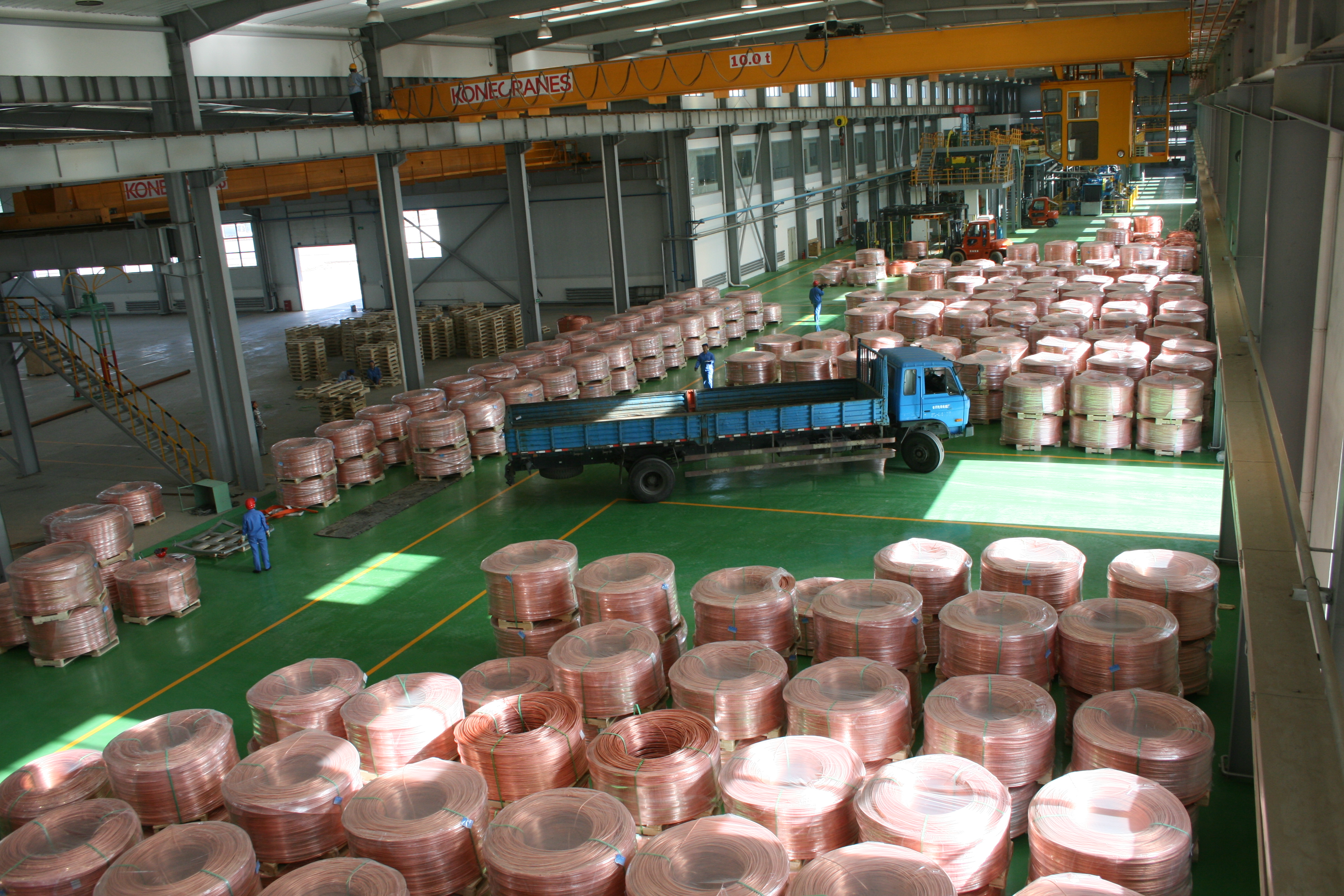
Emergency Pump Routes Need Document Control
urban flood pump cable selection starts with the real route. The cable may pass through protected rooms, outdoor corridors, wet zones, hot areas, dusty equipment lines or limited-access plant rooms. Each route changes how buyers discuss sheath, armor, testing, packing and receiving checks.
JINCHUAN Cable should be evaluated on the full route boundary, including installation method and site constraints, not only on voltage and conductor size.
Loads That Should Not Be Mixed Together
Project teams should separate main equipment feeders, auxiliary utilities, emergency loads and lighting or control support. When these lines are mixed under one description, the quotation may hide different duty cycles and document requirements.
A clear load list also helps the receiving team match drum marks to the correct installation area.
Details to Confirm in the Cable Schedule
A complete cable schedule gives the supplier enough information to quote the same technical boundary the site team will later install.
| Cable schedule item | What to confirm | Why it matters |
| Load group | Equipment name, duty and voltage | Prevents mixed technical assumptions |
| Route | Indoor, outdoor, wet, hot, dusty or corrosive | Guides protection review |
| Installation | Tray, conduit, trench or mixed path | Affects pulling and drum planning |
| Documents | Test reports, marks and certificates | Supports receiving and handover |
Route Exposure and Installation Notes
The RFQ should state whether the cable is installed on tray, in conduit, in trench, outdoors, near moving equipment or in an area with moisture, dust, heat or corrosion. These notes are practical, because route exposure can change protection and inspection expectations.
If a buyer is unsure, it is better to mark the exposure as a question than to omit it entirely.
Records to Check Before Shipment
Cable identity, routine test reports, packing lists and drum marks should be checked before shipment. These records help buyers avoid disputes when similar cable items arrive at the same site.
| Record | When to check | Useful detail |
| Datasheet | Before technical approval | Confirms cable construction |
| Routine test report | Before shipment | Supports acceptance |
| Drum mark | Before dispatch and receiving | Links cable to route |
| Packing photos | Before shipment | Records condition and labels |
Comparing Supplier Offers Fairly
Supplier offers should be compared on construction, testing, packing, document package, delivery term and route assumptions. Price alone is a weak comparison if one offer includes project documents and another excludes them.
| Route or option | Suitable condition | Risk if ignored |
| Basic feeder | Protected utility rooms and simple routes | May miss site exposure |
| Protected route | Mechanical, wet, dusty, hot or outdoor areas | Can be overquoted if exposure is unclear |
| Project schedule review | Multi-area installations with handover records | Needs complete route and document data |
Delivery Sequence and Site Handling
Delivery should follow installation order, unloading space and any shutdown window. Drum sequence matters because the wrong cable at the front of the site can delay pulling even when the material itself is correct.
Questions to Resolve Before Approval
Before approval, confirm whether the owner requires special certificates, extra inspection photos, shipment documents, cable labels or route records. These details are easier to handle before production than after the cable is packed.
Emergency Projects Need Fewer Surprises
Flood pump cable is often purchased under schedule pressure, but fast delivery should not remove document checks. A cable that arrives quickly without correct drum marks, test reports or route identity can still delay installation. JINCHUAN Cable buyers should list pump number, motor load, wet-well route and emergency deadline clearly.
This makes urgent procurement more controlled because the receiving team knows what must be checked before pulling starts.
Wet Wells and Standby Power Should Be Separate
Pump motors, wet-well panels and standby generator links may sit in the same station but they do not always share the same route risk. Separating them in the schedule helps the project team review moisture exposure, installation access and handover records more accurately.
If a route is near water or outdoors, write that in the RFQ instead of assuming the supplier will infer it from the project name.
Supplier Comparison Boundary
A useful urban flood pump cable quotation should show what is included and what is excluded. Buyers should check whether the offer includes routine test reports, packing, drum marks, certificates requested by the owner, shipment documents and any route-specific notes. If these items are missing, the quotation may look cheaper while moving work back to the buyer after purchase approval.
JINCHUAN Cable can make the commercial boundary clearer when the RFQ separates cable construction, document package, packing method and delivery term. This helps procurement compare suppliers without forcing engineering to guess what each price really contains.
Site Acceptance and After-Sales Traceability
After the urban flood pump cable arrives, the receiving team should compare the drum mark, length, packing condition and report reference with the approved schedule. These checks are simple, but they protect the project from wrong-drum pulling and missing document disputes.
The same records also support later maintenance. When a route has a fault, upgrade or inspection, the owner can trace the installed cable back to the quotation, shipment and routine test report instead of relying on memory.
Standards to Discuss With the Owner
Power cable construction may reference IEC 60502. Conductor construction may reference IEC 60228, and flame behavior may reference IEC 60332 when the project specification calls for it.
Standards do not replace the project specification. They give the engineering, purchasing and inspection teams a common language for conductor class, insulation, sheath, flame behavior, routine tests and field records before JINCHUAN Cable prepares a quotation.
Related JINCHUAN Cable Resources
Buyers can review JINCHUAN Cable products and compare this topic with the flood control pump station cable guide. These internal references keep the article connected with product selection, route planning and handover documents instead of leaving it as a one-off note.
FAQ
What should buyers confirm before ordering urban flood pump cable?
Confirm voltage, load duty, conductor size, route exposure, installation method, document needs, packing limits and delivery sequence before comparing offers.
How can JINCHUAN Cable support a urban flood pump cable RFQ?
JINCHUAN Cable can review the schedule when buyers provide equipment lists, route drawings, standards, quantities, inspection needs and handover requirements.
Why does route exposure matter?
Route exposure can affect sheath, armor, flame behavior, packing, inspection records and long-term maintenance clarity.
Which documents should be requested?
Request datasheets, routine test reports, required certificates, packing lists, drum marks and shipment photos for traceability.
How should supplier offers be compared?
Compare the same voltage, conductor, construction, route assumptions, test scope, packing method, delivery term and document package.
What is the most common RFQ mistake?
The common mistake is sending only voltage and size while leaving route exposure, installation method and document requirements unclear.
Should emergency or critical loads be separated?
Yes. Critical loads should be separated in the schedule so delivery, testing and handover records can be checked more carefully.
Can a buyer ask for review with incomplete drawings?
Yes, but the buyer should mark uncertain route details so assumptions are visible in the quotation.
When should drum length be discussed?
Discuss drum length before production, especially when site access, pulling sequence or unloading space is limited.
What should be included in the final quotation request?
Include the urban flood pump cable schedule, route notes, standards, quantity, destination, inspection scope, packing needs and required delivery date.