
A water pump factory power cable supplier should plan backward from the approved hydraulic performance test. Machined housings and assembled pumps remain work in process until pressure, leak, flow, head or other specified checks release them.
The route crosses dry machine shops, winding rooms, assembly cells and wet test bays. Stable bench and cell identities make cable records useful as pump models and motor ratings change.
This guide begins with the test gate and a bench-capacity scenario, then compares plant types, buyer fit, process flow, specifications, route materials, quality evidence, capacity, cost and OEM control.
Scenario first: faster assembly fills performance test stands
Situation: A pump maker automates final assembly for a popular centrifugal range.
Finding: Complete units arrive faster, but test recipes, water stabilization and rework handling remain at the prior rhythm.
Decision: The buyer balances released pumps and includes affected test, utility, drying and cable groups.
Expected result: The expansion increases approved packed units instead of untested inventory.
Compare three water pump plant configurations
This comparison does not select a cable by industry label. It shows how three water pump factory project configurations change the evidence a supplier must review.
| Project configuration | Defining features | Main advantage | Best fit | Relative cost level |
|---|---|---|---|---|
| Assembly and test plant | Purchased components, assembly and final tests | Lower process complexity | Focused regional ranges | Medium-high |
| Integrated pump factory | Machining, motor, assembly, coating and tests | Greater production control | Stable industrial programs | High |
| Flexible multi-model plant | Automated cells and several performance stands | Broad pump range | Large varied portfolios | Very high |
The configuration changes motor, wet-test and handling scope; final cable choices follow approved equipment and route data.
Which water pump projects need a test-led cable map?
A useful water pump factory power cable supplier starts with a defined buyer, production outcome and project boundary. The following distinctions prevent a general factory inquiry from becoming an unqualified product request.
Good fit: integrated pump machining, motor and final-test plants
The method connects cable groups with accurate machined parts, consistent motor or component supply, controlled assembly, reliable coating, hydraulic performance testing and packed-pump release instead of treating the factory as a single undifferentiated load.
Good fit: new lines and brownfield expansion
A shared production map helps engineering, purchasing and maintenance compare routes, duty, delivery and records before equipment positions are frozen.
Clear exclusion
The cable supplier should not define pump performance limits, motor design, test acceptance, paint-area classification or protection settings without approved inputs.
The water pump factory power cable supplier review is most reliable when approved process, electrical, route and quality inputs have named owners.
Before and after: count tested pumps, not assembled units
Changing from a machine list to a complete-product view changes which cable groups receive priority.
Before: disconnected equipment assumptions
- Components and machining is listed without showing material, dimensions, model and process route.
- Motor and subassembly is listed without showing winding, rotor, seals, bearings and fixtures.
- Final assembly and coating is listed without showing model cycle, torque, paint and cure.
- Pressure and performance test is listed without showing approved test plan and water systems.
After: one traceable tested packed water pumps flow
- Components and machining is released with assembly-ready parts.
- Motor and subassembly is released with verified subassemblies.
- Final assembly and coating is released with complete pump units.
- Pressure and performance test is released with released pump evidence.
The tested-pump measure directs infrastructure toward customer-ready output instead of isolated station speed.
Specification table for pump machining, assembly and test cable
Use this specification table to compare each water pump factory power cable supplier on the same approved project basis. Values are inputs to confirm, not assumptions for the supplier to invent.
| Specification item | Project input | Evidence to retain |
|---|---|---|
| Electrical system | Buyer-approved voltage, frequency, load profile, motor duty and starting method | Approved single-line diagram and load schedule |
| Conductor and size | Buyer-defined material, cross-section and circuit duty | Cable schedule and engineering approval |
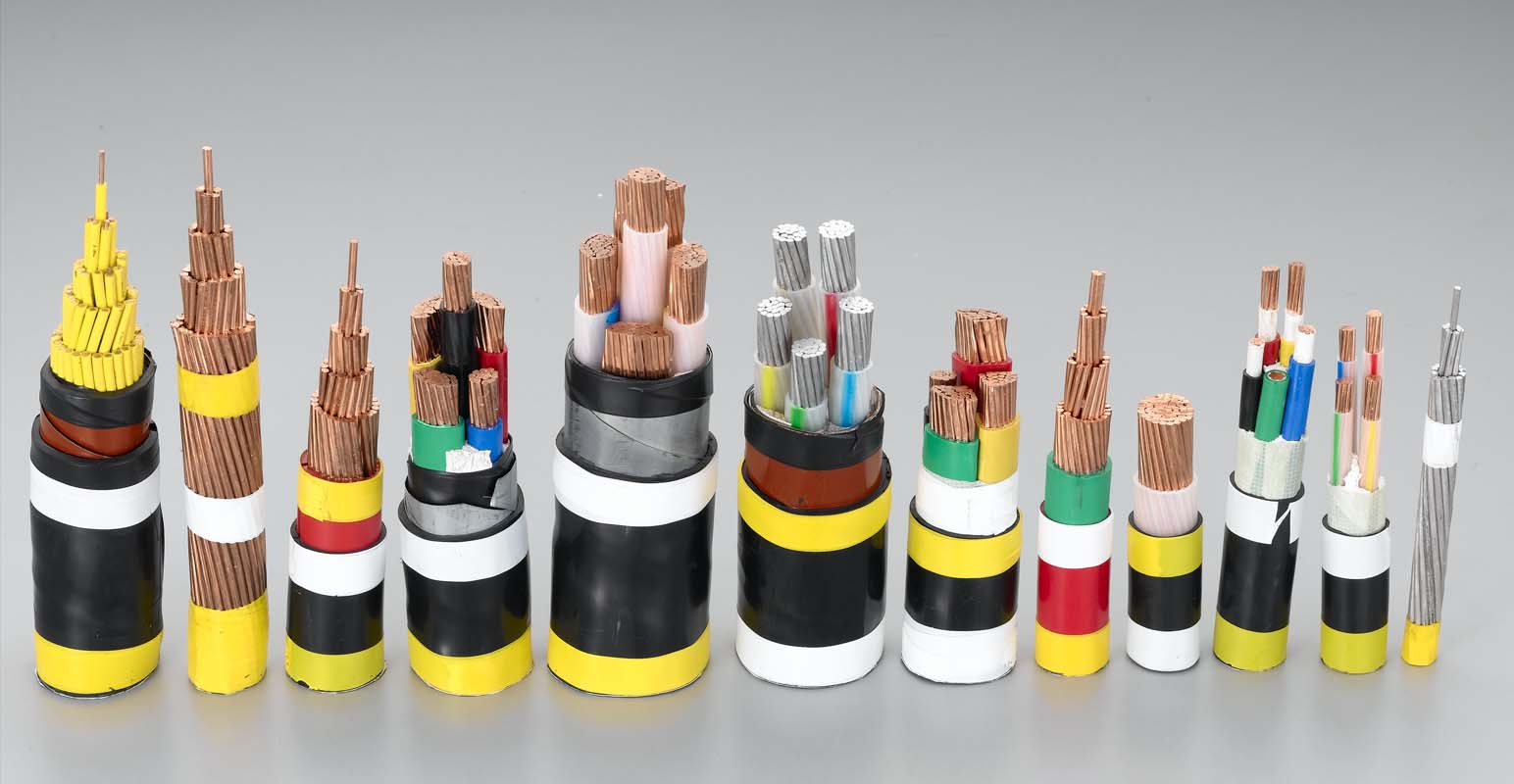
| Insulation and sheath | Construction matched to verified component stores, machine shops, winding rooms, assembly cells, qualified paint areas, wet test bays and warehouses | Route map and environmental boundary |
| Mechanical protection | Protection based on machining cells, cranes, winding equipment, wet test bays, paint areas and maintenance access | Installation method and risk review |
| Fire performance | Project-required performance and test reference | Approved specification and test documents |
| Identification | Permanent machine, winding line, cell, booth, stand, bench and destination marks linked with the cable register and drum list | Drum list, cable register and final revision |
A compliant schedule makes technical and commercial differences visible before the water pump factory cable order is released.
Route red flags across machine shops and wet test bays
Each warning sign shows where the water pump factory power cable supplier may be based on a route description that is too broad.
Red flag: One construction is applied across the whole plant
Why it matters: The route moves through component stores, machine shops, winding rooms, assembly cells, qualified paint areas, wet test bays and warehouses, which do not create the same exposure or maintenance need Better requirement: Separate the schedule by verified route boundary
Red flag: The entire factory is described as wet
Why it matters: Wet test bays, dry machining, winding and packing have different route conditions Better requirement: Separate actual test-bay boundaries
Red flag: Mechanical protection is inferred from a factory label
Why it matters: Protection based on machining cells, cranes, winding equipment, wet test bays, paint areas and maintenance access Better requirement: Use the approved installation drawing and local risk review
Red flag: Temporary product codes become cable names
Why it matters: Customer programs and product formats change faster than permanent equipment Better requirement: Use stable machine, winding line, cell, booth, stand, bench and destination identities
A route-specific review prevents over-specification in ordinary areas and missing protection where the water pump factory has genuine exposure.
QC scorecard for cable evidence and pump-factory handover
Use this scorecard to test the quality evidence behind a water pump factory power cable supplier. Certification names alone do not replace project-specific inspection and traceability.
| Criterion | Question | Evidence to request |
|---|---|---|
| Input control | Are approved construction, route, quantity and identification inputs recorded? | Reviewed cable schedule and clarification log |
| Manufacturing traceability | Can conductor, insulation, sheath and marking checks be connected with the order? | Inspection plan and batch record |
| Final verification | Are agreed electrical, dimensional and visual checks linked with delivered drums? | Test report and final drum list |
| Handover quality | Can receiving and maintenance teams assign each cable to the correct water pump factory destination? | Packing list, permanent marks and revision-controlled register |
Quality evidence should state what was inspected and tested, using records that the buyer can verify after delivery.
Where should water pump capacity be added?
Which branch protects accepted tested packed water pumps while meeting the required delivery date?
Machining is limiting
Confirm material, machine cycle, tooling, inspection and buffer capacity.
Motor or components are limiting
Measure winding, rotor, seals, bearings and subassembly supply.
Assembly is limiting
Compare model mix, fixtures, torque operations, coating and cure.
Testing is limiting
Review approved test cycles, water systems, rework, drying and packing.
Lead time is credible when approval, manufacture, testing, shipping and site access are shown as separate dated stages.
Cost logic from machined components to tested pumps
The quoted price for a water pump factory power cable supplier is meaningful only when route, quantity, testing, delivery and exclusions use the same basis.
| Cost driver | Project impact | Control before ordering |
|---|---|---|
| Unverified route lengths | Quantity, voltage-drop review and drum allocation can all change | Use measured routes and stated installation allowance |
| Assembly cycle is treated as released pump output | Motor supply, test occupancy and rework can control shipment | Balance approved model mix and test plan |
| Shared systems are omitted | coolant, compressed air, lifting, test water, ventilation and material handling can stop several production stages | Map every served area and standby assumption |
| Quality documents are described only as standard | The buyer cannot see what evidence is included | Agree tests, reports and submission format before production |
| Delivery follows cable size rather than work sequence | Site handling and idle installation time may increase | Allocate drums by machining, winding, assembly, coating, test and packing zones |
A fair commercial comparison places route, duty, records, delivery and exclusions beside unit price.
Customization checkpoints for cell and test-bench traceability
OEM and project customization should make the water pump factory power cable supplier easier to approve, receive, install and maintain.
Can cables and drums use the buyer's permanent names?
Yes, approved machine, winding line, cell, booth, stand, bench and destination identifiers can connect marking, packing and final records.
Can drum lengths follow installation zones?
Verified route lengths, handling limits and work fronts can guide allocation before production release.
Can the document package follow a buyer index?
Inspection, testing, packing and revision documents can follow an agreed submission list.
Can known expansion be reflected?
Documented more pump sizes, higher-efficiency motors, automated assembly, variable-speed products, additional performance stands and robotic packing can inform route space and stable naming, while any new load remains subject to approval.
RFQ inputs for pump manufacturing and performance tests
The request should separate pump families and show the approved test-release route.
- System voltage and frequency
- Load or cable schedule
- Motor ratings and starting method
- Route length and installation method
- Actual wet, dusty, hot, outdoor or mechanical conditions
- Required conductor, insulation, sheath and armor details
- Destination, delivery stages and required records
- pump families, materials and motor ratings
- machining, winding and assembly duty
- paint route and wet-test boundaries
- approved pressure and performance test plan
- route lengths, tests, records and delivery
For water pump factory projects, references such as IEC 60502, IEC 60228 and IEC 60332 can help both sides use consistent terminology. They do not replace the approved specification or the buyer's responsibility to confirm the design.
How JINCHUAN Cable supports water pump factory decisions
For water pump manufacturers, test engineers and factory expansion teams evaluating the water pump factory power cable supplier, JINCHUAN Cable can review approved machining, winding, assembly, coating and test cable groups against a complete pump-production map.
The proposal can clarify construction, marks, drums and evidence while product design, motor performance, test acceptance, paint safety and protection remain with responsible specialists.
Buyers can review JINCHUAN Cable products and learn more about the JINCHUAN Cable company. Share the project purpose, critical loads, route conditions, quantities, destination and expected records to create a stronger basis for technical and commercial comparison.
Send the component-to-test map and approved cable schedule to request a quotation linked with released pumps.
FAQ
What should buyers expect from a water pump factory power cable supplier?
Buyers should expect the proposal to connect cable construction with machining centers, motor winding, lifting, assembly fixtures, wet hydrostatic or performance tests, paint routes, model changes and traceability, not merely repeat conductor sizes from a schedule.
Which part of the water pump factory should be mapped first?
Start with cast or purchased component receiving, machining, cleaning, motor winding where integrated, rotor and stator preparation, pump assembly, painting, leak or pressure checks, hydraulic performance testing, inspection and packing. This shows which supporting loads can interrupt more than one production stage.
How should quotations for the water pump factory be compared?
Compare the stated route assumptions, operating duty, included records, delivery grouping and exclusions beside price. That exposes scope differences before approval.
Which route conditions matter in a water pump factory?
The inquiry should distinguish component stores, machine shops, winding rooms, assembly cells, qualified paint areas, wet test bays and warehouses. Broad labels such as indoor or industrial are rarely precise enough for a useful review.
What hidden risk deserves attention in this project?
A common hidden risk is adding machining or assembly capacity while winding, test benches, water systems, paint cure or packing remains fixed. Its production consequence may be greater than the connected load suggests.
Should future changes be discussed before ordering?
Yes. more pump sizes, higher-efficiency motors, automated assembly, variable-speed products, additional performance stands and robotic packing can affect route capacity, circuit names, distribution space and the value of today's approval records.
Which records help after installation?
Useful records include machine, winding line, assembly cell, paint line, pressure station, test bench and packer identities, pump families, routes and revisions. They help receiving, installation and maintenance teams connect each cable with its purpose.
Which technical references may support the discussion?
IEC 60502, IEC 60228 and IEC 60332 may provide common terminology, while the approved project specification remains the final design basis.
What should be sent with the first RFQ?
Send the cable or load schedule plus project details such as pump families, materials and motor ratings, machining, winding and assembly duty, paint route and wet-test boundaries, approved pressure and performance test plan, route lengths, tests, records and delivery. Clear inputs allow suppliers to identify assumptions instead of guessing.
How can JINCHUAN Cable support the water pump factory?
JINCHUAN Cable can review the schedule, routes, operating conditions, quantities and required records against the result the buyer needs to protect: accurate machined parts, consistent motor or component supply, controlled assembly, reliable coating, hydraulic performance testing and packed-pump release.