
A woodworking machine factory power cable supplier should support the machines being built and the tests that prove them. Assembly volume has little commercial value when completed routers, saws or sanders wait for controls, dust-system checks or customer runoff.
The cable decision should therefore connect flexible assembly cells with stable test infrastructure. It should also distinguish workshop dust from the controlled conditions needed for panels, drives and measurement.
This guide organizes the purchase around factory acceptance, expansion flexibility and usable records.
Build the cable plan around the machine release path
A useful woodworking machine factory power cable supplier begins by mapping frame fabrication, machining, painting, mechanical assembly, electrical integration, dust-system checks, runoff testing and packing. The purpose is to connect each cable group with a production, quality or release consequence before construction and price are compared.
A CNC router assembly cable may serve drives, tools, conveyors and panels that change with machine size. Permanent cell identities and a stated power range make these circuits useful for more than one customer project.
A dust extraction test cable and machine runoff test bay cable should be reviewed with fan duty, test material, control systems and expected test duration. These systems determine whether assembly becomes an accepted machine.
Seven-item audit before the factory layout is frozen
Use the audit to expose interfaces between machine packages and shared test facilities.
- Each assembly cell has a permanent name and approved duty range.
- Dust extraction used during runoff is included in the load and dependency map.
- Control-panel and drive test areas are separated from dusty fabrication routes.
- Temporary customer configurations are distinguished from permanent factory infrastructure.
- Test bays show maximum machine size, motor range and operating time.
- Delivery groups follow fabrication, assembly and test construction stages.
- Labels, cable data and final revisions are included in handover.
Closing these points early reduces rework when the first large or unusual customer machine reaches the test bay.
Three ways to supply changing machine assemblies
The correct arrangement depends on product range and how often cells are reconfigured.
Dedicated model line
Best fit: high-volume machines with stable layouts. It simplifies records but can become restrictive when options or motor sizes change.
Range-based assembly cell
Best fit: several related routers, saws or sanders. It supports flexibility, but cell limits and test interfaces must remain visible.
Project test bay
Best fit: large custom machines and customer acceptance runs. It handles variation, although temporary connections and final records need tight control.
A mixed factory can use all three approaches when the proposal states the boundaries clearly.
Scenario: custom routers fill the runoff calendar
Situation: A machine builder wins orders for larger CNC routers and adds mechanical assembly space.
Finding: The electrical integration area and dust-supported runoff bay remain unchanged, so finished frames wait for testing.
Decision: The buyer creates a maximum test envelope and groups supply, drives, extraction and controls around the permanent runoff area.
Expected result: New capacity is judged by accepted machines per month, and test assumptions are visible to every bidder.
Five decisions from product range to cable release
The sequence keeps the factory plan connected with real customer machines.
1. Define the machine families
Record normal and maximum spindle, drive, extraction and auxiliary loads.
2. Separate fabrication from electrical integration
Mark dusty, painted and controlled work areas on the route plan.
3. Identify shared test systems
Show extraction, compressed air, controls and material handling used by several machines.
4. Set rules for temporary configurations
Customer options should not become undocumented permanent circuits.
5. Agree the acceptance evidence
Labels, cable tests, machine identities and final revisions should be part of delivery.
A runoff-capacity map for machine builders
The table highlights the steps that turn an assembled machine into a customer-ready product.
| Stage | Constraint | Cable information |
|---|---|---|
| Fabrication | Frames and guards wait | Machines, extraction and bay routes |
| Mechanical assembly | Product range changes cell demand | Cell names and normal or maximum duty |
| Electrical integration | Panels and drives delay startup | Controlled routes and test interfaces |
| Dust-supported runoff | Performance cannot be demonstrated | Fans, duct system, controls and duration |
| Packing and loading | Accepted machines cannot ship | Handling, outdoor routes and delivery sequence |
Use accepted-machine output as the final check on whether the expansion is balanced.
Evidence to request from a woodworking machinery cable proposal
Evidence should help the buyer verify scope without relying on general supplier claims.
Marked route assumptions
Show dusty fabrication, clean electrical areas, test bays and outdoor transitions.
Test-duty envelope
State the motor, drive and extraction range expected in each runoff area.
Identification method
Connect drums, cable labels and schedules with permanent cells and bays.
Exclusions and revisions
Make accessories, temporary work and final as-built updates explicit.
RFQ details for woodworking machine acceptance
The first inquiry should explain product range, shared dust systems and the factory runoff method.
- System voltage and frequency
- Load or cable schedule
- Motor ratings and starting method
- Route length and installation method
- Actual wet, dusty, hot, outdoor or mechanical conditions
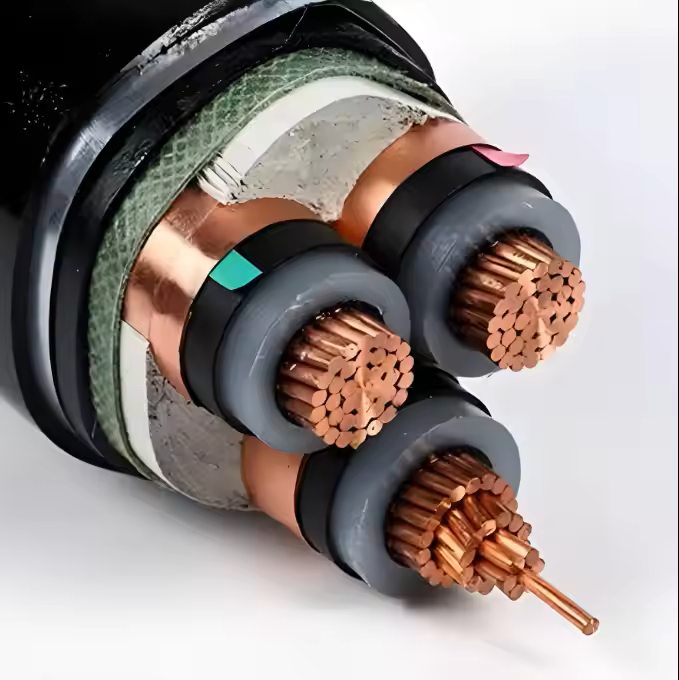
- Required conductor, insulation, sheath and armor details
- Destination, delivery stages and required records
- machine families and maximum motor range
- assembly and electrical-integration layout
- dust extraction used during tests
- runoff duration and simultaneous test bays
- temporary configurations and handover records
For woodworking machinery factory projects, references such as IEC 60502, IEC 60228 and IEC 60332 can help both sides use consistent terminology. They do not replace the approved specification or the buyer's responsibility to confirm the design.
How JINCHUAN Cable supports woodworking machinery factory decisions
For woodworking equipment manufacturers, machine builders and factory project teams evaluating the woodworking machine factory power cable supplier, JINCHUAN Cable can review flexible assembly cells and permanent runoff facilities against the machine ranges and routes supplied by the buyer.
The offer can clarify construction, delivery, labels and evidence while machine safety, control design and acceptance procedures remain with qualified project teams.
Buyers can review JINCHUAN Cable products and learn more about the JINCHUAN Cable company. Share the project purpose, critical loads, route conditions, quantities, destination and expected records to create a stronger basis for technical and commercial comparison.
Send the machine-range and runoff-capacity plan to obtain a quotation connected with accepted equipment rather than assembly floor area alone.
FAQ
What should buyers expect from a woodworking machine factory power cable supplier?
Buyers should expect the proposal to connect cable construction with machine variety, dust extraction, control-system needs, runoff duty and project handover, not merely repeat conductor sizes from a schedule.
Which part of the woodworking machinery factory should be mapped first?
Start with frame fabrication, machining, painting, mechanical assembly, electrical integration, dust-system checks, runoff testing and packing. This shows which supporting loads can interrupt more than one production stage.
How should quotations for the woodworking machinery factory be compared?
Compare the stated route assumptions, operating duty, included records, delivery grouping and exclusions beside price. That exposes scope differences before approval.
Which route conditions matter in a woodworking machinery factory?
The inquiry should distinguish metalworking bays, painted-component areas, assembly cells, electrical test spaces, dust-extraction rigs and loading zones. Broad labels such as indoor or industrial are rarely precise enough for a useful review.
What hidden risk deserves attention in this project?
A common hidden risk is building more assembly stations without enough runoff, dust-system or electrical test capacity to accept finished machines. Its production consequence may be greater than the connected load suggests.
Should future changes be discussed before ordering?
Yes. larger CNC routers, higher spindle power, automated handling and additional customer-test bays can affect route capacity, circuit names, distribution space and the value of today's approval records.
Which records help after installation?
Useful records include assembly-cell names, machine test ranges, dust-system dependencies, approved cable construction and final project revisions. They help receiving, installation and maintenance teams connect each cable with its purpose.
Which technical references may support the discussion?
IEC 60502, IEC 60228 and IEC 60332 may provide common terminology, while the approved project specification remains the final design basis.
What should be sent with the first RFQ?
Send the cable or load schedule plus project details such as machine families and maximum motor range, assembly and electrical-integration layout, dust extraction used during tests, runoff duration and simultaneous test bays, temporary configurations and handover records. Clear inputs allow suppliers to identify assumptions instead of guessing.
How can JINCHUAN Cable support the woodworking machinery factory?
JINCHUAN Cable can review the schedule, routes, operating conditions, quantities and required records against the result the buyer needs to protect: flexible assembly, reliable dust control, accurate controls and repeatable customer runoff tests.