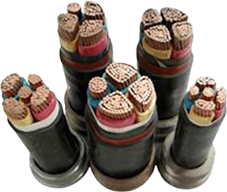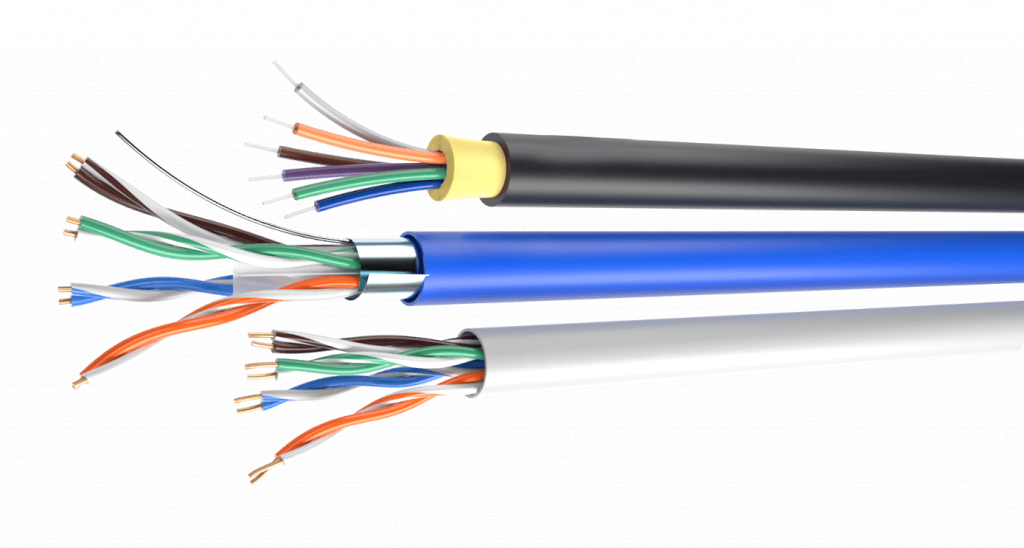

Power cable terminations and joints should be purchased as engineered interfaces, not generic kits selected by conductor size alone. Compatibility also depends on voltage class, insulation diameter, screen construction, sheath, armor, conductor shape, equipment entry and service environment.
Field quality depends on storage, preparation, cleanliness, dimensions, tools, installer competence, hold points and test records. Buyers should define who owns compatibility and who can approve a deviation before cable cutting or accessory installation begins.
This page covers the adjacent prompts about kit selection, cable data, indoor and outdoor interfaces, installer qualification, inspection, testing, spares, failures and traceability.
Scenario: the conductor size fits but the insulation does not
Situation: A joint kit is selected from a conductor-size table for an urgent site pull.
Finding: The actual insulation diameter is outside the approved accessory range.
Decision: Installation is held while cable data and the kit application range are reconciled and a compatible kit is approved.
Expected result: Power cable terminations and joints remain traceable to the real construction instead of a partial size match.
What must match before an accessory is approved?
A useful cable accessory system starts with a defined buyer, production outcome and project boundary. The following distinctions prevent a general factory inquiry from becoming an unqualified product request.
Cable construction
Confirm conductor, insulation diameter, screens, sheath and armor.
Equipment interface
Confirm bushing, enclosure, gland plate, clearances and connector.
Service environment
Identify indoor, outdoor, wet, polluted, buried and confined conditions.
Installation system
Approve installer, method, tools, consumables, inspection and testing.
The decision is strongest when each answer is supported by project-specific evidence for the cable termination and joint package.
Accessory Compatibility Decision Table
Use this specification table to compare each cable accessory system on the same approved project basis. Values are inputs to confirm, not assumptions for the supplier to invent.
| Specification item | Project input | Evidence to retain |
|---|---|---|
| Electrical system | Approved voltage class, grounding, fault duty, equipment interface and test basis | Approved single-line diagram and load schedule |
| Conductor and size | Buyer-defined material, cross-section and circuit duty | Cable schedule and engineering approval |
| Insulation and sheath | Joint or termination location, environment, access, enclosure and mechanical exposure | Route map and environmental boundary |
| Mechanical protection | Cable preparation, support, sealing, stress control, armor and gland arrangement | Installation method and risk review |
| Fire performance | Project-required performance and test reference | Approved specification and test documents |
| Identification | Circuit, cable, location, accessory model, kit batch, installer and test report | Drum list, cable register and final revision |
A compliant schedule makes technical and commercial differences visible before the cable termination and joint package cable order is released.
Claim-to-evidence audit for cable accessories
The construction review should connect materials and components with actual cable termination and joint package routes.
- Range fit: Cable dimensions fall inside the accessory application range; retain compatibility sheet.
- Interface fit: Connector and termination suit the equipment; retain interface drawing.
- Environment fit: Sealing and materials match the location; retain service-condition review.
- Workmanship control: Installer, tools and checklist are approved; retain qualification and installation record.
Power cable terminations and joints need traceable evidence for both product compatibility and field execution.
A field-quality workflow for joints and terminations
The cable accessory system should follow named handoffs from production input to released output.
| Work stage | Primary owner | Required output |
|---|---|---|
| Verify data | Production engineering | Compatibility approval; confirm cable dimensions, construction and interface. |
| Control storage | Plant engineering | Released materials; confirm kit batch, shelf condition and consumables. |
| Prepare work | Quality team | Readiness record; confirm installer, tools, cleanliness and weather. |
| Install and inspect | Construction team | Installation checklist; confirm dimensions, sequence, sealing and hold points. |
| Test and hand over | Maintenance team | Accessory register; confirm circuit, location, results, images and spares. |
The workflow keeps cable data, kit identity and workmanship connected through commissioning.
Termination and joint quality scorecard
Use this scorecard to test the quality evidence behind a cable accessory system. Certification names alone do not replace project-specific inspection and traceability.
| Criterion | Question | Evidence to request |
|---|---|---|
| Compatibility | Does the kit cover the exact cable and equipment interface? | Approved compatibility record |
| Readiness | Are materials, tools, environment and installer controlled? | Readiness checklist |
| Workmanship | Are preparation dimensions and hold points recorded? | Installation sheet |
| Handover | Can every installed accessory be located and traced? | Register and test report |
Power cable terminations and joints are accepted through compatibility plus verified workmanship, not kit branding alone.
How should accessory exceptions be handled?
Which branch protects accepted installed cable circuit with compatible accessories and workmanship records while meeting the required delivery date?
Cable dimension is outside range
Stop and obtain an approved compatible accessory or engineered deviation.
Equipment interface changed
Recheck connector, clearances, sealing and termination arrangement.
Kit condition is uncertain
Quarantine it and verify storage, batch and usable condition.
Work was interrupted
Assess cleanliness and completed steps before resuming or replacing materials.
Exception authority should be defined before site pressure turns a technical issue into undocumented rework.
Commercial risks hidden in accessory quotations
The quoted price for a cable accessory system is meaningful only when route, quantity, testing, delivery and exclusions use the same basis.
Red flag: Kit range is unclear
Why it matters: A site mismatch can stop installation Better requirement: Approve exact cable data
Red flag: Connectors are excluded
Why it matters: Equipment interfaces remain incomplete Better requirement: List all components
Red flag: Installation support is vague
Why it matters: Responsibility shifts after a failure Better requirement: Name scope
Red flag: Tests are not defined
Why it matters: Handover may be rejected Better requirement: Agree ITP
Red flag: No spare strategy
Why it matters: Emergency repair lead time grows Better requirement: Plan critical kits
A complete power cable terminations and joints quote reduces field delay and post-installation responsibility disputes.
Compare three accessory supply models
This comparison does not select a cable by industry label. It shows how three cable termination and joint package project configurations change the evidence a supplier must review.
| Project configuration | Defining features | Main advantage | Best fit | Relative cost level |
|---|---|---|---|---|
| Cable-only purchase | Accessories sourced separately by contractor | Flexible local sourcing | Experienced project teams | Low initial |
| Matched accessory package | Cable data and kits reviewed together | Clear compatibility | Defined projects | Medium |
| Installed-system support | Compatibility, training, inspection and spares coordinated | Strong field control | Critical circuits | High |
A power cable terminations and joints package should state the boundary between cable supplier, accessory vendor and installer.
Accessory handover and spare controls
OEM and project customization should make the cable accessory system easier to approve, receive, install and maintain.
Installed register
Record circuit, location, kit and installer.
Compatibility file
Retain cable data and approved kit range.
Test history
Link results and corrective action to location.
Spare inventory
Control model, batch, storage and replenishment.
Information to include in a power cable RFQ
Suppliers can compare the same basis when the RFQ includes the following project inputs.
- System voltage and frequency
- Load or cable schedule
- Motor ratings and starting method
- Route length and installation method
- Actual wet, dusty, hot, outdoor or mechanical conditions
- Required conductor, insulation, sheath and armor details
- Destination, delivery stages and required records
- complete cable construction and dimensions
- equipment and connector interfaces
- joint and termination environments
- installer, tools and inspection requirements
- testing, register and spare kits
For cable termination and joint package projects, references such as IEC 60502, IEC 60228 and IEC 60332 can help both sides use consistent terminology. They do not replace the approved specification or the buyer's responsibility to confirm the design.
How JINCHUAN Cable supports cable termination and joint package decisions
For EPC buyers, contractors, utilities, industrial maintenance teams and project quality engineers evaluating the power cable terminations and joints, JINCHUAN Cable can review buyer-approved schedules, cable construction data, accessory compatibility, drum identity and technical records, quantities, identification and document requirements for the cable termination and joint package.
The response can state assumptions, evidence and exclusions while final system design, protection, compliance approval and installation remain with qualified project teams responsible for the cable termination and joint package.
Buyers can review JINCHUAN Cable products and learn more about the JINCHUAN Cable company. Share the project purpose, critical loads, route conditions, quantities, destination and expected records to create a stronger basis for technical and commercial comparison.
Send the approved schedule and cable, interface and accessory requirements to request a quotation with a traceable evidence package.
FAQ
What should buyers expect from a power cable terminations and joints?
Buyers should expect the proposal to connect cable construction with cable construction, conductor, insulation diameter, screen, armor, sheath, equipment interface, environment, kit range, tools and installer competence, not merely repeat conductor sizes from a schedule.
Which part of the cable termination and joint package should be mapped first?
Start with cable data confirmation, interface survey, accessory selection, installer qualification, storage, installation, inspection, testing and handover. This shows which supporting loads can interrupt more than one production stage.
How should quotations for the cable termination and joint package be compared?
Compare the stated route assumptions, operating duty, included records, delivery grouping and exclusions beside price. That exposes scope differences before approval.
Which route conditions matter in a cable termination and joint package?
The inquiry should distinguish indoor panels, outdoor equipment, joint bays, tunnels, wet areas, dusty plants and confined entries. Broad labels such as indoor or industrial are rarely precise enough for a useful review.
What hidden risk deserves attention in this project?
A common hidden risk is selecting a kit by conductor size while insulation diameter, screen, armor, sheath or equipment interface falls outside its range. Its production consequence may be greater than the connected load suggests.
Should future changes be discussed before ordering?
Yes. alternate cable batches, revised equipment bushings, rerouted joints, different installers, emergency repairs and spare depletion can affect route capacity, circuit names, distribution space and the value of today's approval records.
Which records help after installation?
Useful records include cable datasheet, accessory compatibility, interface drawing, installer record, batch, checklist, test result and location register. They help receiving, installation and maintenance teams connect each cable with its purpose.
Which technical references may support the discussion?
IEC 60502, IEC 60228 and IEC 60332 may provide common terminology, while the approved project specification remains the final design basis.
What should be sent with the first RFQ?
Send the cable or load schedule plus project details such as complete cable construction and dimensions, equipment and connector interfaces, joint and termination environments, installer, tools and inspection requirements, testing, register and spare kits. Clear inputs allow suppliers to identify assumptions instead of guessing.
How can JINCHUAN Cable support the cable termination and joint package?
JINCHUAN Cable can review the schedule, routes, operating conditions, quantities and required records against the result the buyer needs to protect: compatible accessories, controlled workmanship, defined inspection, usable spares and traceable installed joints and terminations.