
A water treatment equipment factory cable supplier should understand project-based skid integration. Frames, pipes and vessels may be complete while panels, instruments, flushing or functional tests still prevent customer acceptance.
Because product configurations vary, the factory needs permanent zone and test identities that survive changes between filtration, dosing and membrane projects.
The sections below use an integration audit, cost controls and a project playbook to organize the buying decision.
Integration audit before skid cable approval
Confirm that mechanical, electrical and functional work share one project identity.
- Frames, vessels, piping, pumps and panels use the same skid numbering structure.
- Ordinary assembly, wet flushing and chemical-dosing zones are separated.
- Temporary test connections and permanent product wiring are clearly distinguished.
- Instrument and control checks match the approved process sequence.
- Delivery groups, labels and as-built records close at the same revision.
The audit prevents interface gaps between mechanical and electrical teams.
Cost controls for project-based water equipment production
Project variation creates cost through coordination as well as cable quantity.
| Cost driver | Project impact | Control before ordering |
|---|---|---|
| Skid diversity | Routes and working positions change by contract | Provide representative and maximum layouts |
| Pump and motor range | Starting and test duty vary | State approved equipment schedules |
| Wet functional tests | Temporary and shared loads affect bays | Define loops and simultaneous tests |
| Panels and instruments | Late interface changes create rework | Freeze I/O and identity milestones |
| Delivery phasing | Skids, panels and accessories may ship separately | Align labels and packing records |
A clear project structure reduces assumptions and change orders.
Follow a treatment skid from steel frame to functional evidence
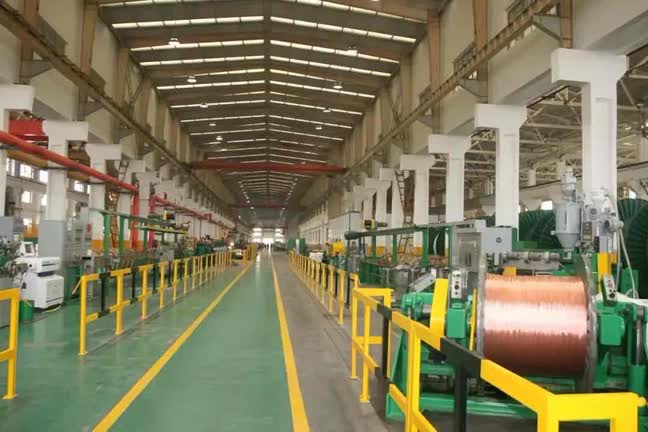
A useful water treatment equipment factory cable supplier starts with frame fabrication, vessel and component preparation, piping, pump and membrane installation, panel assembly, instrumentation, wiring, flushing, functional testing and packing. The schedule should connect every cable group with production flow, product quality or final release before buyers compare construction and price.
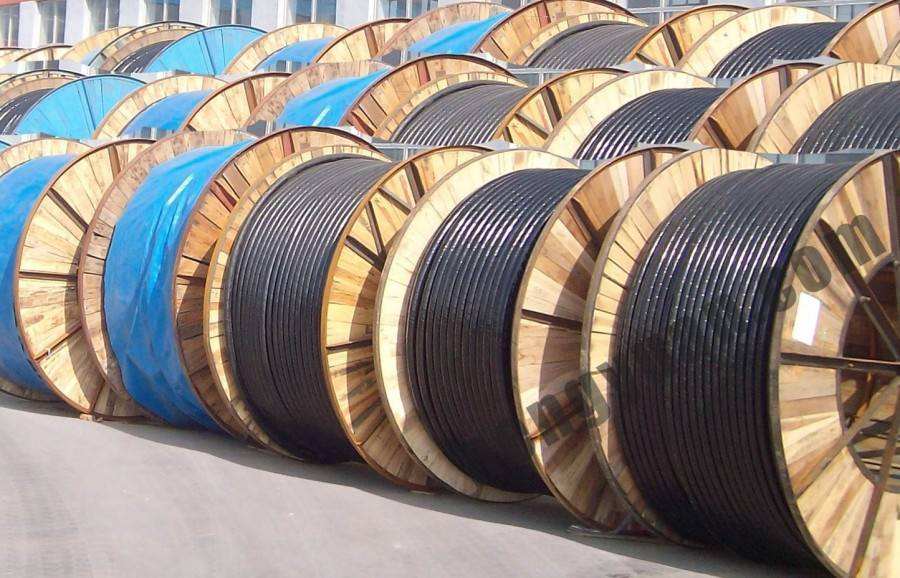
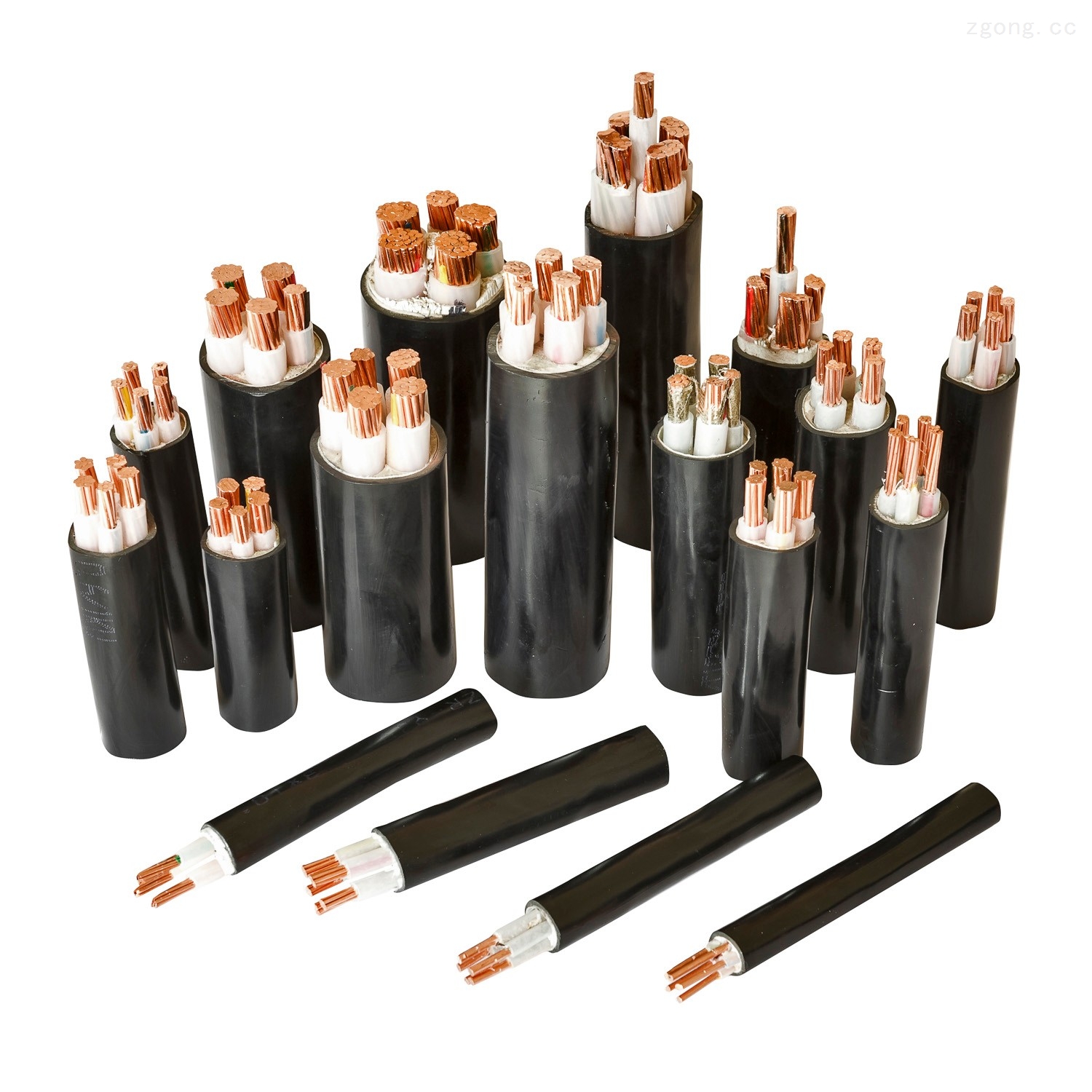
A water treatment skid cable may serve pumps, tools and temporary functional connections across several frame sizes and process configurations.
A control panel assembly cable and water system test bay cable support panel build, instrumentation, flushing and approved functional sequences that determine final release.
Scenario: membrane skids fill the flushing loop
Situation: An integrator wins a larger order for membrane-treatment skids.
Finding: Frame and piping bays can increase output, but flushing water, panel checks and functional-test positions remain shared across all projects.
Decision: The buyer maps complete accepted skids and expands the limiting test and control cable groups.
Expected result: The factory releases more documented systems instead of storing mechanically complete frames.
A handoff playbook for water-treatment skid projects
Define an output at each cross-functional handoff.
| Work stage | Primary owner | Required output |
|---|---|---|
| Project definition | Engineering | Approved process, skid, pump and panel schedules |
| Mechanical build | Production | Completed frame, piping and component installation |
| Electrical integration | Panel and controls team | Verified wiring, instruments and I/O |
| Wet functional test | Quality and commissioning | Flushing, rotation and sequence evidence |
| Shipment closeout | Project and logistics | Matched skids, panels, accessories and records |
The playbook makes cable identities useful from factory build through site installation.
System-integration gates for water-treatment equipment
Use these gates to locate incomplete system value.
| Production area | Constraint to verify | Cable-scope evidence |
|---|---|---|
| Frame and vessels | Dimensions and lifting | Project layout and work-zone names |
| Piping and pumps | Wet assembly and motor range | Equipment list and routes |
| Panels | Project-specific controls | Panel identities and bench schedule |
| Instrumentation | I/O and calibration dependencies | Instrument and loop records |
| Functional testing | Shared water, duration and sequences | Test-bay envelope and evidence |
The cable scope should protect integrated systems rather than isolated fabrication output.
Five interface questions before skid production expands
These questions identify the teams and evidence needed at each system boundary.
Who owns the common skid numbering plan?
Engineering, production, panels and logistics should use one approved project identity.
Which pumps and instruments are energized during factory tests?
List approved temporary and permanent equipment for each representative skid.
Where do wet flushing and chemical-dosing work occur?
Mark actual zones, drainage, ventilation and shared services.
How are panel and I/O revisions closed?
Connect controls, instruments, test evidence and cable labels at one milestone.
Which items ship separately from the skid?
Match panels, accessories and records through delivery-group identities.
Clear interface ownership reduces rework and missing shipment items.
RFQ details for water-treatment skid integration
The request should describe representative systems and project handoffs.
- System voltage and frequency
- Load or cable schedule
- Motor ratings and starting method
- Route length and installation method
- Actual wet, dusty, hot, outdoor or mechanical conditions
- Required conductor, insulation, sheath and armor details
- Destination, delivery stages and required records
- treatment processes, flow rates and skid dimensions
- vessels, pumps, membranes and dosing equipment
- panel, control and instrument schedules
- flushing and functional-test loops
- project numbering, delivery groups and records
For water treatment equipment factory projects, references such as IEC 60502, IEC 60228 and IEC 60332 can help both sides use consistent terminology. They do not replace the approved specification or the buyer's responsibility to confirm the design.
How JINCHUAN Cable supports water treatment equipment factory decisions
For water-treatment OEMs, skid integrators and factory project teams evaluating the water treatment equipment factory cable supplier, JINCHUAN Cable can review fabrication, wet-assembly, panel and functional-test cable groups against buyer-approved skid project data.
The response can document construction and delivery assumptions while process design, chemical safety and system qualification remain with responsible specialists.
Buyers can review JINCHUAN Cable products and learn more about the JINCHUAN Cable company. Share the project purpose, critical loads, route conditions, quantities, destination and expected records to create a stronger basis for technical and commercial comparison.
Send a representative skid package and test sequence to obtain a quotation aligned with complete accepted systems.
FAQ
What should buyers expect from a water treatment equipment factory cable supplier?
Buyers should expect the proposal to connect cable construction with skid variants, pumps, wet routes, dosing systems, controls, functional tests and documentation, not merely repeat conductor sizes from a schedule.
Which part of the water treatment equipment factory should be mapped first?
Start with frame fabrication, vessel and component preparation, piping, pump and membrane installation, panel assembly, instrumentation, wiring, flushing, functional testing and packing. This shows which supporting loads can interrupt more than one production stage.
How should quotations for the water treatment equipment factory be compared?
Compare the stated route assumptions, operating duty, included records, delivery grouping and exclusions beside price. That exposes scope differences before approval.
Which route conditions matter in a water treatment equipment factory?
The inquiry should distinguish metalworking areas, piping cells, wet skid assembly, chemical-dosing stations, panel benches, flushing bays and functional-test zones. Broad labels such as indoor or industrial are rarely precise enough for a useful review.
What hidden risk deserves attention in this project?
A common hidden risk is treating panel assembly and wet functional tests as final details although they determine whether a skid can be released. Its production consequence may be greater than the connected load suggests.
Should future changes be discussed before ordering?
Yes. larger flow rates, new membrane trains, more dosing modules, remote controls and additional test loops can affect route capacity, circuit names, distribution space and the value of today's approval records.
Which records help after installation?
Useful records include project, skid, pump, panel, instrument and test identities, wet-zone routes, approved ranges and as-built revisions. They help receiving, installation and maintenance teams connect each cable with its purpose.
Which technical references may support the discussion?
IEC 60502, IEC 60228 and IEC 60332 may provide common terminology, while the approved project specification remains the final design basis.
What should be sent with the first RFQ?
Send the cable or load schedule plus project details such as treatment processes, flow rates and skid dimensions, vessels, pumps, membranes and dosing equipment, panel, control and instrument schedules, flushing and functional-test loops, project numbering, delivery groups and records. Clear inputs allow suppliers to identify assumptions instead of guessing.
How can JINCHUAN Cable support the water treatment equipment factory?
JINCHUAN Cable can review the schedule, routes, operating conditions, quantities and required records against the result the buyer needs to protect: organized skid fabrication, accurate piping, reliable panel integration and complete functional-test evidence.