
Armor is one line on a cable schedule, yet the three common forms behave very differently once a route turns difficult.
A steel wire armored cable is specified when the drum has to be pulled through long ducts or around bends under tension. Steel tape armor handles radial impact from backfill and traffic but tolerates far less pulling force. Aluminum interlock armor keeps weight down and resists corrosion, and it dents under a concentrated load.
Those strengths pull in different directions, so the armor question belongs to the route survey rather than to the price comparison.
What the Armor Has to Survive
Before comparing constructions, write down the conditions that will act on the finished cable.
- Pulling tension over the whole drum length, plus the extra load created by bends, duct friction and direction changes.
- Radial impact during backfill, compaction and any later excavation beside the same trench.
- Moisture and soil chemistry, including chloride content, acidic ground and a water table that rises with the season.
- Rodent and termite pressure, which is normally answered with more metal rather than a larger conductor.
Whichever condition dominates becomes the first filter, because one construction rarely leads on all four.
A steel wire armored cable earns its place on routes with high installation tension, while tape armor suits radially loaded buried runs and interlock armor favours light, corrosion-prone installs.
Where Steel Tape Fits and Where It Stops
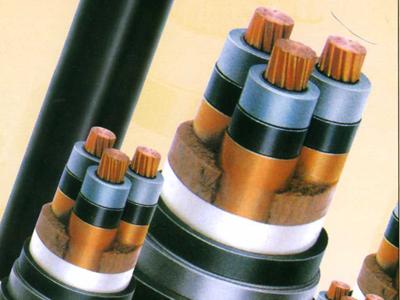
Steel tape armor is built as two tapes applied in opposite directions over a bedding layer, with an outer sheath holding the assembly together. That arrangement spreads radial force across a wide area, which is why tape suits buried runs in ordinary soil and ducts where installation tension stays moderate. A steel wire armored cable answers the same route because every wire shares the longitudinal load instead of leaving it to the sheath.
The limit appears during installation. Tape armor carries very little longitudinal load, so a long pull through a rough duct can lift or wrinkle the tapes long before the cable reaches the far end. When that happens the armor no longer sits as designed, and the defect is usually invisible from outside.
Large tape constructions also bend less gracefully. Radius, duct offset and the number of direction changes decide whether tape stays a sensible answer or whether the route needs wire instead.
Armor selection should follow the dominant route risk, because a construction that handles impact rarely handles tension equally well.
Comparing the Three Common Armor Forms
The differences below settle most route-level arguments.
| Armor form | Tensile load | Radial protection | Main weakness |
|---|---|---|---|
| Steel wire | Carries it well | Moderate | Heavier drum and tighter bend limits |
| Steel tape | Carries little | Strong | Tapes can lift on long pulls |
| Aluminum interlock | Flexible, moderate | Moderate | Dents under a point load |
| None, thick sheath only | None | Limited | Wrong where impact or rodents dominate |
A steel wire armored cable and a tape construction rarely lead in the same column, which is why the route has to be named first.
The cable schedule should state the armor class, wire or tape count and the required standard, since those three details decide what the factory builds.
Verification Points When the Drum Arrives
Armor damage is easiest to prove before the drum leaves the delivery point.
Count the wires
Confirm the wire count and lay direction against the datasheet, and check that the wires sit evenly around the core without gaps or crossed strands.
Inspect the tape overlap
Look for lifting, wrinkles or visible bedding between the tapes. A tape that shifted during sheathing does not recover in service.
Measure the outer sheath
Take thickness readings at several points along the drum rather than one, and check the surface for scoring or drag marks.
Check the cut ends
Exposed armor at both ends should be clean and dry. Rust or a dark oxide film at the cut suggests moisture reached the metal before shipment.
Bend radius and pulling tension for a steel wire armored cable belong in the installation method statement, not only in the datasheet.
Fields the Factory Needs Before It Can Build
Armor is chosen in the design office but built from the order sheet, so a vague schedule is a real risk.
| Field | Why the factory needs it | Risk when it is missing |
|---|---|---|
| Route type | Sets the expected impact and tension | The wrong armor class is quoted |
| Pull length and bends | Defines the pulling limit | Tapes lift or wires stretch |
| Soil or water exposure | Drives sheath and metal selection | Corrosion starts within a season |
| Required standard | Fixes test and marking rules | Evidence does not match the specification |
| Drum length | Limits tension per drum | A long drum becomes uninstallable |
All five fields belong on the enquiry, even when the answer is still provisional.
Send the route survey with the enquiry so the quotation reflects the conditions the armor has to survive.
Pulling Force, Radius and the Numbers Behind Them
Manufacturers publish a maximum pulling tension and a minimum bending radius, and both depend on the armor. A steel wire armored cable tolerates the higher figure, interlock armor accepts tight radii but not sharp edges, and tape armor sits between them in radius while remaining weak in tension.
What matters on site is the combination. A route that is straight but long punishes tape through continuous friction, while a route that is short but full of offsets punishes wire through repeated bending. Sidewall pressure at each bend is often the value that ends the discussion.
Recording the pull force during installation turns a later dispute into a measurement. If the final figure sits well inside the published limit, the armor choice and the pulling setup were both adequate.
Accessories Change With the Armor
Armor is not a wrapping that leaves the rest of the system untouched.
- Glands must match the armor type, since wire armor is gripped by a separate clamping ring while tape armor relies on a different sealing arrangement.
- Bonding of the armor needs a defined path, usually through the gland or a conductor sized for the fault current at that point.
- Cleats and supports are spaced for the finished mass, which rises with wire armor and falls with an interlock design.
- Joint bays need enough room for the armor to be rebuilt with the same protection as the parent cable.
Order accessories from the same construction data, otherwise a correct cable arrives with a gland that cannot grip it.
Cost Points That Appear After the Quote
Armor affects more than the price per metre.
| Cost item | How armor changes it | Typical surprise |
|---|---|---|
| Drum mass | Wire armor adds weight | Crane and transport limits are exceeded |
| Installation time | Interlock armor is easier to handle | The labour estimate assumed a lighter drum |
| Jointing | Armor restoration takes time | Joint bay count rises |
| Corrosion allowance | Metal selection drives service life | Coating was never specified |
| Spares | Mixed armor types need separate accessories | The store holds the wrong glands |
Comparing two quotations is only meaningful when both carry the same armor class.
Moisture, Metals and the Outer Sheath
Water reaching the armor is the beginning of a long failure. A damaged or thin outer sheath allows moisture to sit against steel, and the resulting corrosion consumes metal slowly at first and then quickly once the surface is pitted.
Dissimilar metals need attention as well. Aluminum armor in contact with a copper bonding system creates a galvanic pair, and the aluminum becomes the sacrificial side unless the joint is designed to prevent it.
A thicker outer sheath is not always the answer. In some soils a specific sheath compound, a bedding layer or a moisture barrier does more for service life than simply adding material.
Case: Replacing Tape With Wire on a Yard Feeder
Situation: A yard feeder had been specified with steel tape armored cable on the strength of an older drawing. The new route crossed a paved area, ran through two duct bends and finished 180 metres away.
Finding: The pull calculation produced a tension that tape could not carry, and the first drum showed lifted tapes after a trial pull of 40 metres.
Decision: The design changed to a steel wire armored cable with a larger drum count, the duct was lubricated with a compatible compound, and pulling was limited to one drum per shift.
Result: The pull completed without armor damage, and the recorded tension stayed below the published limit, which gave the handover file a measurement instead of an assurance.
RFQ Inputs for Armor Selection
A quotation matches the route when these details travel with the enquiry.
- the route type, and whether the run is buried, ducted, trayed or in free air
- the total pull length, the number of bends and any vertical section
- the expected soil or water exposure, including chloride and acid content where known
- the construction being compared, conductor size, core count and voltage class
- the required standard and the evidence expected with the delivery
- the drum length and the handling equipment available at site
- the gland and accessory types already approved for the project
- the destination, packing requirements and expected delivery window
Technical references such as IEC 60502, IEC 60228 and IEC 60332 can align cable construction and test terminology. The approved project specification, applicable local rules and qualified design authority still govern the final system decision.
JINCHUAN Cable Support for armor selection for buried, ducted and yard cable routes
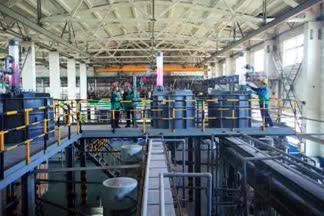
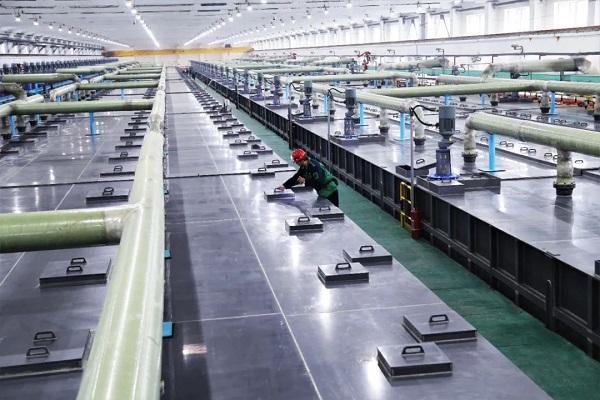
JINCHUAN Cable builds steel wire armored cable and steel tape constructions to the class stated on the schedule and supplies wire counts, tape details, sheath compounds and test records with the drum.
Review the armored range and the manufacturing profile, then send the route survey so the construction can be confirmed against it.
Name the dominant route risk first, and the armor comparison becomes a short technical discussion instead of a price argument.
FAQ
What is steel wire armored cable used for?
A steel wire armored cable suits routes that apply significant pulling tension, such as long ducts or runs with several bends, and where mechanical protection against rodents and impact is also required.
Is tape armor weaker than wire armor?
For radial impact tape is strong, but it carries very little pulling load and can lift during a long pull, so the two answer different route conditions rather than ranking above each other.
Which armor resists corrosion best?
Aluminum interlock armor is often chosen for wet or coastal routes, and steel armor depends on sheath thickness and coating for the same duty.
Does armor remove the need for a proper sheath?
No. The outer sheath keeps moisture away from the armor, so sheath thickness and compound still decide service life.
Can a route change from tape to wire later?
It usually means re-quoting, because wire armor changes mass, bend radius, gland type and practical drum length at the same time.
How is armor bonded?
The armor is bonded through the gland or a dedicated conductor sized for the fault current expected at that point in the system.
What should be checked on delivery?
Wire count and lay, tape overlap, sheath thickness and the condition of the exposed armor at both drum ends.
Does armor affect the drum length ordered?
Yes. Heavier armor lowers the practical drum length, and a shorter drum keeps pulling tension inside the limits quoted for the cable.
Is interlock armor suitable underground?
It can be used where impact is moderate, although a point load can dent it and the install should protect against sharp stones.
How can JINCHUAN Cable help with armor selection?
JINCHUAN Cable can compare constructions against the route survey and provide the sheath, armor and test data the project needs.