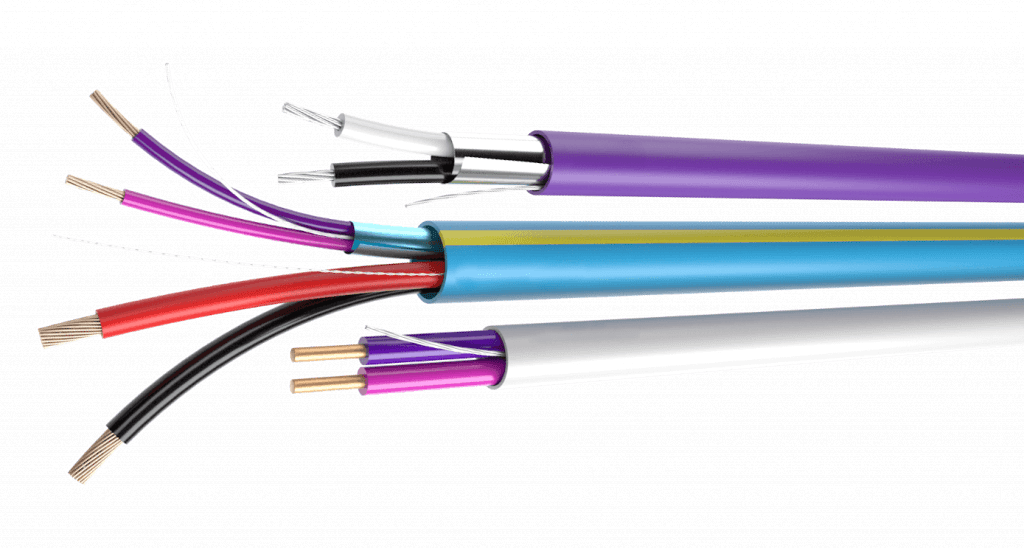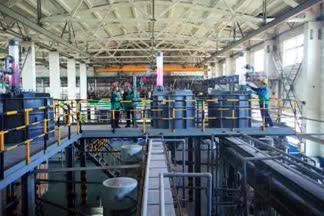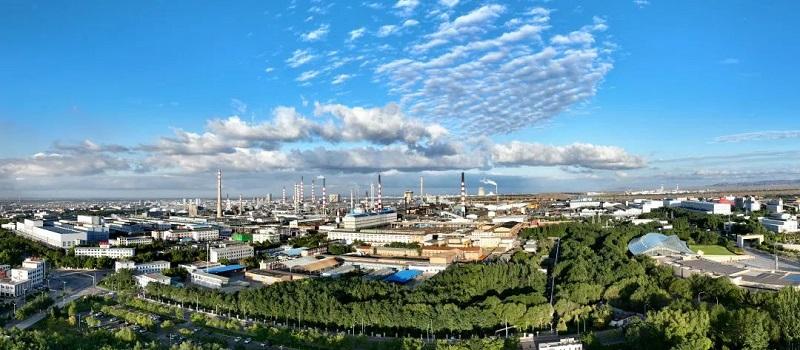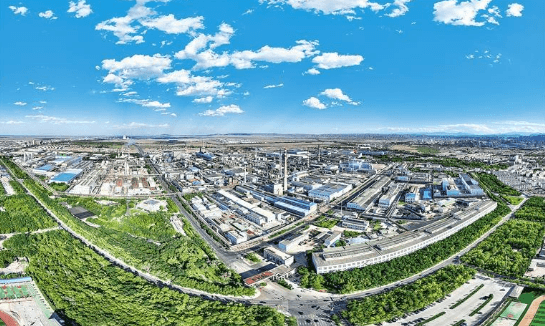

A carpet factory power cable supplier should not treat the plant as one textile environment. Dry tufting floors, wet dyeing areas and hot drying sections create different route and maintenance conditions.
A route-risk map makes those differences visible before quotations are compared. It connects each cable group with production consequence, exposure and access.
The result is a clearer scope for purchasing and a more useful set of records for maintenance across a long, multistage line.
How to evaluate a carpet factory power cable supplier by route risk
The most important comparison is whether each cable assumption matches the zone it will actually cross.
Tufting combines repeated drives and dust
The tufting machine power cable serves wide production equipment, yarn systems and auxiliaries that establish the base carpet output. This is why its value should be judged by production consequence as well as electrical rating.
Clarify machine zones, drive duty, dust and maintenance access.
Wet processing needs precise boundaries
The carpet dyeing cable may support pumps, applicators, washers and conveyors in wet or chemical areas. This is why its value should be judged by production consequence as well as electrical rating.
Show actual exposure, drainage, cleaning and transitions to dry rooms.
Drying is a thermal system, not one feeder
The carpet dryer power cable supports fans, burners, conveyors and controls distributed along a hot section. This is why its value should be judged by production consequence as well as electrical rating.
Identify temperature, ventilation, zones and restart dependencies.
Route conditions that should never be merged into one assumption
A zone map helps buyers avoid both under-specification and unnecessary factory-wide requirements.
| Area or signal | Why it matters | What to clarify |
|---|---|---|
| Tufting floor | Dust and repeated drives | Machine zones and cleaning |
| Dyeing and washing | Water and chemical exposure | Route boundaries and drainage |
| Drying | Heat and airflow | Temperature, fans and access |
| Finishing and rolling | Continuous handling | Line identity and future equipment |
RFQ information should be organized by production zone
Grouping the inquiry by zone makes route conditions and supplier assumptions easier to compare.
- System voltage and frequency
- Load or cable schedule
- Motor ratings and starting method
- Route length and installation method
- Actual wet, dusty, hot, outdoor or mechanical conditions
- Required conductor, insulation, sheath and armor details
- Destination, delivery stages and required records
- Wet, dry and hot route boundaries
- Shared pumps and ventilation
- Zone-based drum and installation plan
For carpet factory projects, references such as IEC 60502, IEC 60228 and IEC 60332 can help both sides use consistent terminology. They do not replace the approved specification or the buyer's responsibility to confirm the design.
One carpet line crosses dry, wet and hot production zones
The production path covers yarn preparation, tufting or weaving, backing, dyeing or printing, washing, drying, finishing and rolling. Material moves continuously while process conditions change from dust and repeated drives to water, chemicals, heat and ventilation.
For carpet manufacturers, textile engineers and wet-process project teams, the useful cable schedule connects those stages with stable area and equipment names. That makes installation scope easier to compare and gives maintenance teams records that reflect how the carpet factory actually operates.
Where carpet-project assumptions become misleading
The whole plant is called wet
Dry and hot routes lose their distinct requirements.
Dryer fans are hidden as auxiliaries
Thermal operation depends on the complete fan and conveyor group.
Zone transitions are not measured
Cable route and exposure assumptions become unclear.
Finishing changes are ignored
Product range can alter downstream handling and capacity.
A new dyeing range changes more than the wet section
A factory adds new dye application equipment and a wider product range.
Pumps, washing, drying, ventilation and finished-roll handling all change, while some routes cross existing production zones.
JINCHUAN Cable can review the project by zone and process interface, giving the buyer a clearer cable and delivery scope.
How JINCHUAN Cable supports carpet factory projects
For carpet manufacturers, textile engineers and wet-process project teams evaluating the carpet factory power cable supplier, JINCHUAN Cable can connect carpet production zones with their different route risks, operating dependencies and delivery needs.
This helps buyers compare proposals without applying one broad assumption to a factory that actually contains several distinct electrical environments.
Buyers planning carpet factory projects can review JINCHUAN Cable products and learn more about the JINCHUAN Cable company. Sharing the project purpose, critical loads, route conditions, quantities, destination and expected records creates a stronger basis for the next discussion.
That information helps JINCHUAN Cable connect cable construction with stable tufting, controlled wet processing, dependable drying and reliable finishing, rather than responding with a catalog-only quotation.
Build the route-risk map in four passes
Each pass adds information without forcing the team to solve every detail at once.
Mark production zones
Separate tufting, wet processing, drying and finishing.
Trace shared systems
Show pumps, ventilation and handling that cross zones.
Add maintenance access
Identify routes difficult to inspect during production.
Connect records with equipment
Use stable machine and zone identifiers.
Projects that need a route-risk map
It is useful for integrated carpet factories, wet-process additions and long lines crossing several operating environments.
- New carpet factories
- Dyeing and washing expansions
- Dryer upgrades
- Integrated tufting-to-finishing lines
A dry weaving-only facility may need a simpler map, but dust, drive groups and finishing routes should still be distinguished.
FAQ
What should buyers expect from the carpet factory power cable supplier?
Buyers should expect a discussion that connects cable construction with critical loads, route conditions, maintenance needs and future plans for the carpet factory.
Why is cable planning important for carpet factory projects?
Cable planning for the carpet factory supports uptime by keeping shared systems, operating conditions and circuit identity visible before installation.
Is the lowest cable price always the best value?
No. Supplier comparison for carpet factory projects should include operating fit, route assumptions, records, packing and the risk of changes after approval.
How can buyers make the first inquiry more useful?
Describe what must keep running in the carpet factory, then provide load, voltage, route, environment, quantity and document information.
Can JINCHUAN Cable review this type of carpet factory project?
Yes. JINCHUAN Cable can review the carpet factory cable schedule, loads, routes, site conditions, quantities and expected approval records.
Why do equipment and route names matter?
In carpet factory projects, they help engineering, receiving, installation and maintenance teams connect every cable with its actual purpose.
Should future expansion be discussed before ordering?
Yes. Known carpet factory expansion stages can affect route space, distribution capacity, circuit naming and the value of today's records.
Which technical references may be discussed?
Teams working on carpet factory projects may discuss IEC cable and conductor references, while the approved specification remains the final basis for the order.
What information makes a supplier reply more useful?
For the carpet factory, provide the load list, voltage, route, installation environment, operating dependencies, quantities, destination and required records.
How does a clear cable plan support the buyer?
It connects the carpet factory cable decision with uptime, maintenance and growth, giving the buyer a practical basis for comparing suppliers.