
A commercial bakery power cable supplier supports a process where timing matters from the first mix to final packaging. Mixers, dividers, proofers, ovens, cooling conveyors and packing machines must stay coordinated. A stop in one stage can waste ingredients, interrupt temperature control and leave product waiting in the wrong place.
The best cable discussion therefore starts with product flow and uptime. Heat, flour dust, washdown and shared utilities all matter, but they should be explained through the way the bakery operates and the production losses a weak assumption could create.
Bakery production is a timed process, not a collection of separate machines
An industrial oven power cable serves equipment that may operate for long periods near concentrated heat. Buyers should distinguish the actual oven route from cooler areas of the building so the technical review reflects the real environment.
A bakery mixer cable has a different operating pattern. Mixers, dividers and proofers may start and stop with batches, while cooling and packaging conveyors follow a continuous flow. Clear process-stage marks make those differences understandable to installation and maintenance teams.
Where commercial bakery cable decisions affect customers most
Oven heat is a route issue
Temperature near the oven can change sharply over a short distance. The useful question is not whether the bakery is hot, but which cable sections pass close to hot surfaces and which remain in ordinary service areas.
Flour dust affects several production zones
Mixing and ingredient handling can spread dust beyond one machine. The buyer should identify where it accumulates, how the area is cleaned and which motors or extraction systems support safe, continuous operation.
Proofing and cooling protect product quality
Proofers, chillers and cooling conveyors may not draw attention like the oven, but their availability keeps the production schedule stable. Their feeders should be easy to identify because a small utility failure can affect a large volume of product.
Packaging speed must match the line
A faster oven or cooling conveyor creates little value if packaging cannot keep pace. Cable planning for future wrappers, case packers or palletizers helps the bakery protect its investment when output grows.
A new oven changes more than one feeder
When a bakery installs a larger tunnel oven, the project may also need new fans, proofing capacity, cooling conveyors and packaging speed. Treating the oven as a standalone load can leave the rest of the line struggling to match its output.
A practical project review follows the product from mixing through dispatch and identifies every system affected by the upgrade. JINCHUAN Cable can then consider the oven, supporting motors and route conditions within one coordinated cable requirement.
The outcome is a more useful investment plan and a set of cable records that production and maintenance teams can understand after commissioning.
Choosing the right commercial bakery power cable supplier by business value
For industrial bakery operators, food factory engineers and production teams, supplier comparison should begin with the results the project must protect: timed production, oven and cooling uptime, product quality and packaging growth. The cable proposal should show how its assumptions connect with those operating priorities.
Price still matters in commercial bakery projects, but it should be read beside route conditions, critical loads, cable identity and what is included in the offer. A lower figure can become expensive if site teams later discover that the route, operating duty or delivery grouping was misunderstood.
The most useful commercial bakery proposal is easy for different teams to read. Engineering can understand construction and duty, purchasing can see commercial scope, and maintenance can recognize how the cable will be identified after installation.
Recipes change, so production infrastructure must stay legible
Commercial bakeries add products, package formats and line automation over time. Equipment may move even when the building does not. Consistent line and machine names help future teams connect new loads without losing the logic of the existing system.
A repeat cable purchase is stronger when approved construction, route and equipment context remain available. The supplier can then evaluate the new duty rather than simply duplicate an old item.
Turning operating needs into clear cable requirements
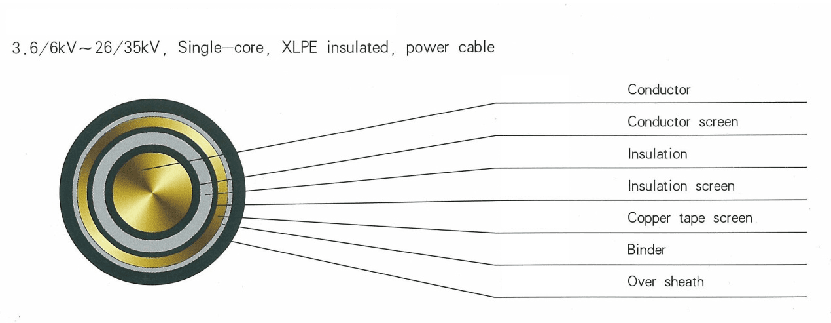
Technical detail matters when it is connected to the operation. Voltage, conductor, insulation, sheath, armor, fire performance and motor duty should be discussed in relation to the commercial bakery route and operating consequence.
For commercial bakery projects, references such as IEC 60502, IEC 60228 and IEC 60332 can help both sides use consistent terminology. They do not replace the project specification or the buyer's responsibility to confirm the design. Their value is to make supplier discussions clearer and easier to compare.
How JINCHUAN Cable supports commercial bakery projects
For buyers evaluating the commercial bakery power cable supplier, JINCHUAN Cable can support bakery projects by linking cable selection with heat, dust, washdown and the timing of the production line. This positions the brand as a practical project partner that understands what continuous food production requires.
commercial bakery buyers can explore JINCHUAN Cable products and learn more about the JINCHUAN Cable company. For a quotation, share the project purpose, critical loads, route conditions, cable schedule, quantities, destination and expected approval records.
That information allows JINCHUAN Cable to respond to the way the commercial bakery operates. It also gives buyers a stronger basis for comparing offers and preserving useful records for future maintenance or expansion.
FAQ
What should buyers expect from the commercial bakery power cable supplier?
Buyers should expect a discussion that connects cable construction with the operating conditions, critical loads and future plans of the commercial bakery.
Why is cable planning important for commercial bakery projects?
Cable planning for the commercial bakery supports uptime by keeping critical systems, shared utilities, route conditions and maintenance needs visible before installation.
Is the lowest cable price always the best value?
No. Supplier comparison for commercial bakery projects should include operating fit, route assumptions, identification, included records, packing and the risk of changes after approval.
How can buyers make the first inquiry more useful?
Describe the commercial bakery operating problem, explain what must keep running and attach technical data that supports that requirement.
Can JINCHUAN Cable review this type of commercial bakery project?
Yes. JINCHUAN Cable can review the commercial bakery cable schedule, loads, routes, site conditions, quantities and document expectations supplied by the buyer.
Why do equipment and route names matter?
In commercial bakery projects, they help engineering, receiving, installation and maintenance teams connect each cable with its actual purpose throughout the project.
Should future expansion be discussed before ordering?
Yes. Known commercial bakery expansion stages can affect route space, distribution planning, circuit naming and the usefulness of today's cable records.
Which technical references may be discussed?
Teams working on commercial bakery projects may discuss IEC cable and conductor references, but the approved project specification remains the final basis for the order.
What information makes the first supplier reply more useful?
For commercial bakery projects, provide the load list, voltage, route, installation environment, operating dependencies, quantities, destination and required records.
How does a clear cable discussion help a buyer?
It connects the commercial bakery cable decision with uptime, maintenance and growth, then gives the buyer a practical basis for supplier comparison.