
A garment factory power cable supplier should understand that production layouts can change faster than the building. A new customer order may require another sewing line, different cutting equipment or more pressing capacity within weeks.
The practical solution is to keep permanent electrical infrastructure understandable while allowing workstations and line arrangements to change. Cable planning should support the factory's production rhythm rather than freeze one temporary layout in place.
This helps buyers avoid repeated ad hoc extensions and gives facility teams clearer information about available capacity and shared utilities.

Why a light manufacturing floor still needs structured cable planning
Garment production may include fabric storage, spreading, automated cutting, sewing, embroidery, washing, ironing, inspection and packing. Individual machines may be modest loads, but hundreds of workstations and shared utilities shape total reliability.
Zone and line names should remain stable even when individual machine positions change. This creates a practical bridge between distribution records and the factory floor.
Three decisions that define the right garment factory power cable supplier
Plan distribution around changeable sewing lines
A sewing floor power cable system should support line changes without relying on uncontrolled extensions. Buyers should consider distribution points, circuit grouping and future workstation density.
The aim is not to predict every layout, but to keep capacity and circuit identity clear enough for safe, efficient changes.
Treat cutting equipment as a production bottleneck
A fabric cutting cable may serve automated cutters, spreaders, vacuum systems and control equipment. When cutting stops, multiple sewing lines can run out of prepared work.
These circuits deserve visibility based on production consequence, even if the cutting room occupies a smaller area than the sewing floor.
Make pressing and air systems visible as shared utilities
An ironing line power cable may connect with steam generators, vacuum tables and finishing equipment. Compressed air can also support several production areas.
Shared utilities should be labeled by the zones they serve so an interruption can be understood before teams begin tracing circuits.
Match flexible garment operations with stable electrical records
The buyer should separate areas that change frequently from utilities and equipment that must remain continuously available.
| Production area | Main concern | What the buyer should clarify |
|---|---|---|
| Cutting room | Bottleneck for several lines | Equipment group, vacuum load and expansion plan |
| Sewing floor | Frequent layout changes | Distribution zones, workstation density and spare capacity |
| Ironing and finishing | Heat, steam and shared utilities | Utility source, route conditions and line identity |
| Inspection and packing | Order deadlines and flow | Area circuits, conveyors and future automation |
Creating two new sewing lines for a major order
A factory may need to add two sewing lines and an automated cutter for a new customer program. The production change also increases lighting, compressed air, pressing and inspection demand.
The facility team reviews available capacity by zone instead of adding isolated extensions. JINCHUAN Cable can then assess feeder and route requirements with the planned line arrangement and shared utilities visible.
The factory gains a clearer installation plan and records that remain useful when the order ends and the floor is rearranged again.
What buyers should include in the RFQ
A useful RFQ should explain which parts of the layout are permanent, which will change and which shared systems support several production zones.
- System voltage and frequency
- Load or cable schedule
- Motor ratings and starting method
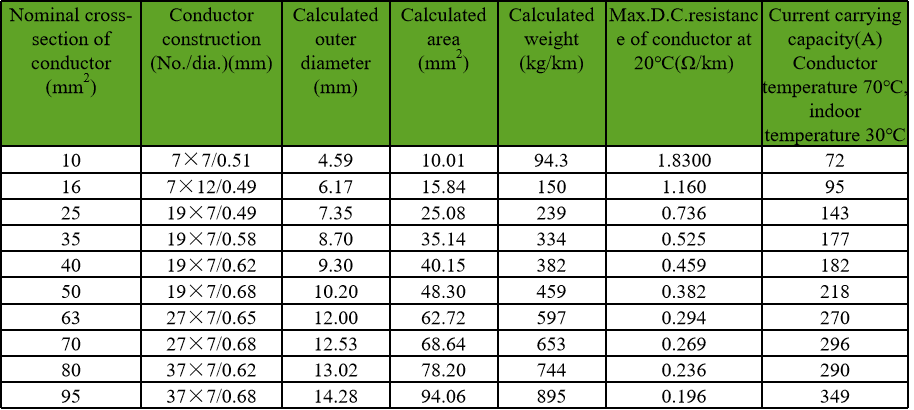
- Route length and installation method
- Indoor, outdoor, wet, dusty or hot route conditions
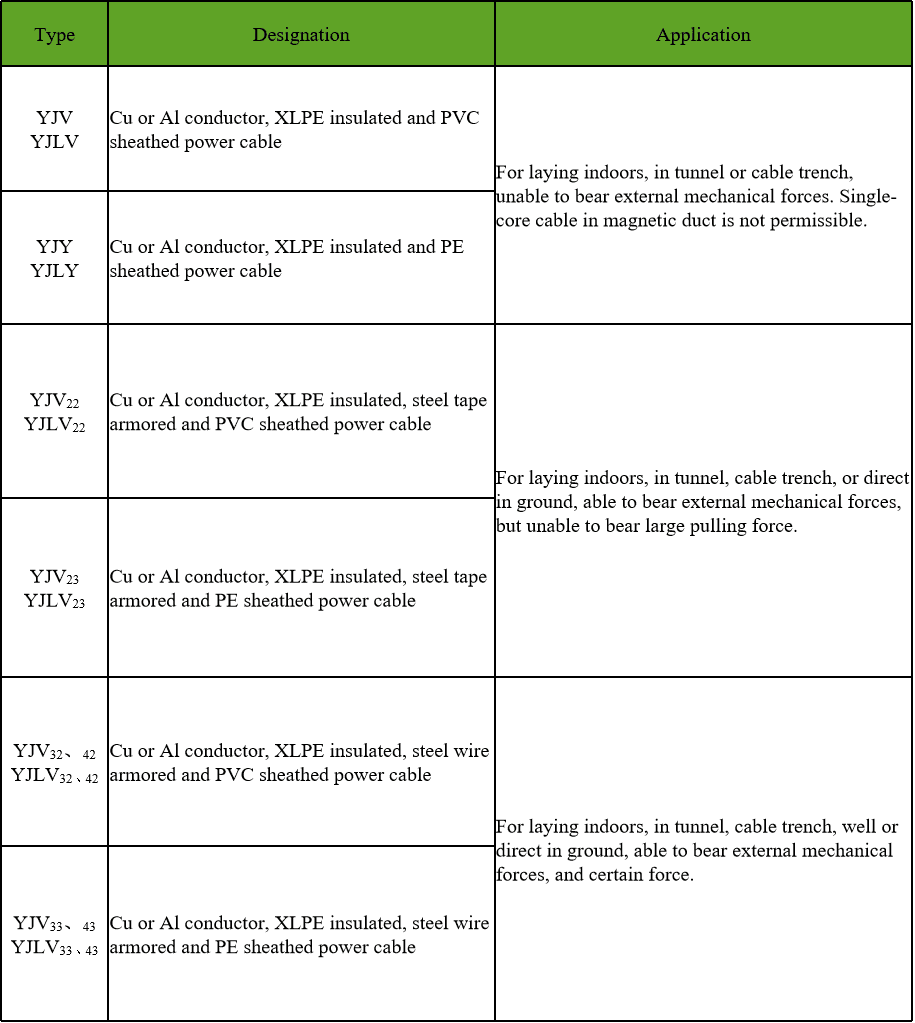
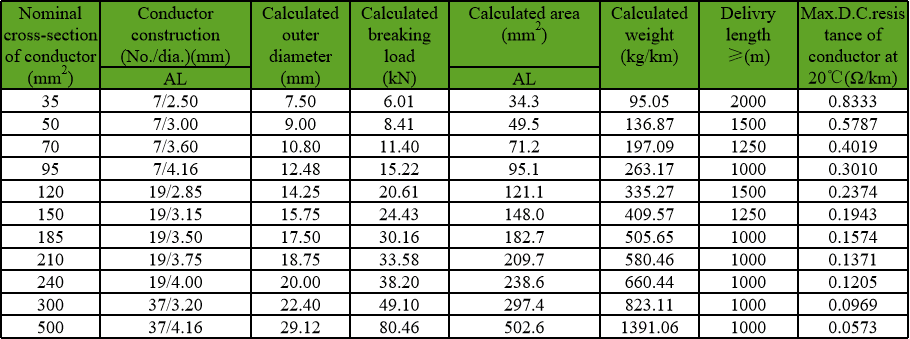
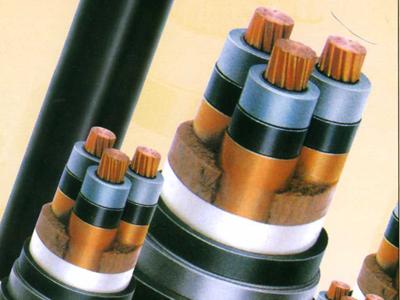
- Required conductor, insulation, sheath and armor details
- Destination, delivery stages and required records
- Current and planned sewing-line density
- Automated cutting and vacuum loads
- Steam, air and pressing-system dependencies
For garment factory projects, references such as IEC 60502, IEC 60228 and IEC 60332 can help both sides use consistent terminology. They do not replace the approved project specification or the buyer's responsibility to confirm the design.
Common mistakes that increase project risk
Designing around one customer order
A temporary line arrangement should not become the permanent logic of the electrical records.
Underestimating shared cutting equipment
One cutting-room interruption can affect several downstream lines.
Adding extensions without updating records
Unrecorded changes make future capacity checks and maintenance slower.
Ignoring lighting and environmental loads
Worker comfort, inspection quality and production reliability also depend on stable building services.
Which garment factory projects need this level of planning?
This planning level is useful for medium and large garment factories, rapidly changing production floors and facilities adding automated cutting or finishing equipment.
- New garment factories
- Additional sewing floors
- Automated cutting projects
- Factories with frequent line rearrangement
A small workshop with a fixed layout may use a simpler distribution plan, but future capacity and circuit identification should still be visible.
How JINCHUAN Cable supports garment factory projects
For garment manufacturers, facility managers and production expansion teams evaluating the garment factory power cable supplier, JINCHUAN Cable can support garment factory projects by connecting cutting, sewing, finishing and shared utilities with stable production zones and realistic expansion plans.
When buyers provide floor layouts, load groups and expected changes, JINCHUAN Cable can prepare a cable response that supports both today's order and tomorrow's production arrangement.
Buyers planning garment factory projects can review JINCHUAN Cable products and learn more about the JINCHUAN Cable company. A useful first inquiry should explain the project purpose, critical loads, route conditions, quantities, destination and expected records.
That information helps JINCHUAN Cable connect technical construction with stable sewing output, reliable cutting, dependable pressing and flexible production layouts, giving the buyer a stronger basis for supplier comparison and future maintenance.
FAQ
What should buyers expect from the garment factory power cable supplier?
Buyers should expect a discussion that connects cable construction with critical loads, route conditions, maintenance needs and future plans for the garment factory.
Why is cable planning important for garment factory projects?
Cable planning for the garment factory supports uptime by keeping shared systems, operating conditions and circuit identity visible before installation.
Is the lowest cable price always the best value?
No. Supplier comparison for garment factory projects should include operating fit, route assumptions, records, packing and the risk of changes after approval.
How can buyers make the first inquiry more useful?
Describe what must keep running in the garment factory, then provide load, voltage, route, environment, quantity and document information.
Can JINCHUAN Cable review this type of garment factory project?
Yes. JINCHUAN Cable can review the garment factory cable schedule, loads, routes, site conditions, quantities and expected approval records.
Why do equipment and route names matter?
In garment factory projects, they help engineering, receiving, installation and maintenance teams connect every cable with its actual purpose.
Should future expansion be discussed before ordering?
Yes. Known garment factory expansion stages can affect route space, distribution capacity, circuit naming and the value of today's records.
Which technical references may be discussed?
Teams working on garment factory projects may discuss IEC cable and conductor references, while the approved specification remains the final basis for the order.
What information makes a supplier reply more useful?
For the garment factory, provide the load list, voltage, route, installation environment, operating dependencies, quantities, destination and required records.
How does a clear cable plan support the buyer?
It connects the garment factory cable decision with uptime, maintenance and growth, giving the buyer a practical basis for comparing suppliers.