
A leather tannery power cable supplier should understand that wet-process production and effluent handling are operationally connected. A pump or treatment interruption can restrict production even when the main drums remain available.
The practical answer is to divide the tannery by real route conditions and process consequence. Wet drums, drying areas, chemical rooms and utilities should not be covered by one general industrial assumption.
This gives buyers a clearer specification while helping maintenance teams identify circuits in a facility where moisture, access and repeated equipment can make tracing difficult.
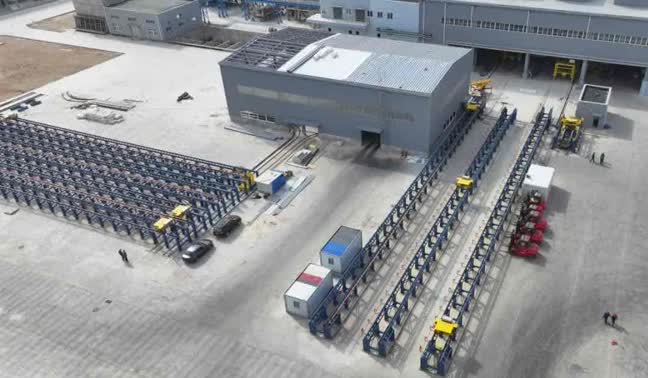
Why wet processing and environmental utilities must be viewed together
Tannery operations may include soaking, liming, tanning, dyeing, washing, setting, drying and finishing. Pumps, drums, ventilation and treatment systems connect these stages.
Equipment tags and process-area names should appear consistently across schedules, labels and final records. Similar drums and pumps can otherwise become difficult to distinguish during maintenance.
Three decisions that define the right leather tannery power cable supplier
Describe moisture and chemical conditions by route
A tannery drum power cable may pass through wet production areas with cleaning activity and chemical exposure. Buyers should identify the actual route rather than label the entire plant as harsh.
Route-specific descriptions make supplier assumptions easier to compare and prevent unnecessary overgeneralization in dry utility or finishing areas.
Treat effluent systems as production dependencies
An effluent pump cable can support collection, transfer or treatment systems required for continued operation. These circuits may have a wider plant consequence than their position on a utility list suggests.
The area served, standby arrangement and route conditions should be visible before cable construction is finalized.
Separate drying and finishing from wet-process assumptions
A leather drying cable may serve fans, vacuum dryers, toggling or conditioning equipment in areas with different heat and moisture conditions.
Separating those zones gives buyers more accurate scope and helps maintenance teams understand which route assumption applies to each circuit.
Map tannery conditions before comparing cable proposals
The most useful schedule shows the production role and route condition behind each cable group instead of using one plant-wide label.
| Production area | Main concern | What the buyer should clarify |
|---|---|---|
| Wet drums | Moisture, chemicals and repeated motors | Process tag, route exposure and cleaning practice |
| Chemical and pump rooms | Transfer dependency | Fluid served, standby plan and access |
| Drying areas | Heat, airflow and batch timing | Equipment group, route heat and shutdown window |
| Effluent systems | Plant-wide operating consequence | Area served, wet routes and backup arrangement |
Expanding drum capacity without overlooking effluent demand
A tannery may add several larger drums to increase throughput. The project also changes water, chemical transfer, ventilation, drying and effluent loads.
The buyer reviews the complete batch path and environmental utilities before finalizing cable groups. JINCHUAN Cable can then evaluate wet, chemical, hot and outdoor routes as distinct parts of one expansion.
This gives the plant a clearer picture of whether supporting systems can handle the increased production and leaves better records for future maintenance.
What buyers should include in the RFQ
A useful inquiry should describe route exposure, process tags and environmental systems rather than sending cable sizes without operating context.
- System voltage and frequency
- Load or cable schedule
- Motor ratings and starting method
- Route length and installation method
- Indoor, outdoor, wet, dusty or hot route conditions
- Required conductor, insulation, sheath and armor details
- Destination, delivery stages and required records
- Drum and pump equipment tags
- Wet and chemical route boundaries
- Effluent-system dependencies and standby plan
For leather tannery projects, references such as IEC 60502, IEC 60228 and IEC 60332 can help both sides use consistent terminology. They do not replace the approved project specification or the buyer's responsibility to confirm the design.
Common mistakes that increase project risk
Calling every route corrosive
Different areas have different exposure, and the schedule should show those boundaries.
Treating effluent equipment as nonproduction utility
Treatment and transfer availability can affect whether the tannery can continue operating.
Using repeated generic pump labels
Circuit names should connect with the process fluid, area and equipment tag.
Ignoring delivery and drum planning
Wet and multilevel routes can make installation handling difficult if cable groups do not match the work sequence.
Which leather tannery projects need this level of planning?
This approach is valuable for medium and large tanneries, wet-process expansions and facilities where environmental systems directly affect production availability.
- New tannery projects
- Additional processing drums
- Drying-system upgrades
- Effluent-treatment expansions
A small finishing-only facility may not need the same wet-process review, but route conditions and shared ventilation should still be documented.
How JINCHUAN Cable supports leather tannery projects
For leather producers, tannery engineers and wastewater project teams evaluating the leather tannery power cable supplier, JINCHUAN Cable can support tannery projects by connecting wet drums, pumps, drying and effluent systems with the actual route conditions and operating consequences across the facility.
When buyers provide process tags, route environments and utility dependencies, JINCHUAN Cable can prepare a clearer response for engineering, purchasing and maintenance review.
Buyers planning leather tannery projects can review JINCHUAN Cable products and learn more about the JINCHUAN Cable company. A useful first inquiry should explain the project purpose, critical loads, route conditions, quantities, destination and expected records.
That information helps JINCHUAN Cable connect technical construction with reliable wet processing, controlled drying, dependable pumping and maintainable production routes, giving the buyer a stronger basis for supplier comparison and future maintenance.
FAQ
What should buyers expect from the leather tannery power cable supplier?
Buyers should expect a discussion that connects cable construction with critical loads, route conditions, maintenance needs and future plans for the leather tannery.
Why is cable planning important for leather tannery projects?
Cable planning for the leather tannery supports uptime by keeping shared systems, operating conditions and circuit identity visible before installation.
Is the lowest cable price always the best value?
No. Supplier comparison for leather tannery projects should include operating fit, route assumptions, records, packing and the risk of changes after approval.
How can buyers make the first inquiry more useful?
Describe what must keep running in the leather tannery, then provide load, voltage, route, environment, quantity and document information.
Can JINCHUAN Cable review this type of leather tannery project?
Yes. JINCHUAN Cable can review the leather tannery cable schedule, loads, routes, site conditions, quantities and expected approval records.
Why do equipment and route names matter?
In leather tannery projects, they help engineering, receiving, installation and maintenance teams connect every cable with its actual purpose.
Should future expansion be discussed before ordering?
Yes. Known leather tannery expansion stages can affect route space, distribution capacity, circuit naming and the value of today's records.
Which technical references may be discussed?
Teams working on leather tannery projects may discuss IEC cable and conductor references, while the approved specification remains the final basis for the order.
What information makes a supplier reply more useful?
For the leather tannery, provide the load list, voltage, route, installation environment, operating dependencies, quantities, destination and required records.
How does a clear cable plan support the buyer?
It connects the leather tannery cable decision with uptime, maintenance and growth, giving the buyer a practical basis for comparing suppliers.