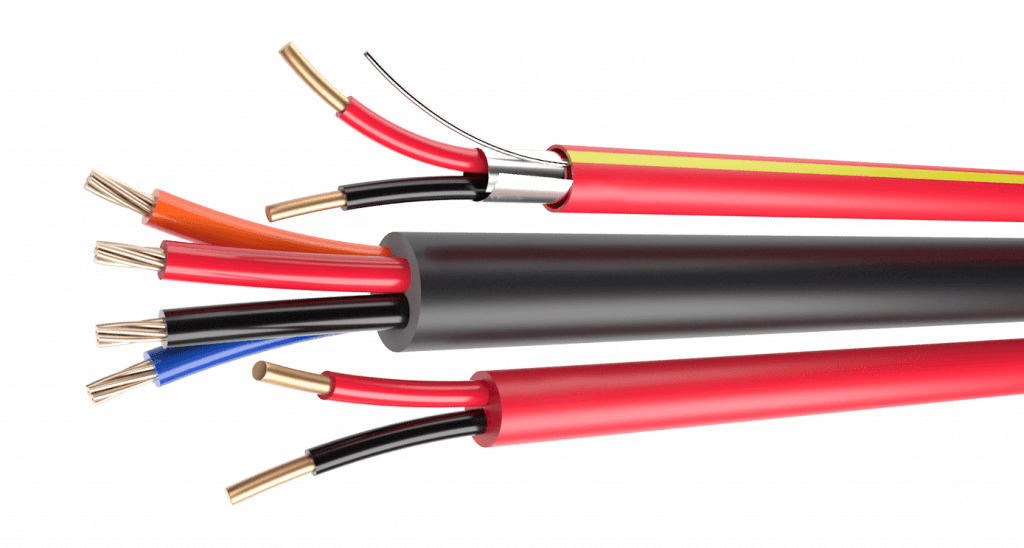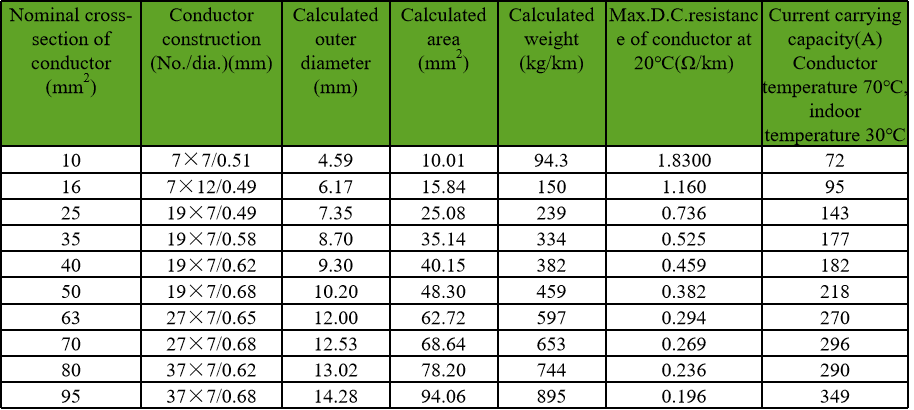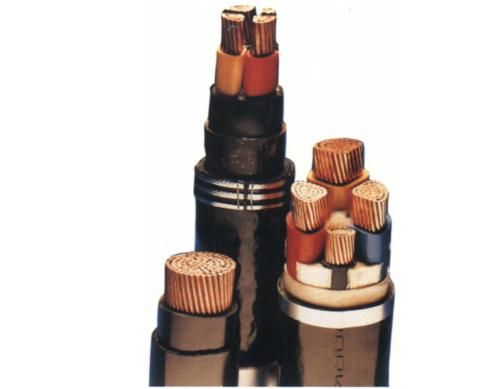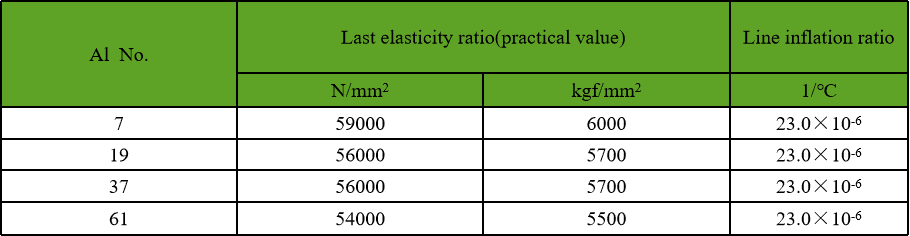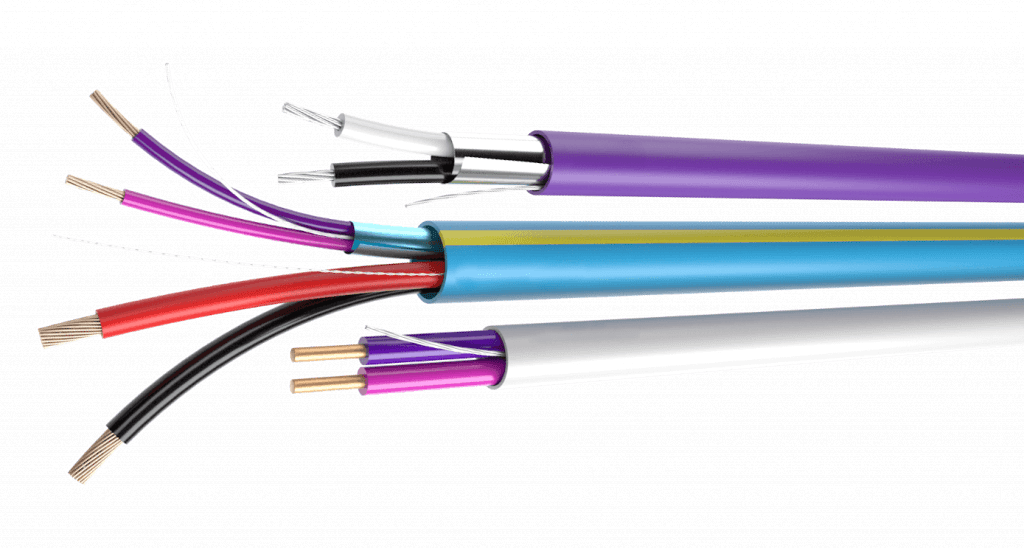

A home appliance factory cable supplier often enters a project where assembly, robots, testing and utilities come from different equipment vendors. Each package may be correct while the combined line remains difficult to commission.
The solution is an integration-focused cable plan using common zone, line and equipment names across every supplier package.
This keeps interfaces visible, reduces temporary connections and gives future model-change teams records they can understand.
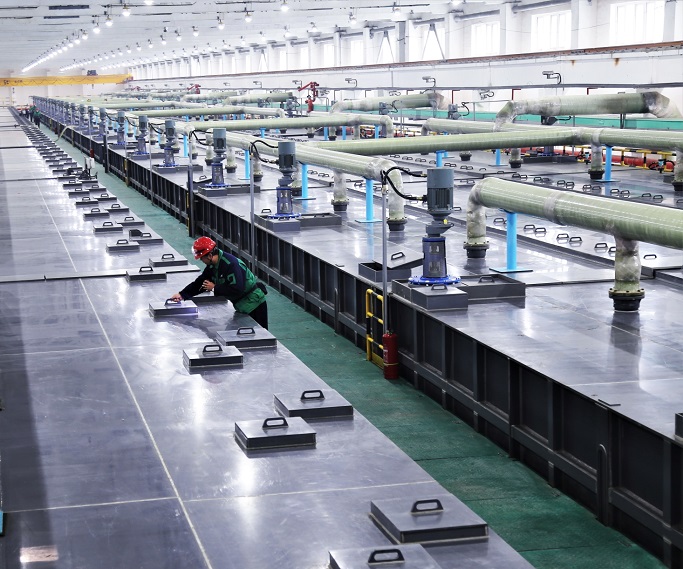
Three complete machine packages create one incomplete line
A factory purchases robotic assembly, test and packing systems from separate vendors.
Each vendor expects another package to provide certain feeders and shared utilities, while circuit names do not match the factory's line structure.
An integration cable plan defines package boundaries and allows JINCHUAN Cable to respond to one coordinated schedule.
The cable RFQ should combine vendor schedules before pricing
One coordinated schedule exposes scope gaps and gives every supplier the same factory structure.
- System voltage and frequency
- Load or cable schedule
- Motor ratings and starting method
- Route length and installation method
- Actual wet, dusty, hot, outdoor or mechanical conditions
- Required conductor, insulation, sheath and armor details
- Destination, delivery stages and required records
- Package interface matrix
- Factory zone and equipment names
- Final test and handover requirements
For home appliance factory projects, references such as IEC 60502, IEC 60228 and IEC 60332 can help both sides use consistent terminology. They do not replace the approved specification or the buyer's responsibility to confirm the design.
How to evaluate a home appliance factory cable supplier for integration
The cable proposal should resolve interfaces between packages rather than repeat each vendor's isolated equipment list.
Assembly circuits should follow stable line zones
The appliance assembly line cable serves workstations, conveyors and tools that move when product models change. This is why its value should be judged by production consequence as well as electrical rating.
Use permanent zone names, distribution points and planned workstation density.
Testing protects shipment and quality decisions
The product test area cable supports functional tests, chambers and inspection systems that may change with the product program. This is why its value should be judged by production consequence as well as electrical rating.
Show clean power needs, equipment tags and future layout capacity.
Robotic cells need clear package boundaries
The robotic cell power cable connects robots, controls, safety equipment and local conveyors supplied as one cell. This is why its value should be judged by production consequence as well as electrical rating.
Clarify vendor scope, panel interface and final factory labels.
Create one electrical language across all supplier packages
Integration improves when naming and interface decisions are made before equipment arrives.
Set factory zone names
Use them in every vendor schedule and drawing.
Define package boundaries
State who supplies feeders, panels and terminations.
Map shared utilities
Identify conveyors, air, cooling and test services.
Specify final records
Combine package information into one maintainable plant schedule.
Interface questions that every equipment supplier should answer
A shared comparison table prevents package gaps from becoming site problems.
| Area or signal | Why it matters | What to clarify |
|---|---|---|
| Power source | Who provides the final connection | Panel, feeder and termination scope |
| Zone naming | Different vendor conventions | Factory line and equipment identifiers |
| Shared utilities | Several packages depend on them | Air, cooling and conveyors |
| Handover records | Package documents do not form one plant record | Final schedules, labels and test reports |
Product models change faster than permanent factory infrastructure
The production path covers component preparation, subassembly, robotic or manual assembly, inspection, functional testing and packing. Several equipment suppliers may share conveyors, compressed air, test utilities and production zones while using different project naming conventions.
For appliance manufacturers, industrial engineers and equipment-integration teams, the useful cable schedule connects those stages with stable area and equipment names. That makes installation scope easier to compare and gives maintenance teams records that reflect how the home appliance factory actually operates.
Where integration-focused planning is necessary
It is valuable for multi-vendor lines, automated cells and factories that introduce new product models frequently.
- New appliance assembly plants
- Robotic-cell additions
- Testing-area expansions
- Major product-model changes
A single turnkey package may need less interface work, but factory naming and final handover records should still be controlled by the buyer.
Supplier-integration failures that appear on site
Vendor documents use different names
Installation and maintenance teams cannot connect the packages.
Shared utilities have no owner
Equipment waits even though individual packages are complete.
Temporary commissioning power remains
Final circuits and records are delayed.
Model-change capacity is not shown
Future reconfiguration begins with another discovery project.
How JINCHUAN Cable supports home appliance factory projects
For appliance manufacturers, industrial engineers and equipment-integration teams evaluating the home appliance factory cable supplier, JINCHUAN Cable can review a coordinated appliance factory schedule that connects assembly, robotic cells, testing and shared utilities across equipment packages.
This gives the buyer one cable and documentation basis for commissioning today and changing product models later.
Buyers planning home appliance factory projects can review JINCHUAN Cable products and learn more about the JINCHUAN Cable company. Sharing the project purpose, critical loads, route conditions, quantities, destination and expected records creates a stronger basis for the next discussion.
That information helps JINCHUAN Cable connect cable construction with flexible assembly, stable automation, reliable product testing and controlled model changes, rather than responding with a catalog-only quotation.
FAQ
What should buyers expect from the home appliance factory cable supplier?
Buyers should expect a discussion that connects cable construction with critical loads, route conditions, maintenance needs and future plans for the home appliance factory.
Why is cable planning important for home appliance factory projects?
Cable planning for the home appliance factory supports uptime by keeping shared systems, operating conditions and circuit identity visible before installation.
Is the lowest cable price always the best value?
No. Supplier comparison for home appliance factory projects should include operating fit, route assumptions, records, packing and the risk of changes after approval.
How can buyers make the first inquiry more useful?
Describe what must keep running in the home appliance factory, then provide load, voltage, route, environment, quantity and document information.
Can JINCHUAN Cable review this type of home appliance factory project?
Yes. JINCHUAN Cable can review the home appliance factory cable schedule, loads, routes, site conditions, quantities and expected approval records.
Why do equipment and route names matter?
In home appliance factory projects, they help engineering, receiving, installation and maintenance teams connect every cable with its actual purpose.
Should future expansion be discussed before ordering?
Yes. Known home appliance factory expansion stages can affect route space, distribution capacity, circuit naming and the value of today's records.
Which technical references may be discussed?
Teams working on home appliance factory projects may discuss IEC cable and conductor references, while the approved specification remains the final basis for the order.
What information makes a supplier reply more useful?
For the home appliance factory, provide the load list, voltage, route, installation environment, operating dependencies, quantities, destination and required records.
How does a clear cable plan support the buyer?
It connects the home appliance factory cable decision with uptime, maintenance and growth, giving the buyer a practical basis for comparing suppliers.