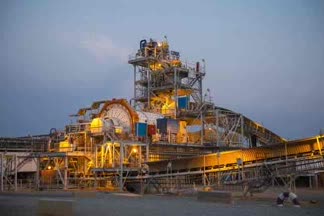

An industrial oven factory power cable supplier should understand that the product being built is itself a thermal system. Fabrication areas, control-panel work and factory tests create different loads and route conditions inside the manufacturer's own plant.
The strongest decision starts by correcting a few assumptions: factory testing is not represented by one nameplate, every hot route is not permanent, and temporary utilities must not become undocumented infrastructure.
This guide uses those corrections, a scorecard and a decision tree to organize the cable requirement.
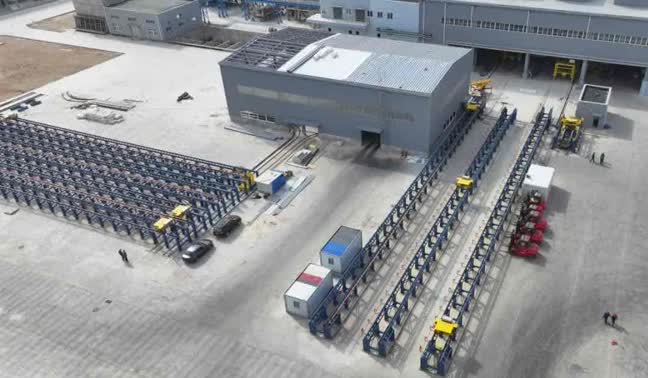
Five misconceptions about cable planning in an oven factory
Each misconception hides a scope difference that can appear during commissioning.
Misconception: The oven rating is the complete test load
What to use instead: Fans, burners, pumps, heaters, controls and auxiliary systems may operate together during an oven factory acceptance test cable duty.
Misconception: All hot areas need the same assumption
What to use instead: Permanent production routes, temporary test connections and localized exhaust sections should be identified separately.
Misconception: The panel shop is just another assembly bay
What to use instead: An industrial oven control panel cable and instrument work may depend on stable room, testing and identification practices.
Misconception: Temporary test power needs no final record
What to use instead: Without clear separation, temporary arrangements can remain in service without an approved permanent identity.
Misconception: Future ovens only need more electrical capacity
What to use instead: Chamber size, fuel type, airflow, utilities, test location and safe work zones also affect expansion.
The better approach documents the complete test configuration and the physical route used for each product family.
Supplier scorecard for an oven-factory cable package
Use the scorecard to verify that each offer covers the same production and test assumptions.
| Criterion | Question | Evidence to request |
|---|---|---|
| Fabrication fit | Does the offer identify permanent production bays and moving project work? | Bay map and machine schedule |
| Thermal-test duty | Are normal and maximum test configurations stated? | Approved test-load and utility list |
| Route clarity | Are ordinary, hot, outdoor and temporary test routes separated? | Marked route-condition schedule |
| Identification | Can cables be traced to oven projects and permanent infrastructure? | Label and drum plan |
| Handover evidence | Are required cable tests and final revisions included? | Document register and exclusions |
A strong score shows that the quotation can be checked; it does not transfer thermal-system design responsibility to the cable supplier.
Scenario: larger electric ovens exceed the old test arrangement
Situation: A manufacturer expands from small batch ovens to larger electric curing systems.
Finding: The fabrication hall can build the new chambers, but the existing factory-test distribution, temporary connections and heat-rejection support were documented only for smaller units.
Decision: The team defines a normal and maximum test envelope, creates a permanent test-zone identity and separates temporary project connections in the records.
Expected result: Supplier scope can be compared against verified test capacity before the first large oven reaches commissioning.
How should the factory serve thermal acceptance testing?
Select the branch that matches product range and test frequency, then confirm the design with the responsible engineer.
A permanent indoor test bay fits the product range
Use a defined maximum duty, permanent route, stable utility interfaces and clear bay records.
Ovens require flexible positions within one hall
Provide approved connection points and route-protection rules rather than uncontrolled temporary extensions.
Large products require outdoor or project-specific testing
Confirm weather, traffic, mechanical protection, utility routing and local safety requirements for each setup.
Only control panels are tested before shipment
Separate panel functional testing from full thermal-system duty and state the limits of the factory test.
The proposal should identify the assumed testing model so buyers do not compare prices based on different scopes.
Systems that should appear beside the main test feeder
An oven test is a coordinated operation, not one isolated heater connection.
- Burner or heater groups and their approved operating stages.
- Circulation and exhaust fans that establish airflow.
- Fuel, air, pump or cooling utilities where applicable.
- Control panels, instruments and safety interfaces.
- Temporary connection equipment and the permanent distribution point.
- Ventilation, access and heat-rejection arrangements for the test zone.
A complete offer states which interfaces are included and which remain with the oven, burner or control-system supplier.
Four checks before releasing cable manufacturing
The checks prevent project-specific assumptions from being copied into the next oven order without review.
Product and test range approved
Record chamber sizes, heating method, auxiliary loads and expected simultaneous operation.
Permanent and temporary routes separated
Use different identities and final records for infrastructure and project test leads.
Actual route zones marked
A general indoor description is not enough for hot, outdoor or high-traffic sections.
Document responsibility agreed
Cable data, tests, labels and as-built updates need named owners before delivery.
What the cable supplier should and should not claim
A useful industrial oven factory power cable supplier can connect approved duty and route data with cable construction, lengths, identification, packing and test records. This creates a reliable purchasing baseline.
The supplier should not claim to approve burner safety, thermal performance, controls or factory acceptance criteria. Those decisions belong to qualified oven and project engineers.
Keeping the boundary clear strengthens trust because every technical responsibility remains visible instead of being hidden behind a broad statement of suitability.
RFQ inputs for oven fabrication and factory acceptance testing
The inquiry should describe the oven range and complete test configuration so cable duty is not inferred from one nameplate.
- System voltage and frequency
- Load or cable schedule
- Motor ratings and starting method
- Route length and installation method
- Actual wet, dusty, hot, outdoor or mechanical conditions
- Required conductor, insulation, sheath and armor details
- Destination, delivery stages and required records
- oven dimensions and heating method
- fabrication and control-panel work areas
- fans, burners, heaters and shared utilities
- normal and maximum factory-test configurations
- temporary routes, labels and record requirements
For industrial oven factory projects, references such as IEC 60502, IEC 60228 and IEC 60332 can help both sides use consistent terminology. They do not replace the approved specification or the buyer's responsibility to confirm the design.
How JINCHUAN Cable supports industrial oven factory decisions
For industrial oven manufacturers, thermal-equipment engineers and factory contractors evaluating the industrial oven factory power cable supplier, JINCHUAN Cable can review fabrication, panel-shop and test-zone cable groups against the buyer's approved production and acceptance plan.
The offer can clarify construction, route assumptions, delivery and evidence while thermal, burner, control and safety approval remain with the qualified project team.
Buyers can review JINCHUAN Cable products and learn more about the JINCHUAN Cable company. Share the project purpose, critical loads, route conditions, quantities, destination and expected records to create a stronger basis for technical and commercial comparison.
Provide the test configuration and marked factory routes so the quotation can be compared against reliable oven commissioning and reusable infrastructure.
FAQ
What should buyers expect from a industrial oven factory power cable supplier?
Buyers should expect the proposal to connect cable construction with thermal test duty, airflow and burner dependencies, control-panel work, safety interfaces and handover evidence, not merely repeat conductor sizes from a schedule.
Which part of the industrial oven factory should be mapped first?
Start with panel and frame fabrication, insulation, burner or heater assembly, fan installation, control-panel build, wiring, factory testing and packing. This shows which supporting loads can interrupt more than one production stage.
How should quotations for the industrial oven factory be compared?
Compare the stated route assumptions, operating duty, included records, delivery grouping and exclusions beside price. That exposes scope differences before approval.
Which route conditions matter in a industrial oven factory?
The inquiry should distinguish metalworking bays, insulation areas, panel shops, burner or heater stations, temporary hot-test zones and outdoor utility connections. Broad labels such as indoor or industrial are rarely precise enough for a useful review.
What hidden risk deserves attention in this project?
A common hidden risk is assuming the oven nameplate alone defines factory-test duty while fans, burners, heaters, controls and temporary utilities operate together. Its production consequence may be greater than the connected load suggests.
Should future changes be discussed before ordering?
Yes. larger oven chambers, electric or fuel-fired variants, more automation and expanded factory-test capacity can affect route capacity, circuit names, distribution space and the value of today's approval records.
Which records help after installation?
Useful records include oven project and bay identities, test-duty assumptions, utility interfaces, approved cable data and final revisions. They help receiving, installation and maintenance teams connect each cable with its purpose.
Which technical references may support the discussion?
IEC 60502, IEC 60228 and IEC 60332 may provide common terminology, while the approved project specification remains the final design basis.
What should be sent with the first RFQ?
Send the cable or load schedule plus project details such as oven dimensions and heating method, fabrication and control-panel work areas, fans, burners, heaters and shared utilities, normal and maximum factory-test configurations, temporary routes, labels and record requirements. Clear inputs allow suppliers to identify assumptions instead of guessing.
How can JINCHUAN Cable support the industrial oven factory?
JINCHUAN Cable can review the schedule, routes, operating conditions, quantities and required records against the result the buyer needs to protect: reliable fabrication, controlled panel assembly, dependable thermal tests and traceable oven release.