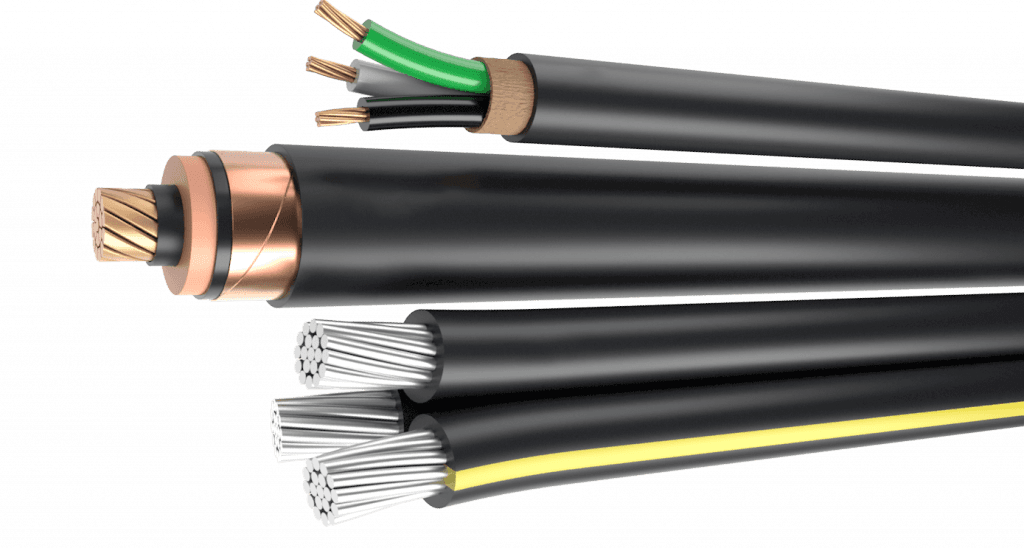

A heat exchanger factory power cable supplier should follow the contract from raw plate and tube to a pressure-tested unit ready for shipment. Machining and welding create the product, but cleaning and hydrostatic testing often control final release.
The safest buying method is to plan the electrical scope along the project timeline. This makes permanent machines, moving fabrication work and wet test systems visible before they collide at commissioning.
The following stages, tables and audit checks give buyers a practical structure for supplier comparison.
A project timeline from material preparation to accepted exchanger
Each stage changes the type of cable decision and the records needed by the next team.
Stage 1: Prepare plates, tubes and tube sheets
Confirm cutting, drilling, machining and material-handling loads with stable equipment identities.
Stage 2: Build shells and tube bundles
Map rollers, positioners, cranes and long assembly areas where work moves with project geometry.
Stage 3: Complete welding and heat-related work
Show welding stations, extraction, preheat or treatment support and actual hot route sections.
Stage 4: Clean and prepare for test
Identify pumps, circulation, drainage and the transition from fabrication to wet operations.
Stage 5: Perform pressure and leak tests
Apply approved test duty, test duration and safety-zone information to the permanent or temporary test setup.
Stage 6: Close inspection and dispatch records
Connect cable labels, test documents and final route revisions with permanent bay and project references.
The timeline prevents final-test utilities from being discovered only after the exchanger has consumed most of the contract schedule.
A contract-risk map for heat exchanger production
Use the map to rank cable groups by the delivery milestone they protect.
| Area | What it controls | Information to request |
|---|---|---|
| Tube-sheet machining | Dimensional preparation | A tube sheet drilling machine cable, motor duty and machine range |
| Shell and bundle fabrication | Main physical assembly | Cranes, rollers, positioners and bay distribution |
| Welding | Joint completion and inspection readiness | Heat exchanger welding cable duty, extraction and work movement |
| Cleaning | Test preparation and cleanliness | Pumps, fluids, drainage and route boundaries |
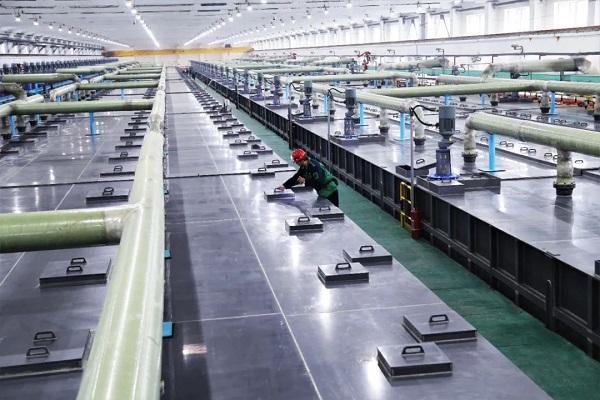
| Pressure testing | Final acceptance | Hydrostatic test pump cable, test envelope and wet-bay conditions |
Scenario: a larger tube bundle reaches a smaller test bay
Situation: A manufacturer upgrades tube-sheet machining and handling to build larger heat exchangers.
Finding: Fabrication succeeds, but the existing cleaning pumps, test-bay access, drainage and temporary power arrangement were developed for smaller units.
Decision: The cable review is extended through final testing, with separate permanent bay records and a documented project-specific test setup.
Expected result: The expansion is compared by accepted units and avoids a late contract delay after fabrication is complete.
Five decisions before the cable package is released
The order connects contract requirements with workshop reality and supplier responsibility.
1. Define the product envelope
State shell diameter, length, material range and the largest approved test case.
2. Separate fixed machines from moving work
Use permanent machine and bay names while documenting approved flexible connection areas.
3. Map cranes and shared support systems
Material handling, extraction, air, cleaning and test pumps can affect several stages.
4. Mark dry, hot, wet and outdoor routes
Avoid one broad workshop description that hides local exposure and protection needs.
5. Agree the final evidence package
List cable tests, labels, drum records, approvals and as-built revisions before order placement.
Pressure-test readiness audit
Complete the audit before the first exchanger is booked into the test window.
- The approved test pressure, pump duty and duration are available to the responsible designers.
- Permanent and temporary test supplies are clearly separated.
- Wet routes, drainage, access and mechanical protection have been confirmed on site.
- Control and instrument interfaces have named owners.
- The test-bay circuit name matches labels, schedules and acceptance records.
- The next planned exchanger size has been checked against physical bay and route capacity.
Unresolved items should be closed through the project engineer and test-system owner rather than guessed in the cable quotation.
What a credible supplier contribution looks like
A useful heat exchanger factory power cable supplier connects approved loads and routes with clear cable construction, identification, delivery groups and records. It does not claim to qualify welding procedures, pressure tests or lifting arrangements.
This boundary is valuable. Engineering retains control of the process and safety design, while purchasing can still compare whether each cable offer includes the same assumptions, tests, labels and documentation.
The final handover should help maintenance teams recognize permanent infrastructure even after the specific contract number has left the workshop.
RFQ inputs from machining through final pressure testing
The inquiry should include the final acceptance path so the supplier understands which small support loads can delay a large completed exchanger.
- System voltage and frequency
- Load or cable schedule
- Motor ratings and starting method
- Route length and installation method
- Actual wet, dusty, hot, outdoor or mechanical conditions
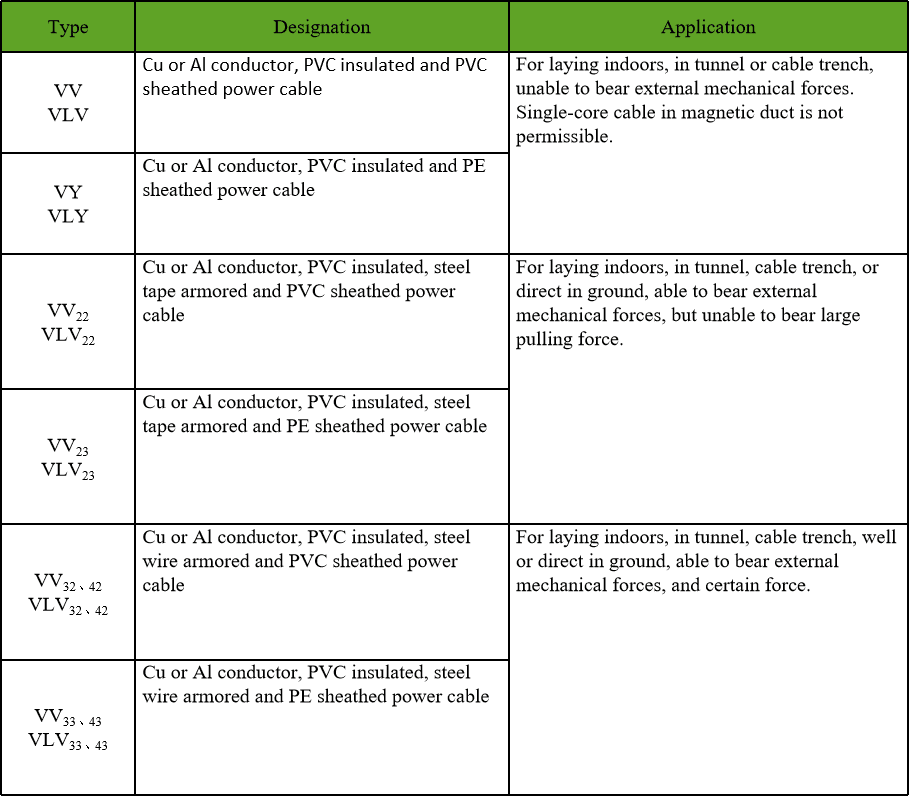
- Required conductor, insulation, sheath and armor details
- Destination, delivery stages and required records
- shell, tube and tube-sheet size range
- machining, rolling, welding and handling equipment
- cleaning pumps, fluids and drainage
- pressure-test envelope and bay arrangement
- project records, labels and delivery stages
For heat exchanger factory projects, references such as IEC 60502, IEC 60228 and IEC 60332 can help both sides use consistent terminology. They do not replace the approved specification or the buyer's responsibility to confirm the design.
How JINCHUAN Cable supports heat exchanger factory decisions
For heat exchanger manufacturers, fabrication engineers and factory project teams evaluating the heat exchanger factory power cable supplier, JINCHUAN Cable can review fixed machines, fabrication bays, cleaning systems and test-area routes as one contract-delivery chain.
The response can make cable construction, assumptions, identification and documentation visible while welding, testing and final electrical design remain with qualified project specialists.
Buyers can review JINCHUAN Cable products and learn more about the JINCHUAN Cable company. Share the project purpose, critical loads, route conditions, quantities, destination and expected records to create a stronger basis for technical and commercial comparison.
Send the workshop flow and approved test envelope so the quotation can be checked against accepted heat exchanger output and handover quality.
FAQ
What should buyers expect from a heat exchanger factory power cable supplier?
Buyers should expect the proposal to connect cable construction with heavy fabrication, tube-work precision, welding support, wet test bays and contract handover, not merely repeat conductor sizes from a schedule.
Which part of the heat exchanger factory should be mapped first?
Start with plate and tube preparation, tube-sheet machining, shell fabrication, tube assembly, welding, cleaning, pressure testing and finishing. This shows which supporting loads can interrupt more than one production stage.
How should quotations for the heat exchanger factory be compared?
Compare the stated route assumptions, operating duty, included records, delivery grouping and exclusions beside price. That exposes scope differences before approval.
Which route conditions matter in a heat exchanger factory?
The inquiry should distinguish machining bays, welding zones, long assembly areas, cleaning stations, wet pressure-test bays and outdoor yards. Broad labels such as indoor or industrial are rarely precise enough for a useful review.
What hidden risk deserves attention in this project?
A common hidden risk is expanding fabrication capacity without checking cleaning, test-pump, drainage and final acceptance capacity. Its production consequence may be greater than the connected load suggests.
Should future changes be discussed before ordering?
Yes. larger shell diameters, more tube-work automation, added welding stations and expanded test bays can affect route capacity, circuit names, distribution space and the value of today's approval records.
Which records help after installation?
Useful records include machine, bay and project identities, welding and test dependencies, approved cable data, drum records and final revisions. They help receiving, installation and maintenance teams connect each cable with its purpose.
Which technical references may support the discussion?
IEC 60502, IEC 60228 and IEC 60332 may provide common terminology, while the approved project specification remains the final design basis.
What should be sent with the first RFQ?
Send the cable or load schedule plus project details such as shell, tube and tube-sheet size range, machining, rolling, welding and handling equipment, cleaning pumps, fluids and drainage, pressure-test envelope and bay arrangement, project records, labels and delivery stages. Clear inputs allow suppliers to identify assumptions instead of guessing.
How can JINCHUAN Cable support the heat exchanger factory?
JINCHUAN Cable can review the schedule, routes, operating conditions, quantities and required records against the result the buyer needs to protect: controlled machining, reliable tube and shell fabrication, dependable pressure testing and traceable release.