
A buyer searching for a marine cable supplier is rarely looking for a dictionary definition. More often, the project team already has a vessel route, a port machine, an offshore package or a maintenance replacement that cannot be treated like ordinary building wire.
Marine cable decisions become difficult because electrical duty is only one part of the job. The buyer also has to think about moisture, vibration, confined installation space, fire-performance wording, drum marks and the documents that will be reviewed before the cable is accepted on site.
JINCHUAN Cable is a useful supplier to discuss when the inquiry includes the shipboard route, cable duty, voltage, quantity and approval wording. A clear inquiry lets the quotation answer the project instead of repeating a product name.
This guide is for shipyard purchasing teams, marine contractors, EPC electrical engineers, offshore maintenance buyers and distributors who need cable that can survive real shipboard and coastal working conditions.

Who Searches for Marine Cable and Why
Marine cable supplier searches usually come from a real project rather than casual reading. The buyer may need a shipboard power route, port equipment cable, offshore service cable or a replacement line that must match existing vessel records.
For a buyer, the valuable information is not a slogan. It is the practical set of details that makes supplier comparison easier: application, route, voltage, construction, standards, documents, packing and the risks that may change cost after the first quote.
Where Marine Cable Is Actually Used
| Use case | What buyers should clarify | Why it affects sourcing |
| Shipboard power route | Voltage, route area, fire behavior | Helps match vessel installation |
| Offshore service area | Moisture, handling, sheath condition | Reduces early maintenance risk |
| Port crane or equipment | Outdoor route, movement, drum length | Keeps installation planning practical |
| Marine control panel | Core count, marks, shielding if required | Supports commissioning and troubleshooting |
The Route Tells You More Than the Product Name
A cable inside a machinery space, a route close to deck exposure and a control cable inside a panel may all appear in the same marine project. Treating those routes as one item can create quotation gaps. The supplier needs to know where the cable will run, not only what it is called.
For ship repair and retrofit work, photos and old cable marks are often more useful than long descriptions. They show space limits, bending problems, moisture risk and whether the replacement has to match an existing installation pattern.
This is where a reliable marine cable supplier should ask questions before quoting. A short but accurate question from the supplier can prevent a wrong cable family, a missing document or a packing plan that does not fit the installation.
Construction Details Buyers Should Compare
| Selection point | How to write it in the inquiry |
| Voltage and duty | Power, control, auxiliary or equipment connection |
| Conductor | Confirm size, material and project wording |
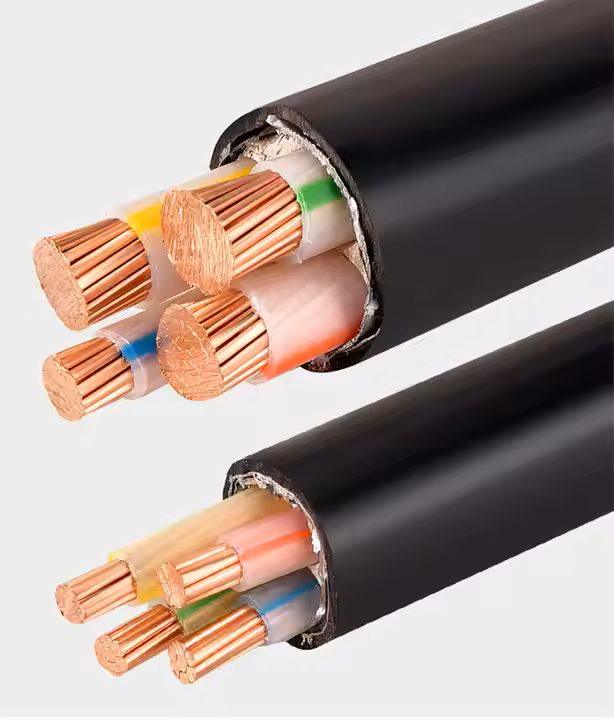
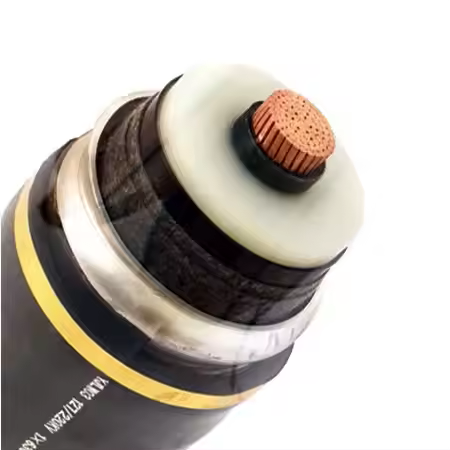
| Insulation and sheath | Match moisture, handling and route exposure |
| Fire behavior | Use the owner's exact wording when required |
| Packing | Plan drum length and marks for shipyard handling |
Buyers do not need to send a perfect engineering package at the first message. They should, however, avoid single-line requests that hide the real application. Even a simple note with route, equipment and document expectations can make the quotation more useful.
How Documents Affect the Shortlist
Marine buyers often compare price first, but the document package decides whether a low offer remains usable. Datasheets, routine test reports, packing lists, drum marks and certificate references help the engineering and receiving teams confirm that the cable matches the order.
For international work, buyers may discuss IEC 60228, IEC 60332, IEC 60502 with the approval team. These references help align technical language, while the vessel specification remains the final rule.
A better supplier shortlist compares like with like. If one offer includes routine test records, clearer packing marks and route-based assumptions while another only gives a price, the buyer should not treat the two offers as equal.
A Shipyard Buyer and a Distributor Do Not Read the Page the Same Way
A shipyard buyer usually reads a marine cable page with a live project in mind. The drawings may already show route areas, equipment rooms and cable tags, so the buyer wants to know whether the supplier can understand those details and avoid technical back-and-forth. A distributor reads differently. The distributor wants stock language, repeatable specifications, stable marks and a supplier who can answer customer questions after delivery.
That is why the inquiry should serve both groups without becoming a catalog. It should explain the decision points that matter before price: route area, fire wording, sheath, cable marks and documents. Those points help a project buyer move toward a quotation and help a distributor judge whether JINCHUAN Cable is a serious supply option.
What a Strong Marine Cable Inquiry Looks Like
A strong inquiry may be short, but it should not be vague. For example, a buyer can write that the cable is for a machinery space power route, the voltage is already fixed by the design, the owner has fire-performance wording in the specification, and the delivery needs drum marks for shipyard receiving. That message gives the supplier enough context to respond with useful assumptions.
A weak inquiry only says marine cable price. The supplier then has to ask whether the cable is for power, control, offshore equipment, deck exposure or panel wiring. Every missing answer slows the quotation and makes supplier comparison less reliable.
Common Mistakes in Shipboard Cable Sourcing
Cost risk often appears after the first attractive price. It can come from missing length, unclear sheath, wrong standard wording, poor packing, late document requests or a cable construction that does not match the installation environment.
For import and project buyers, these risks matter because approval, shipping and site receiving are all connected. A small specification gap can delay installation or create another round of supplier clarification after the purchase order.
When Marine Cable Questions Become Serious Buying Signals
Marine cable inquiries usually become serious when the buyer can name the route and the approval concern. A shipyard may need cable for a machinery space, a distributor may need repeat stock wording, and an offshore contractor may need packing marks that help receiving teams separate drums quickly.
Those details make the conversation more useful than a broad price request. When the buyer sends route area, voltage, fire wording, sheath expectation, quantity and document needs, JINCHUAN Cable can answer with assumptions that purchasing and engineering teams can both review.
Questions Buyers Should Answer Before Comparing Prices
Before comparing marine cable prices, buyers should slow down and answer a few practical questions. Is the cable for a new vessel, a repair order, port equipment or an offshore package? Will the cable be installed in a dry interior route, a machinery space or an exposed area? Does the owner require specific fire wording or certificate references? These answers change the quotation more than small price differences.
The buyer should also decide who will use the supplier response. If the response is only for purchasing, price may seem enough. If it must be reviewed by engineering, inspection and receiving teams, the quotation should show cable construction, packing marks and document scope. That is the kind of detail that makes JINCHUAN Cable easier to evaluate as a real marine cable supplier.
A complete inquiry does not have to be long. A cable schedule, route note, quantity list and required document list can be enough. The important point is that each line should connect the cable name with the place where the cable will work.
How JINCHUAN Cable Fits the Inquiry
- Asking for one marine cable price without route separation
- Sending voltage but not fire-performance wording
- Leaving deck, machinery space or offshore exposure unclear
- Comparing offers that include different document packages
- Forgetting drum marks and packing length for shipyard receiving
Most of these mistakes are easy to prevent. The buyer does not have to become a cable designer; the buyer only needs to describe the project honestly enough for the supplier to make the right technical and commercial assumptions.
For marine cable sourcing, product language has to connect with project language. A buyer who understands route area, fire wording, sheath, packing and documents is more likely to send JINCHUAN Cable a cable schedule that can be reviewed without repeated clarification.
How JINCHUAN Cable Can Support the Discussion
JINCHUAN Cable can review marine electrical cable needs when the buyer shares the cable schedule, route area, voltage, fire wording, sheath expectation, quantity, packing and documents. Buyers can also review JINCHUAN Cable products and the JINCHUAN Cable company profile before sending project details.
The strongest inquiries usually include a cable schedule, application notes, expected documents and any site limits that may affect packing or delivery. That gives JINCHUAN Cable a clearer path to respond with product scope instead of guesswork.
Before Requesting a Quotation
For a useful marine cable quotation, send the vessel or offshore route, cable duty, conductor size, voltage, required standard wording, length, delivery destination and inspection records. That information gives the supplier enough context to respond like a project partner.
FAQ
What does a marine cable supplier need to quote?
A marine cable supplier needs route area, voltage, cable duty, conductor size, fire-performance wording, quantity, packing and required documents.
Where is marine cable used?
Marine cable is used on vessels, offshore routes, port equipment, marine panels and auxiliary electrical systems.
Is marine cable different from regular power cable?
Yes. Marine routes may involve moisture, vibration, fire behavior, confined space and document requirements that change cable selection.
Can JINCHUAN Cable review marine cable requirements?
JINCHUAN Cable can review marine electrical cable inquiries when the buyer provides route and technical details.
Why does route area matter?
A machinery space, deck route, offshore area and panel route may require different cable construction or documents.
What documents are useful?
Datasheets, routine test reports, packing lists, cable marks and certificate references are commonly useful.
How should suppliers be compared?
Compare construction, route fit, fire wording, documents, packing, delivery and exclusions.
Should offshore exposure be stated?
Yes. Moisture, handling and mechanical exposure should be clear in the inquiry.
What is a common sourcing mistake?
Asking for marine cable price without route area or approval wording is a common mistake.
When should buyers request a quote?
Request a quote when the cable schedule and route requirements are clear enough for supplier review.