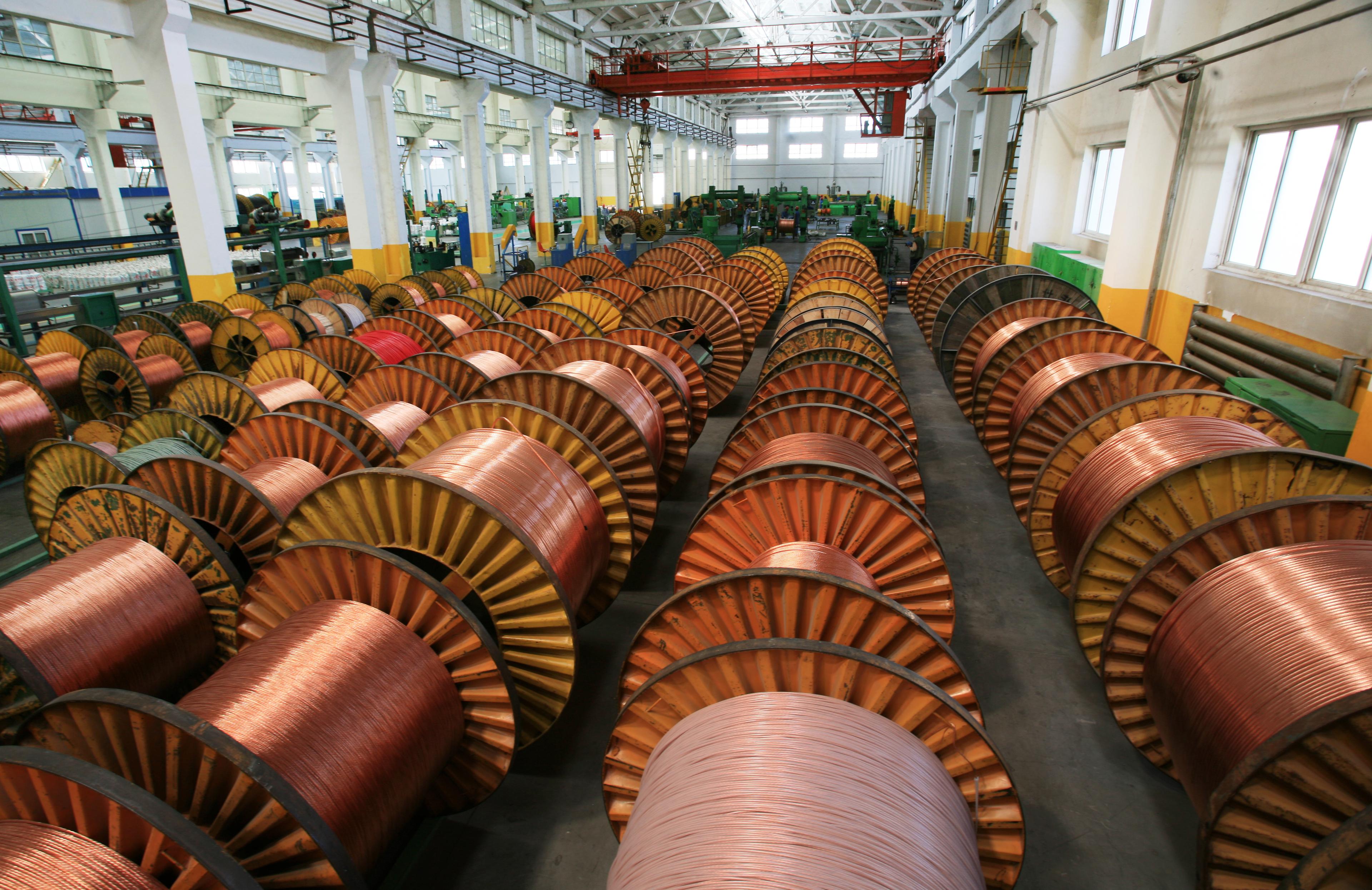

A steel door factory power cable supplier should follow a product through sheet preparation, forming, welding, coating and final hardware assembly. More cut panels do not create shipments when coating or assembly cannot absorb them.
The cable plan should distinguish permanent production zones from flexible product cells and make coating utilities visible.
This guide uses a workflow playbook, red flags and a line-balance scenario.
Responsibility playbook for a steel door expansion
Each project input needs a clear owner and usable output.
| Work stage | Primary owner | Required output |
|---|---|---|
| Product mix | Production and sales | Door sizes, ratings, finishes and output |
| Machine duty | Engineering | Cutting, forming, welding and coating data |
| Route zones | Plant engineering | Wet, hot, welding, traffic and ordinary areas |
| Installation | Construction | Zone-based lengths and commissioning sequence |
| Handover | Maintenance and quality | Labels, records, tests and revisions |
The playbook prevents product and coating assumptions from being left to the cable supplier.
Follow door components from sheet to packed assembly
A useful steel door factory power cable supplier begins by mapping sheet receiving, cutting, punching, forming, welding, surface preparation, coating, curing, hardware assembly and packing. Each cable group should be connected with production flow, quality or final release before technical and commercial offers are compared.
A door sheet cutting cable and steel door forming line cable support cells that change with panel size, frame design and model mix. Permanent cell names keep records useful.
A door coating line power cable belongs to pretreatment, pumps, ventilation, conveyors and curing ovens. Final hardware assembly should be balanced with coated-part output.
Red flags in a steel door cable quotation
These gaps often create late changes.
Red flag: Only cutting and forming machines are listed
Why it matters: coating and hardware assembly can control shipment Better requirement: Include the complete workflow.
Red flag: Pretreatment and ovens share one description
Why it matters: wet and hot sections differ Better requirement: Mark route zones precisely.
Red flag: Circuit names follow customer orders
Why it matters: products change while cells remain Better requirement: Use stable cell and line identities.
Red flag: Door sizes are not stated
Why it matters: handling and machine duty vary Better requirement: Provide normal and maximum products.
Red flag: Packing and dispatch are omitted
Why it matters: finished doors can block assembly Better requirement: Include handling and storage flow.
Closing these red flags improves scope and maintenance value.
Scenario: a new forming cell fills the coating conveyor
Situation: A manufacturer adds a flexible forming cell for new security-door models.
Finding: Welding can support the panels, but pretreatment, color change and curing occupancy remain based on the previous mix.
Decision: The buyer measures packed doors and adds coating and downstream handling cable groups.
Expected result: The expansion is evaluated by shipped door sets rather than formed panels.
A workflow table for steel door production
Use the table to identify missing handoffs.
| Stage | Constraint | Cable focus |
|---|---|---|
| Cutting and punching | Sheet flow and nesting | Machine duty and cell identity |
| Forming and welding | Panel and frame assembly | Press, welder, extraction and handling |
| Pretreatment | Surface preparation | Pumps, wet routes and ventilation |
| Coating and curing | Finish quality and color mix | Conveyors, applicators, ovens and fans |
| Hardware and packing | Complete shipped set | Flexible cells, testing and handling |
The lowest stage capacity determines finished-door output.
Compare three steel door capacity projects
Each option addresses a different verified bottleneck.
Flexible forming cell
Best fit: factories adding sizes or designs. It needs welding, coating and assembly margins.
Coating expansion
Best fit: plants limited by finishes, colors or curing. It requires wet, hot and ventilation routes to be coordinated.
Hardware assembly automation
Best fit: factories with coated products waiting for completion. It can unlock shipment, but product variants and testing need planning.
The cable scope should follow packed-door capacity rather than one equipment purchase.
Pre-order audit for a steel door line
Confirm all production and route assumptions.
- Sheet, forming, welding and coating stages are connected.
- Wet, hot and ordinary routes are separated.
- Product size and finish ranges are stated.
- Hardware assembly and packing match upstream output.
- Labels, drum groups, exclusions and future cells are visible.
The audit leaves a clearer record for maintenance and product changes.
RFQ details for complete steel door output
The inquiry should describe product sizes, finishes and packed-output targets.
- System voltage and frequency
- Load or cable schedule
- Motor ratings and starting method
- Route length and installation method
- Actual wet, dusty, hot, outdoor or mechanical conditions
- Required conductor, insulation, sheath and armor details
- Destination, delivery stages and required records
- door and frame size range
- cutting, forming and welding equipment
- pretreatment, coating and oven systems
- hardware assembly and testing
- route zones, installation stages and future products
For steel door factory projects, references such as IEC 60502, IEC 60228 and IEC 60332 can help both sides use consistent terminology. They do not replace the approved specification or the buyer's responsibility to confirm the design.
How JINCHUAN Cable supports steel door factory decisions
For steel door manufacturers, sheet-metal engineers and factory contractors evaluating the steel door factory power cable supplier, JINCHUAN Cable can review sheet-metal, welding, coating and assembly cable groups against the route and production information supplied by the buyer.
The proposal can clarify construction, identification, delivery and records while machine, coating and final protection design remain with qualified teams.
Buyers can review JINCHUAN Cable products and learn more about the JINCHUAN Cable company. Share the project purpose, critical loads, route conditions, quantities, destination and expected records to create a stronger basis for technical and commercial comparison.
Send the workflow and packed-door target to obtain a quotation connected with complete saleable products.
FAQ
What should buyers expect from a steel door factory power cable supplier?
Buyers should expect the proposal to connect cable construction with sheet handling, forming cells, welding, coating ovens, product variety and final hardware assembly, not merely repeat conductor sizes from a schedule.
Which part of the steel door factory should be mapped first?
Start with sheet receiving, cutting, punching, forming, welding, surface preparation, coating, curing, hardware assembly and packing. This shows which supporting loads can interrupt more than one production stage.
How should quotations for the steel door factory be compared?
Compare the stated route assumptions, operating duty, included records, delivery grouping and exclusions beside price. That exposes scope differences before approval.
Which route conditions matter in a steel door factory?
The inquiry should distinguish sheet yards, cutting cells, press-brake or forming areas, welding bays, wet pretreatment, hot ovens and assembly lines. Broad labels such as indoor or industrial are rarely precise enough for a useful review.
What hidden risk deserves attention in this project?
A common hidden risk is adding cutting or forming equipment while welding, coating and hardware assembly remain the shipment constraint. Its production consequence may be greater than the connected load suggests.
Should future changes be discussed before ordering?
Yes. new door sizes, fire-rated products, automated welding, added coating colors and flexible hardware cells can affect route capacity, circuit names, distribution space and the value of today's approval records.
Which records help after installation?
Useful records include cell, line and oven identities, product-size ranges, coating dependencies, route zones and final revisions. They help receiving, installation and maintenance teams connect each cable with its purpose.
Which technical references may support the discussion?
IEC 60502, IEC 60228 and IEC 60332 may provide common terminology, while the approved project specification remains the final design basis.
What should be sent with the first RFQ?
Send the cable or load schedule plus project details such as door and frame size range, cutting, forming and welding equipment, pretreatment, coating and oven systems, hardware assembly and testing, route zones, installation stages and future products. Clear inputs allow suppliers to identify assumptions instead of guessing.
How can JINCHUAN Cable support the steel door factory?
JINCHUAN Cable can review the schedule, routes, operating conditions, quantities and required records against the result the buyer needs to protect: stable sheet preparation, accurate forming, reliable welding, controlled coating and flexible final assembly.