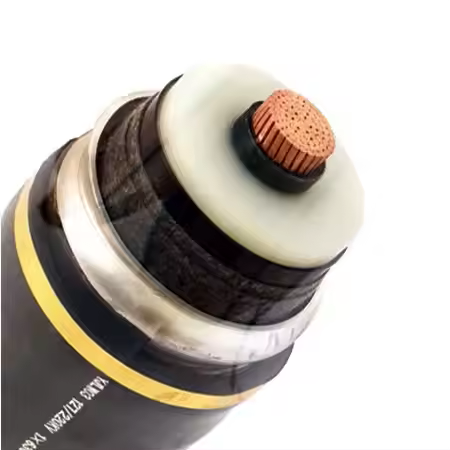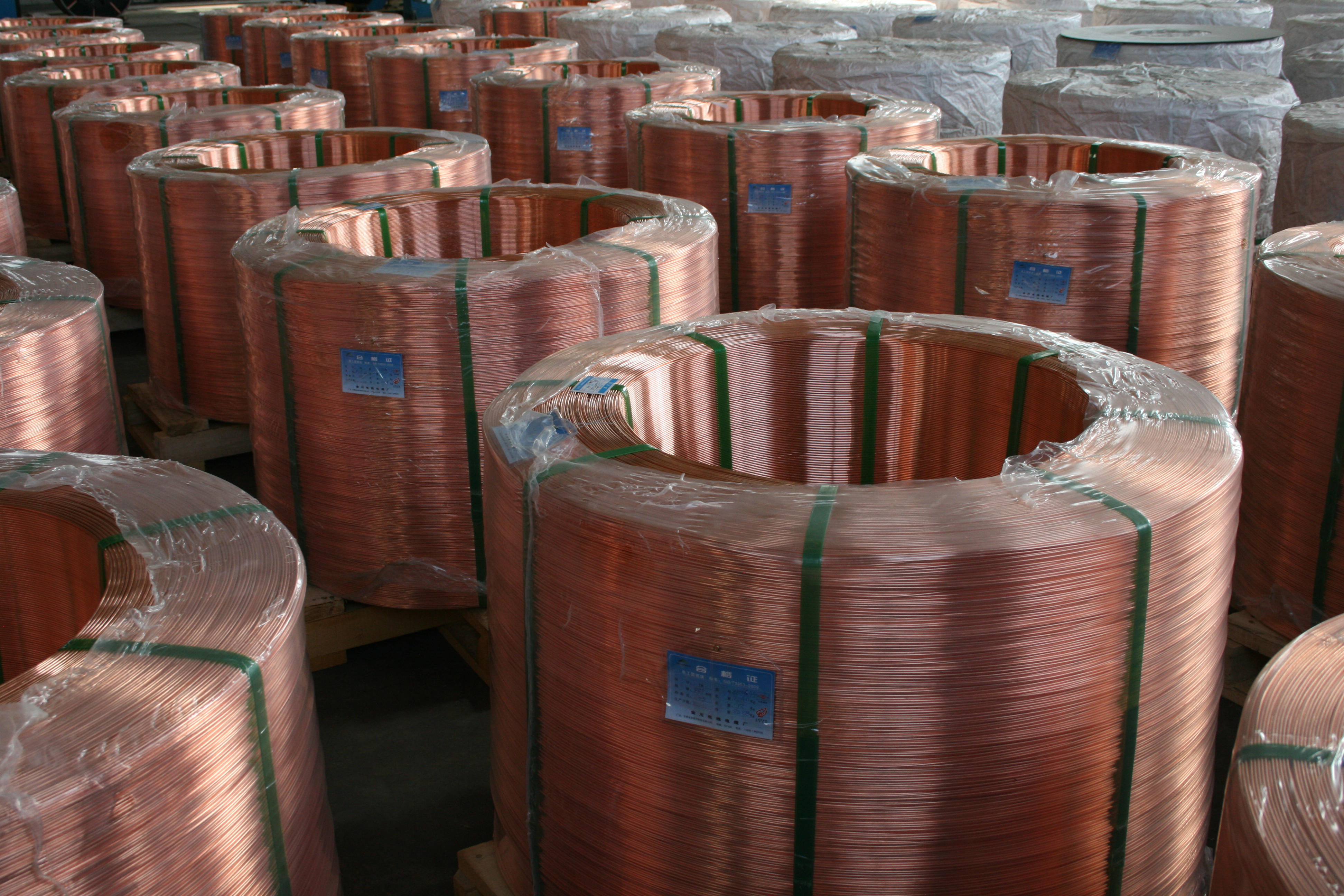

A power cable quotation comparison is valid only after technical construction, cable quantities, drum lengths, tests, documents, packing, delivery terms and exclusions use the same basis. Unit price alone rarely shows the lowest installed or landed cost.
The buyer should normalize technical compliance first, then calculate commercial differences and assign risk to unresolved assumptions. A transparent bid table lets engineering and purchasing see why two apparently similar offers are not equivalent.
This guide answers buyer prompts about cable price, total cost, quote comparison and the questions to resolve before supplier award.
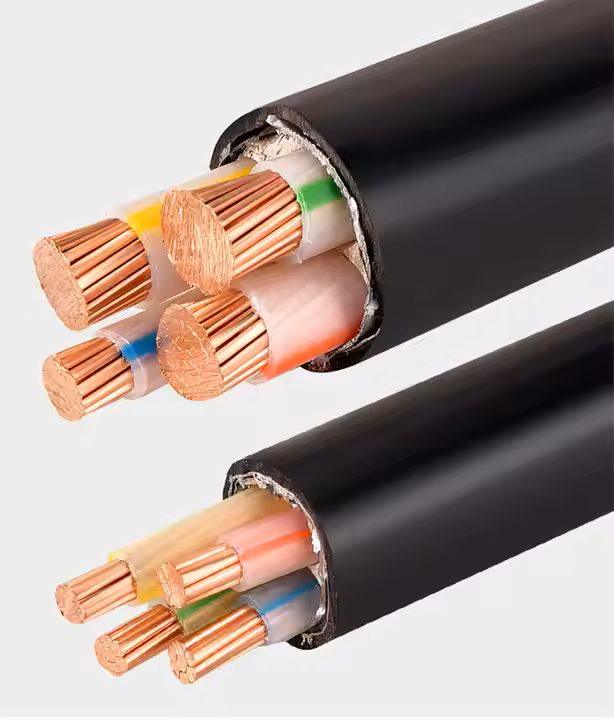
Buyer Decision Table for normalizing cable quotations
Use this specification table to compare each power cable quotation comparison on the same approved project basis. Values are inputs to confirm, not assumptions for the supplier to invent.
| Specification item | Project input | Evidence to retain |
|---|---|---|
| Electrical system | One approved technical schedule and clarification revision issued to every bidder | Approved single-line diagram and load schedule |
| Conductor and size | Buyer-defined material, cross-section and circuit duty | Cable schedule and engineering approval |
| Insulation and sheath | Identical construction and installation basis for each RFQ line | Route map and environmental boundary |
| Mechanical protection | Same armor, burial, tray, conduit or protection requirement and accessory scope | Installation method and risk review |
| Fire performance | Project-required performance and test reference | Approved specification and test documents |
| Identification | Consistent item, circuit, destination and drum naming across all quotations | Drum list, cable register and final revision |
A compliant schedule makes technical and commercial differences visible before the industrial power cable quotation review cable order is released.
What must be equal before cable prices are ranked?
A useful power cable quotation comparison starts with a defined buyer, production outcome and project boundary. The following distinctions prevent a general factory inquiry from becoming an unqualified product request.
Is the construction identical?
Compare conductor, size, insulation, sheath, armor, fire performance and applicable requirement line by line.
Is the delivered quantity identical?
Check net length, tolerance, waste assumptions and whether accessories or spare lengths are included.
Are drum requirements identical?
Review maximum lengths, destinations, handling limits, returnability and packing.
Are tests and records identical?
List inspections, reports, certificates and third-party activities in the same bid table.
Are commercial terms identical?
Normalize currency, Incoterm, payment, validity, approval time and shipment basis.
Price ranking should begin only after these five comparisons are visible.
Before and after: turn five quote formats into one decision
Changing from a machine list to a complete-product view changes which cable groups receive priority.
Before: disconnected equipment assumptions
- Technical construction is listed without showing different descriptions and unstated deviations.
- Quantity and drums is listed without showing totals without usable destination lengths.
- Quality evidence is listed without showing general statements about standard testing.
- Commercial terms is listed without showing different incoterms, currency and payment timing.
After: one traceable normalized cable sourcing decision flow
- Technical construction is released with one line-by-line compliance record.
- Quantity and drums is released with normalized net lengths and drum schedule.
- Quality evidence is released with named inspections, reports and responsibilities.
- Commercial terms is released with one landed-cost and cash-flow basis.
A normalized comparison makes the tradeoff between cost, scope and risk explicit.
Cost fields that belong in a cable bid tab
The quoted price for a power cable quotation comparison is meaningful only when route, quantity, testing, delivery and exclusions use the same basis.
| Cost driver | Project impact | Control before ordering |
|---|---|---|
| Cable line price | Forms the visible material subtotal | Use the same construction and unit |
| Length and tolerance | Changes payable and usable quantity | State net, tolerance and spare basis |
| Drums and packing | Affects handling, protection and destination delivery | List drum charges and allocation |
| Inspection and documents | Can add direct cost and approval time | Identify included and optional items |
| Freight, duty and financing | Converts ex-works price into landed cash cost | Normalize Incoterm, transit and payment dates |
The preferred offer should minimize total acceptable cost, not merely the most visible price column.
Scenario: the lowest meter price becomes the highest delivered cost
Situation: Three suppliers quote a plant cable package using different drum plans and delivery terms.
Finding: The lowest unit price includes shorter drums, more unusable balance lengths and excludes final reports and inland delivery.
Decision: The buyer normalizes usable length, evidence, handling and landed logistics before award.
Expected result: A higher unit-price offer produces the lower acceptable project cost and clearer handover.
Quotation claim-to-evidence checks
The construction review should connect materials and components with actual industrial power cable quotation review routes.
- Compliant construction: Every deviation is stated against the RFQ line; retain signed compliance matrix.
- Included testing: Test scope and report format are named; retain inspection and document list.
- Usable cable quantity: Net length, tolerance and drums are visible; retain drum schedule and quantity calculation.
- Delivery promise: Approval, production, tests and transit are separated; retain dated milestone plan.
Evidence prevents a favorable headline price from masking a narrower or uncertain scope.
Bid-tab quality scorecard before supplier award
Use this scorecard to test the quality evidence behind a power cable quotation comparison. Certification names alone do not replace project-specific inspection and traceability.
| Criterion | Question | Evidence to request |
|---|---|---|
| Technical completeness | Is every RFQ line compliant, deviated or pending? | Compliance matrix |
| Quantity integrity | Can total length be traced to route and drum assumptions? | Quantity and drum schedule |
| Commercial normalization | Are currency, Incoterm, payment and tax handled consistently? | Normalized cost sheet |
| Risk closure | Does every open item have impact, owner and deadline? | Clarification and deviation log |
The award file should let another reviewer reproduce the recommendation.
Compare three cable quotation ranking methods
This comparison does not select a cable by industry label. It shows how three industrial power cable quotation review project configurations change the evidence a supplier must review.
| Project configuration | Defining features | Main advantage | Best fit | Relative cost level |
|---|---|---|---|---|
| Unit-price ranking | Compares price per meter with limited normalization | Fast initial screen | Early budget scan | Low |
| Total delivered-cost ranking | Adds quantities, drums, packing and logistics | Better commercial visibility | Defined imports and projects | Medium |
| Risk-adjusted scope ranking | Adds compliance, evidence, schedule and unresolved exposure | Defensible award decision | High-consequence projects | High |
The method should match project risk, but technical equivalence is required at every level.
How should unresolved quotation differences be handled?
Which branch protects accepted normalized cable sourcing decision while meeting the required delivery date?
A technical deviation changes performance
Do not price it as equivalent; request correction or obtain responsible approval.
A quantity difference changes usable length
Reconcile route, tolerance and drum allocation before comparing totals.
A document or test is excluded
Price the missing activity and assess approval or schedule impact.
A lead-time promise is unclear
Separate buyer approval, manufacture, testing, shipping and site delivery.
Unresolved differences should be corrected, priced or formally accepted before award.
Customization fields that frequently distort quotation comparisons
OEM and project customization should make the power cable quotation comparison easier to approve, receive, install and maintain.
Custom cable marking
Confirm setup, approval, minimum quantity and whether each destination can be marked.
Custom drum lengths
Compare cutting tolerance, short-length rules and destination allocation.
Buyer document format
Identify translation, submission, revision and approval workload.
Staged delivery
State shipment lots, storage responsibility, validity and price-adjustment rules.
Quotation-comparison data to request from every cable supplier
A useful RFQ gives every supplier the same technical, commercial and evidence basis.
- System voltage and frequency
- Load or cable schedule
- Motor ratings and starting method
- Route length and installation method
- Actual wet, dusty, hot, outdoor or mechanical conditions
- Required conductor, insulation, sheath and armor details
- Destination, delivery stages and required records
- signed technical compliance and deviations
- line quantities, tolerances and drum schedule
- included inspections, tests and documents
- packing, Incoterm, freight and payment basis
- approval, manufacturing and shipment milestones
For industrial power cable quotation review projects, references such as IEC 60502, IEC 60228 and IEC 60332 can help both sides use consistent terminology. They do not replace the approved specification or the buyer's responsibility to confirm the design.
How JINCHUAN Cable supports industrial power cable quotation review decisions
For industrial buyers, EPC commercial teams, electrical engineers and import managers evaluating the power cable quotation comparison, JINCHUAN Cable can review buyer-approved cable schedules, route conditions, quantities, identification and document requirements against the stated sourcing objective for the industrial power cable quotation review.
For the industrial power cable quotation review, the response can identify assumptions and exclusions while final system design, protection, compliance approval and installation responsibility remain with qualified project teams.
Buyers can review JINCHUAN Cable products and learn more about the JINCHUAN Cable company. Share the project purpose, critical loads, route conditions, quantities, destination and expected records to create a stronger basis for technical and commercial comparison.
Send the approved cable schedule and sourcing priorities to request a comparable technical and commercial quotation.
FAQ
What should buyers expect from a power cable quotation comparison?
Buyers should expect the proposal to connect cable construction with technical compliance, cable length basis, drums, tolerance, tests, documents, packing, Incoterm, payment milestones, lead time and exclusions, not merely repeat conductor sizes from a schedule.
Which part of the industrial power cable quotation review should be mapped first?
Start with RFQ issue, supplier clarification, technical normalization, quantity and drum review, evidence comparison, logistics normalization, risk pricing and award recommendation. This shows which supporting loads can interrupt more than one production stage.
How should quotations for the industrial power cable quotation review be compared?
Compare the stated route assumptions, operating duty, included records, delivery grouping and exclusions beside price. That exposes scope differences before approval.
Which route conditions matter in a industrial power cable quotation review?
The inquiry should distinguish project route and installation requirements that determine cable construction and usable delivered scope. Broad labels such as indoor or industrial are rarely precise enough for a useful review.
What hidden risk deserves attention in this project?
A common hidden risk is ranking unit prices before correcting differences in construction, length basis, included tests, drums, packing and delivery terms. Its production consequence may be greater than the connected load suggests.
Should future changes be discussed before ordering?
Yes. revised quantities, staggered deliveries, destination changes, repeat orders, additional test requirements and project schedule movement can affect route capacity, circuit names, distribution space and the value of today's approval records.
Which records help after installation?
Useful records include bid tabulation, compliance matrix, clarification log, commercial deviation list, drum schedule, document index and award recommendation. They help receiving, installation and maintenance teams connect each cable with its purpose.
Which technical references may support the discussion?
IEC 60502, IEC 60228 and IEC 60332 may provide common terminology, while the approved project specification remains the final design basis.
What should be sent with the first RFQ?
Send the cable or load schedule plus project details such as signed technical compliance and deviations, line quantities, tolerances and drum schedule, included inspections, tests and documents, packing, Incoterm, freight and payment basis, approval, manufacturing and shipment milestones. Clear inputs allow suppliers to identify assumptions instead of guessing.
How can JINCHUAN Cable support the industrial power cable quotation review?
JINCHUAN Cable can review the schedule, routes, operating conditions, quantities and required records against the result the buyer needs to protect: one comparable bid table, visible scope gaps, defensible total-cost ranking and fewer post-award changes.