
PVC insulated cable vs XLPE cable is a real search term because overseas buyers usually have a practical problem before they contact a factory. They may need a compliant cable for a tender, a stable supply source for repeated orders, or a clearer way to compare manufacturers before sending an RFQ.
For JINCHUAN Cable, the useful answer is not a slogan. A buyer needs to know what the cable is used for, which standards and materials matter, what information belongs in the quotation request, and how to judge whether a supplier can support export delivery and documents.
This article is written for building contractors, industrial buyers, distributors and procurement teams comparing cable insulation options. It focuses on the questions those buyers are likely to search before they ask JINCHUAN for price, lead time, samples, certificates or project support.
Why This Comparison Matters to Buyers
Buyers often compare PVC insulated cable vs XLPE cable when a project specification is unclear or when several suppliers quote different constructions. The decision affects temperature rating, application fit, cost and approval documents.
The right answer depends on voltage, route, load, local code and owner specification. A useful article should help buyers ask those questions before they chase a lower price.
What Buyers Usually Search Before an RFQ
A normal customer will not usually search an internal plant label. They are more likely to search phrases such as PVC insulated cable vs XLPE cable, PVC power cable supplier, XLPE cable difference, which cable insulation is better. Those phrases show a mix of product need, supplier evaluation and purchase risk.
That is why the page must answer the buyer's question quickly. If the visitor is an EPC engineer, the article should help with specification. If the visitor is a distributor, it should help with product range and supply reliability. If the visitor is a procurement manager, it should reduce uncertainty before quotation.
Buyer Groups and Purchase Intent
| Buyer type | What they need to know | How the article helps |
| Building contractor | Code fit and installation route | Clarifies practical choice |
| Industrial engineer | Heat, load and environment | Connects insulation with duty |
| Distributor | Stock range and buyer education | Supports sales conversations |
| Procurement team | Comparable construction and cost | Reduces quote confusion |
PVC and XLPE Solve Different Problems
PVC insulated cable is often reviewed for general low voltage applications where the specification allows it and the route is not demanding high thermal performance. XLPE cable is often reviewed when higher thermal performance or project specification calls for it.
JINCHUAN Cable buyers should not treat insulation as a marketing word. They should connect insulation choice to voltage, load, installation method, ambient conditions and the standard named in the tender.
Specification Points to Confirm
| RFQ item | What to specify | Why it affects price or risk |
| Voltage | Low or medium voltage class | Limits available construction |
| Temperature | Normal and possible overload conditions | Affects insulation choice |
| Route | Indoor, conduit, tray, underground or outdoor | Changes sheath and protection |
| Fire behavior | Flame or fire requirement | May require special standards |
| Budget | Comparable construction only | Avoids false price comparison |
Materials, Standards and Construction Details
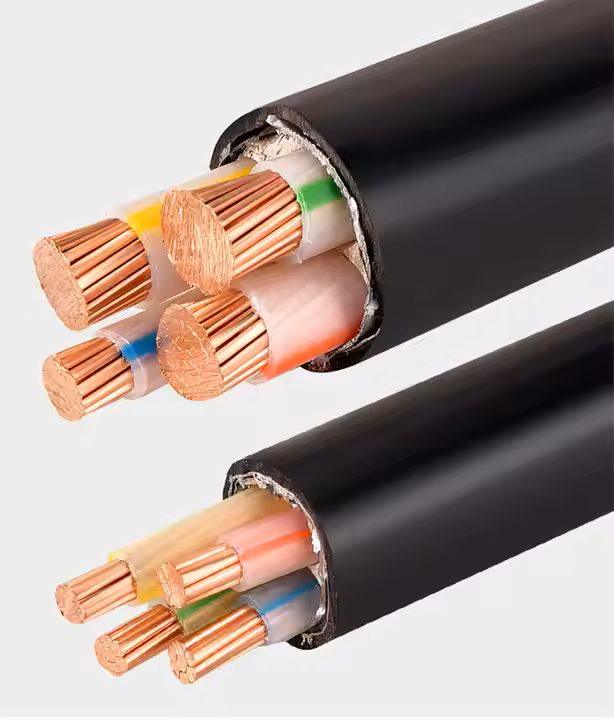
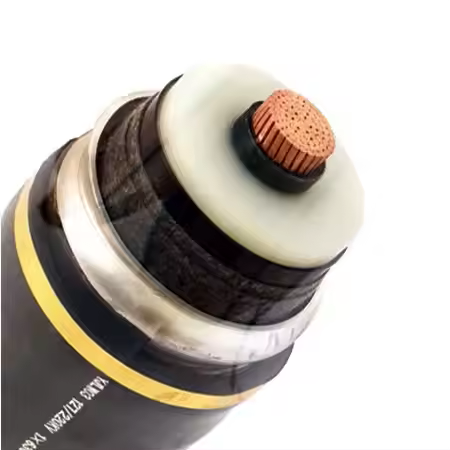
PVC insulated cable vs XLPE cable should be discussed with clear material and construction language. Buyers often compare conductor material, insulation, sheath, armor, voltage class, flame behavior, test records and packing requirements before choosing a supplier.
For internationally worded projects, buyers can review IEC 60502, IEC 60228, IEC 60332 with their engineering team. These references help align technical vocabulary, while the project specification and local regulation remain the final requirement.
PVC and XLPE should be compared in the same cable context. A PVC cable with one sheath and no armor is not a fair comparison against an XLPE armored cable with extra documents.
If fire behavior is important, buyers should state the required flame or fire performance clearly. The insulation name alone does not replace the project standard.
Quality Documents Buyers Should Request
JINCHUAN Cable buyers should ask for documents that can travel from quotation to receiving and maintenance. The exact package depends on the project, but common records include datasheets, routine test reports, packing lists, drum marks, certificate references and shipment photos.
- Cable datasheet
- Insulation and sheath description
- Standard reference
- Routine test report
- Packing list
- Approval drawing if required
How to Compare Suppliers Without Looking Only at Price
A fair comparison starts with the same voltage, conductor, number of cores, cross-section, route and document scope. Only then can the buyer compare insulation choice and price.
Distributors can use this comparison to guide customers, but final selection should follow the project specification and local rules.
Cost and Delivery Risks to Clarify Early
The main risk is choosing insulation by habit. A familiar cable may not match heat, route or approval requirements for the next project.
Another risk is comparing incomplete offers. Ask each supplier to state construction and document scope before choosing.
When JINCHUAN Cable Is a Good Fit
JINCHUAN Cable is most relevant when the buyer needs export-oriented power cable or conductor supply, clear technical communication, project documents and a quotation that reflects real application conditions. The fit is stronger when the buyer can share voltage, size, quantity, standard, destination, installation method and expected delivery schedule.
For broader product context, buyers can review JINCHUAN Cable products or learn more about the company at JINCHUAN Cable about us. These internal links help connect the article with the supplier information a buyer normally checks before sending an inquiry.
RFQ Checklist for Faster Supplier Review
- Application
- Voltage
- Conductor material
- Size and cores
- PVC or XLPE requirement
- Sheath and armor
- Fire requirement
- Installation route
- Standard
- Quantity and delivery
How to Make the Decision Easier
The best way to compare PVC insulated cable vs XLPE cable is to start from the project route and performance requirement, then compare equal constructions.
When buyers give JINCHUAN Cable a complete RFQ, the insulation choice becomes a technical decision rather than a guess.
FAQ
What is the difference between PVC insulated cable and XLPE cable?
PVC and XLPE are different insulation materials with different performance ranges, application fit and project requirements.
Is XLPE always better than PVC?
No. XLPE may suit higher-performance needs, while PVC may fit general applications when the specification allows it.
Can JINCHUAN Cable review both options?
JINCHUAN Cable can review project requirements and product fit based on the supplied specification.
What should I compare first?
Compare voltage, conductor, cores, size, route, sheath, armor, standard and documents first.
Does insulation affect price?
Yes. Insulation choice, construction and testing scope can all affect price.
Which standard should buyers mention?
IEC 60502 and IEC 60228 are common references for many power cable discussions.
Does fire performance depend only on insulation?
No. Fire behavior depends on complete cable construction and the required standard.
Who searches this comparison?
Contractors, engineers, distributors and procurement teams often search it before selecting cable.
What is a common mistake?
Comparing PVC and XLPE cable offers that have different armor, sheath or document scope.
What should be in the RFQ?
Application, voltage, size, cores, insulation, sheath, armor, standard, route, quantity and delivery.